The reason ITV gave Sir Tom Jones in private is not the reason it gave the public
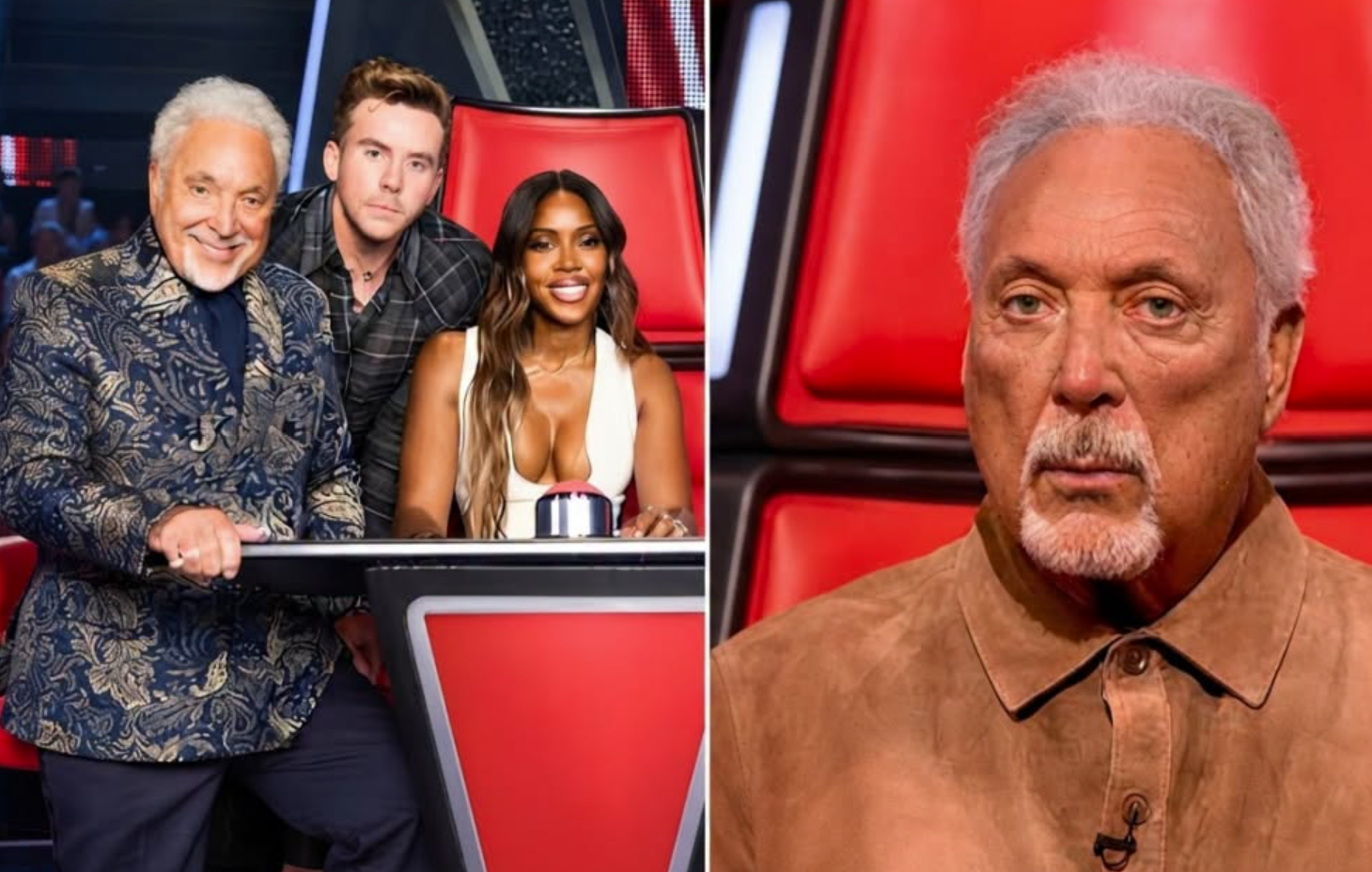
Sir Tom Jones did not slip out of The Voice UK. On 8 September 2026 he said he was fired, and he said the explanation he was given is not the explanation the public was then asked to accept. The 86-year-old from Treforest in Pontypridd posted that he did not want to leave, that he loves the show, and that he still values the audience that has watched him sit in a red chair, on and off, since the British version launched in 2012. He said ITV had made the decision “obviously a while ago” and that he was told only recently. The reason given to him, he wrote, was “a financial difficulty with insurance.” The reason then offered in the press, he said, was different: the programme wanted to “refresh” itself, and a new coaching line-up left no chair for him. He was offered something smaller, an appearance that would not involve him from the start. He was, in his own word, not thrilled. He closed with the line that travelled further than any press release: there is never a good time to fire an 86-year-old who is still pretty good at his job.
That gap between the two accounts is the story, and it has not been closed. ITV has not, in the statements carried by the BBC, Variety, The Hollywood Reporter, Radio Times and others, publicly confirmed an insurance problem, explained what kind of cover was at issue, or said what the financial difficulty actually was. What the show has confirmed is narrower and more careful. A spokesperson said the production had loved working with Sir Tom over the past nine years, that he will no longer be a full-time coach on series 15, and that talks with him and his team about some involvement in the next series are continuing. Later, as the new panel was unveiled, ITV went further in tone and called him irreplaceable, thanking him for countless moments and for the joy he brought to audiences and to singers who performed for him and with him. Warmth in a farewell is not the same thing as an answer. “Irreplaceable” and “no longer a full-time coach” can sit in the same statement. They do not explain why a man who says he was ready to keep the job was told, on his account, that insurance made the job difficult, and was then described in public as the casualty of a creative refresh.
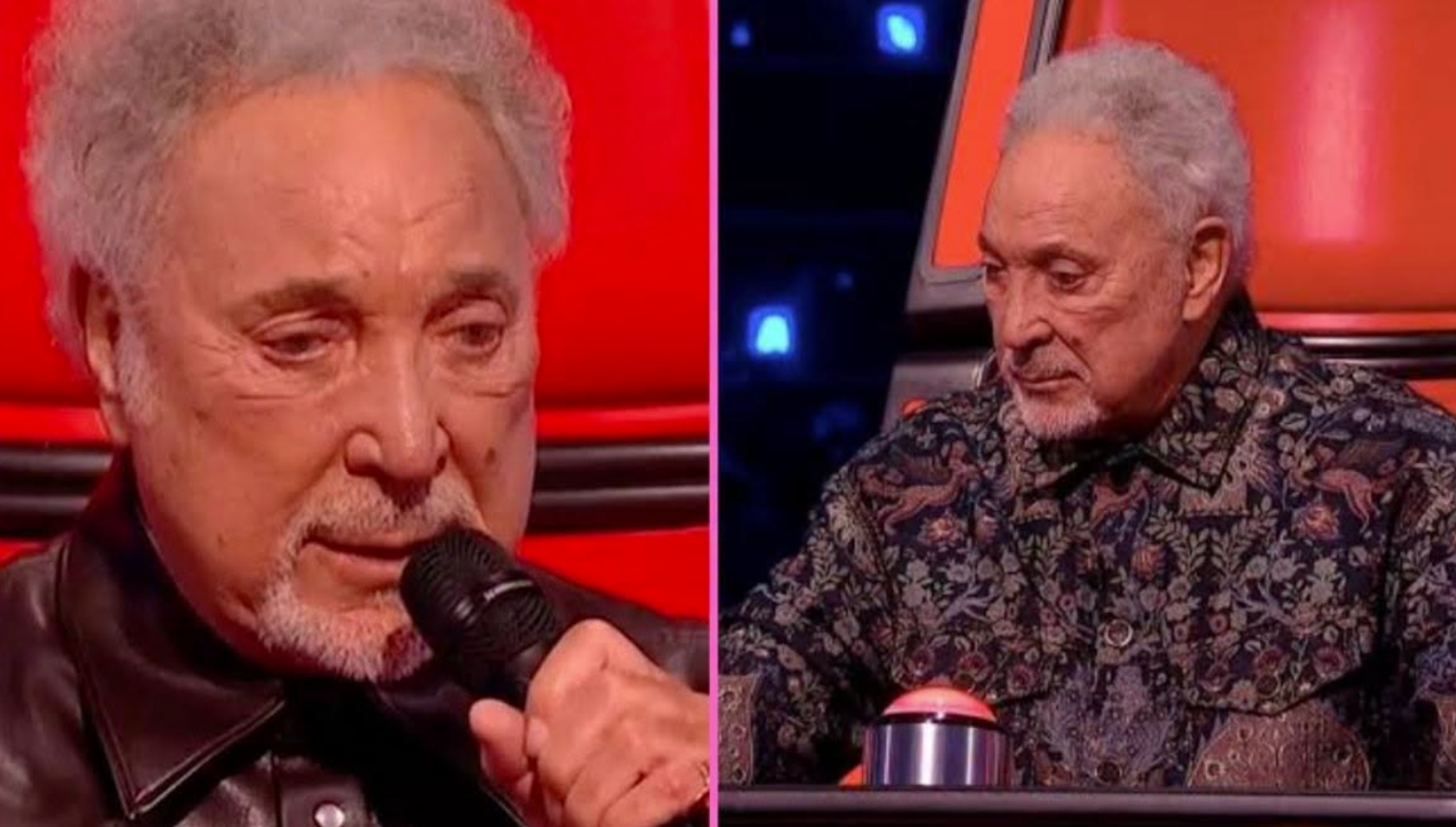
The timing made the contradiction sharper. Series 14 was already on air, having premiered on 22 August 2026, with Sir Tom still in the chair beside will.i.am, Kelly Rowland, and the McFly pairing of Tom Fletcher and Danny Jones, and with Emma Willis still presenting. The decision being discussed was not about the series viewers were watching. It was about the 2027 run, series 15, which reports through mid-September described as close to production or already moving in Manchester. The Sun had reported, just before his statement, that he was being stood down as a full-time coach, that bosses wanted a shake-up, and that there were hopes of using him later in a different capacity. A show source told reporters that ITV loved working with him and was hopeful he would return. Then he spoke, and “hopeful” became harder to square with “fired.” If the decision really had been taken a while ago, the public conversation in the days before 8 September was running behind the private one. He was not announcing a retirement. He was correcting a story he believed was already being written without him.
The reduced role is where the two explanations meet, and where they still fail to satisfy. A refresh can mean a new face in a famous chair. An insurance difficulty, if that is what he was told, sounds like a production cost attached to age, health cover, or the price of keeping a veteran on a long shoot. Neither version, on the public record, has been set out in detail. What is clear is the shape of the offer he says he received: not his own team, not the job from the first blind audition, but an appearance. For a coach, the point of The Voice is the turn, the pitch, the battles, the long argument with a singer who is not yet finished. A late cameo can be affectionate. It can also be a way of keeping a legend in the trailer without keeping him in the work. He declined to pretend that was the same job. That refusal is why the insurance line matters even if ITV never adopts it. It is his account of what he was told before the cleaner public word, refresh, took over. Until someone in a position to know says which account is the operating one, the audience is left with a knighted singer insisting he was removed, a broadcaster insisting the door is not fully shut, and a red chair that, for series 15, will not be his.