This is the second time television tried to move Tom Jones off The Voice, and he still sounds like a man who is not done
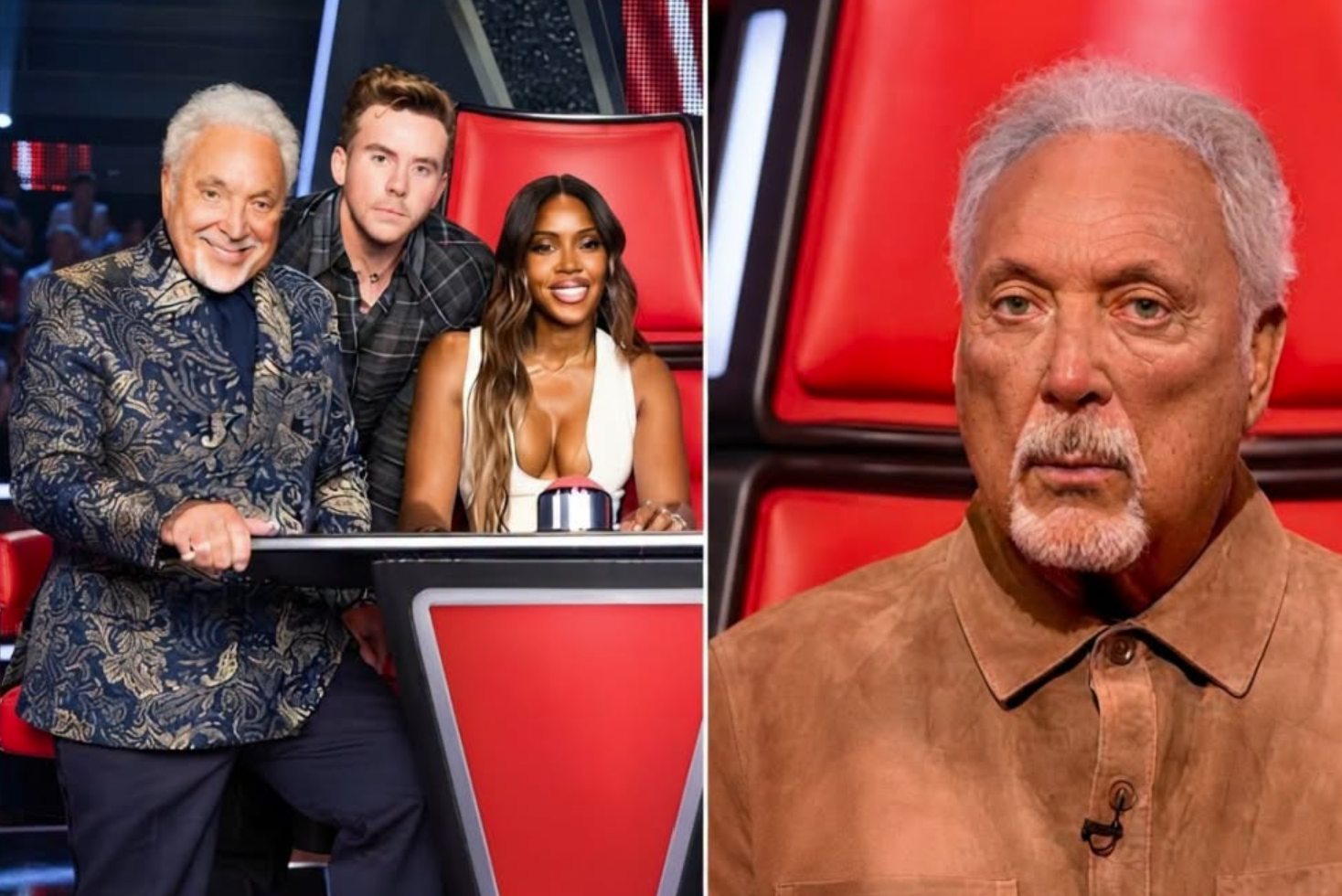
The first removal was a decade ago, and he has never described it as a mutual decision. Ahead of the fifth series, when The Voice UK was still a BBC One show, Sir Tom Jones was told he would not be back. He said he had been informed with no consultation and no conversation, about 24 hours before the press was told. At the time he was 75. He had been an original coach, beside will.i.am, Jessie J and Danny O’Donoghue, and he had already taken a winner, Leanne Mitchell, in the first series. The BBC’s line was contractual rather than personal. His deal had ended with series four, it said, no role had been promised, the line-up decision was late, and he had not been fired. He heard it as a firing dressed in cleaner clothes. He called the handling sub-standard. In his memoir he called the BBC a cold place and wondered, not entirely as a joke, whether it was run by humans or by a machine in the basement. Later he said he was still angry, that he had never got to the bottom of who made the call, and that in the factories and on the building sites he had known as a younger man you at least got a week’s notice. A Radio Times poll at the time found a large majority of respondents thought the BBC had been wrong. Paloma Faith and Boy George came in. He went out for a series. Then the format moved to ITV, and he came back.

The return is what makes 2026 feel like a second attempt rather than a first goodbye. From series six onward he was part of the ITV version, with the one earlier gap behind him, and he stayed long enough to coach two more champions, Ruti Olajugbagbe in series seven and Anthonia Edwards in series eleven. He sat with Kylie Minogue, Olly Murs, Jennifer Hudson, Meghan Trainor, Anne-Marie, LeAnn Rimes, Rita Ora, and the rest of the rotating panel that talent shows use to look new without becoming new. Nine years on ITV, the show’s own later phrasing, is not a cameo. It is a second career inside a format he already knew, on a channel that had picked the show up after the BBC years. When he said in September that he loves the programme and did not want to leave, he was not romanticising a job he had outgrown. He was describing a post he had already lost once, regained, and was now being asked to shrink. The 2015 exit could be framed, by the broadcaster, as a contract that was not renewed. The 2026 exit is harder to frame that way in his telling, because he says a decision was made a while ago, communicated late, justified to him as insurance, and justified in public as a refresh. The echo is the lateness. Both times, the complaint that stuck was not only that the chair moved. It was that he was among the last to be treated as someone who needed to be told properly.
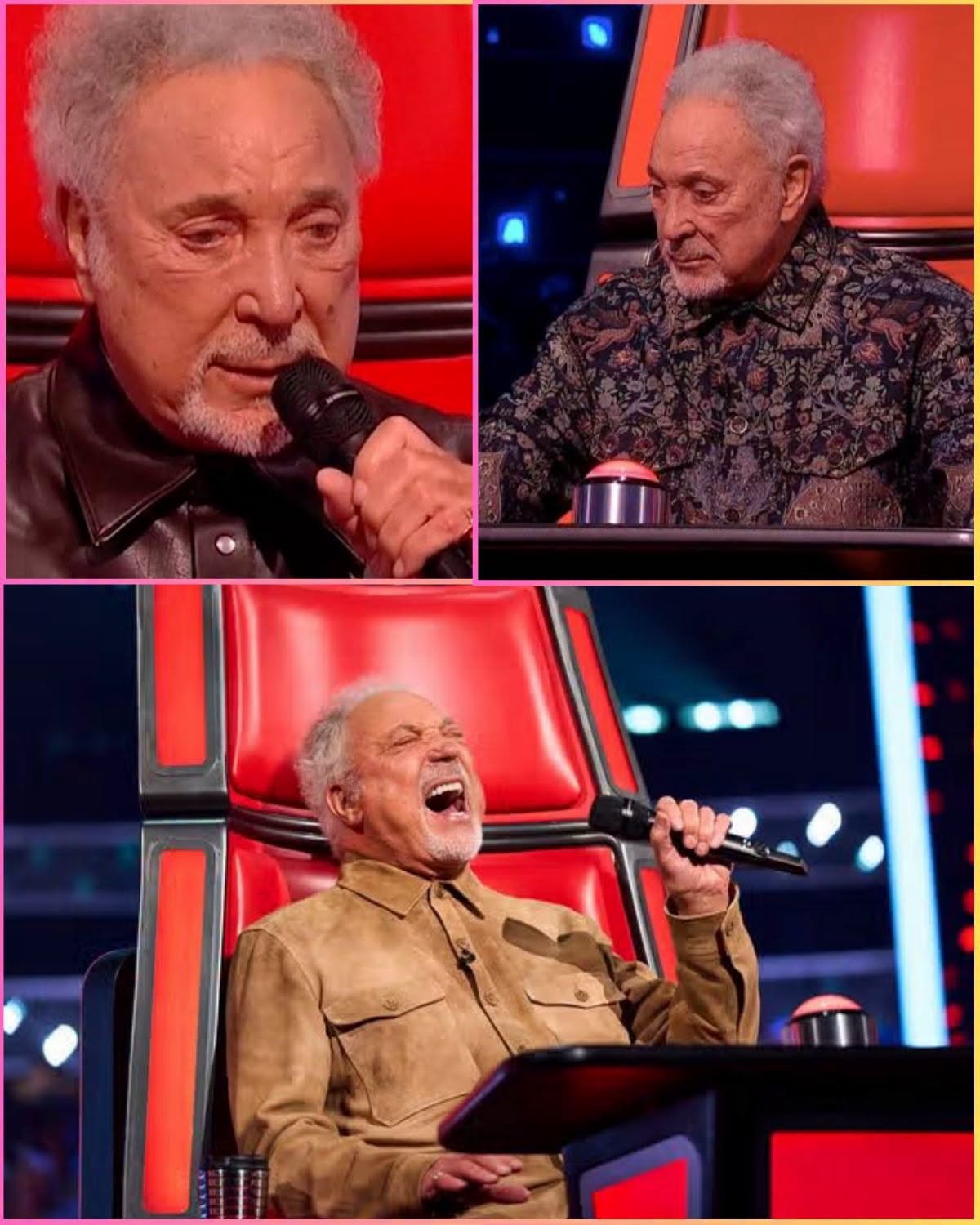
What is different this time is the sentence he chose to end on. In 2015 he was insulted by the manners of the exit and perfectly willing, in other interviews, to be blunt about a corporation that no longer wanted him. In 2026 he is insulted by the manners and also by the implication that the work is over. “Still pretty good at his job” is not nostalgia. It is a claim about the present. Series 14 was on television while he wrote it. Viewers could watch the man ITV was declining to keep as a full-time coach and decide for themselves whether the claim was vanity or simple description. Natalie Imbruglia, who had toured with him earlier in the year, said she did not understand the decision. Olly Murs, a former coach alongside him, was reported to have offered support. will.i.am did not speak like a man waving off a colleague into a happy retirement. The reduced role, an appearance without being involved from the start, is the tell. If the show believed he was done, it would not be talking about using him at all. If he believed he was done, he would not be describing that offer as something he is not thrilled by. A man who wants to stop does not argue with a smaller part. He takes the flowers.

There is a practical difference too, and it cuts against any simple story of a triumphant return. In 2016 the show could lose him for a series and then hire him again when the channel changed. In 2026 the channel is the same, the production sits inside the ITV Studios world, the next series already has its coaches, and the host is changing at the same time, with Emma Willis moving on and Alesha Dixon and Stacey Solomon lined up to present. The first removal was a bad ending that turned out to be an interval. The second is being staged as a refresh of the whole machine, not just of one chair. That is why he can sound unfinished and still have nowhere obvious to finish. Talks about involvement, the line ITV has repeated, are not the same as a chair. He has been here before. The difference is that last time the argument was about how he was told. This time the argument is also about whether 86 is being treated as a reason, and whether a singer who has already survived one removal is expected to smile through a second and call it a celebration of his past.