FROM NETFLIX TO THE FLORIDA SUPREME COURT: THE WADE WILSON CASE HAS ENTERED A NEW CHAPTER
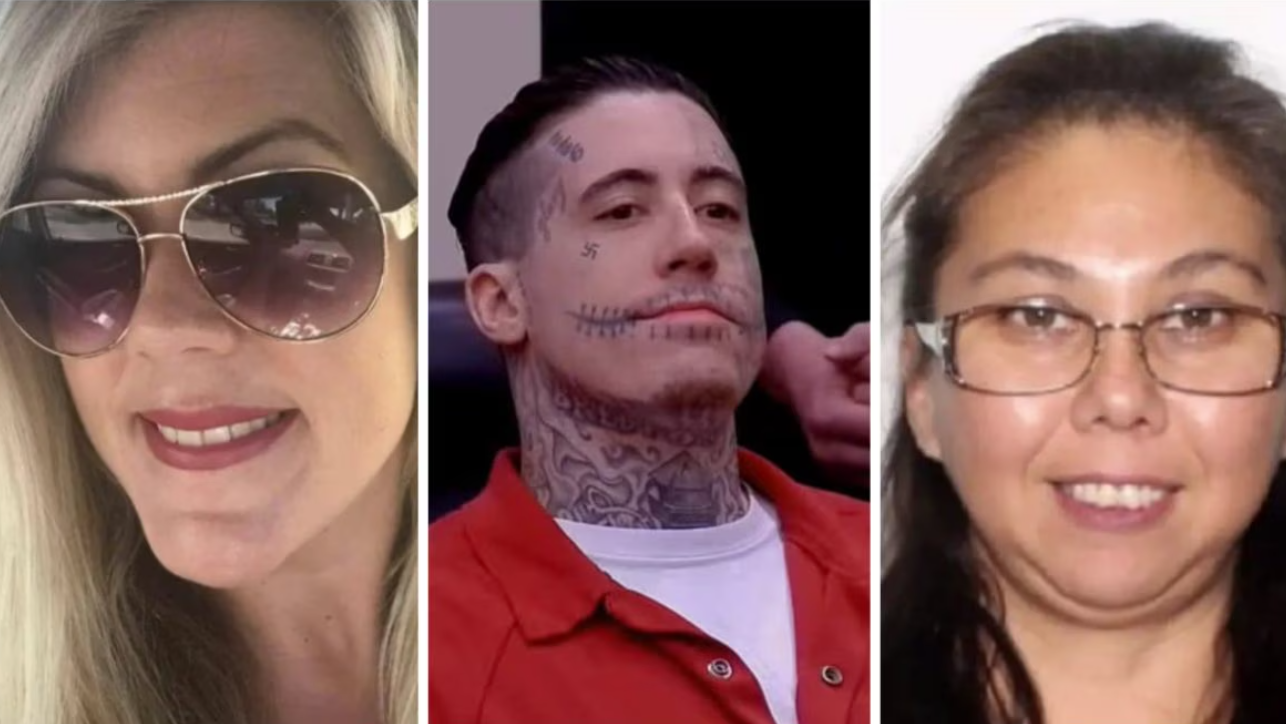
Wade Wilson’s case has evolved far beyond the 2019 murders that made him one of Florida’s most notorious convicted killers. In 2026, the story has developed along two parallel tracks: a renewed examination of the Palm Beach County investigation that preceded the murders and a continuing legal battle over the death sentences imposed after his conviction. Netflix’s second season of “Worst Ex Ever” brought the earlier investigation back into public view, focusing on Wilson’s former girlfriend Kelly Matthews and Detective Louis Potter. Matthews had reported Wilson in February 2019, alleging that he had beaten, kidnapped and Sєxually ᴀssaulted her. Potter investigated the allegations, interviewed both individuals and obtained Wilson’s DNA. According to a subsequent internal affairs review, however, the investigation was closed before the laboratory results were returned. The review later concluded that Potter had failed to conduct a thorough investigation and did not properly follow up when the DNA results came back. It also found that he failed to pursue a dating-violence arrest.
The Palm Beach County Sheriff’s Office disciplined Potter with a 120-hour unpaid suspension and reᴀssigned him from the special victims unit. He retired in July 2026. The controversy has intensified because of what happened eight months after the original investigation ended. On Oct. 7, 2019, Wilson killed Kristine Melton and Diane Ruiz in Lee County. Prosecutors later built a capital murder case against him, and a jury convicted him in 2024. The jury recommended death by votes of 9-3 for Melton’s murder and 10-2 for Ruiz’s murder, and the judge imposed death sentences. Wilson’s attorneys subsequently challenged the sentences. The legal issue became particularly significant because Florida’s death-penalty law had changed in 2023, allowing a jury recommendation for death without unanimity under specified circumstances. Wilson’s jury votes fell within that framework. His defense argued that the newer standard should not apply to crimes committed in 2019. In February 2026, however, his attorneys stopped pursuing one major version of that challenge after acknowledging that recent court rulings had undermined the arguments they planned to make. The Florida Supreme Court nevertheless remains an important part of the case’s appellate history, with the direct appeal addressing multiple issues concerning his death sentences.
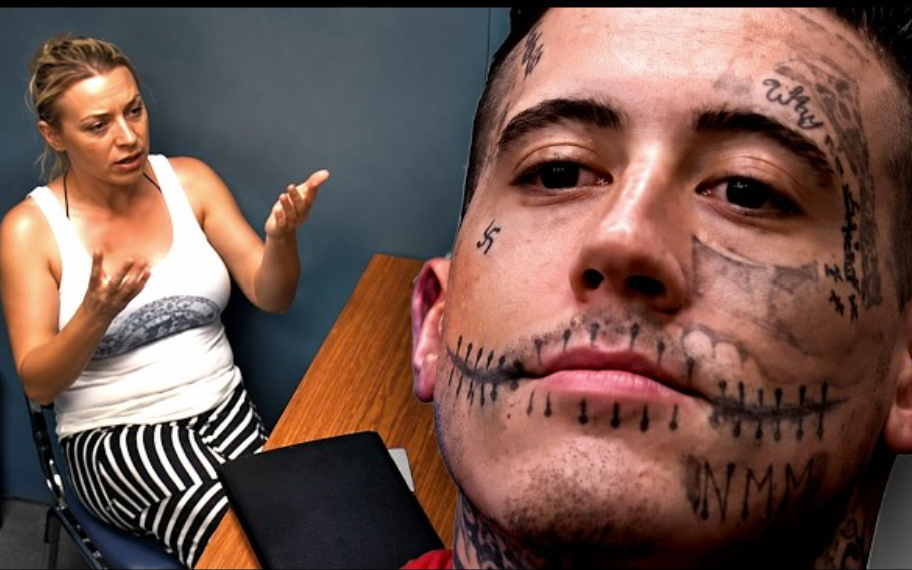
The legal proceedings and the Netflix documentary focus on different questions. The courts are concerned with whether the conviction and sentence comply with consтιтutional and statutory requirements. The documentary examines the personal relationships, investigative decisions and insтιтutional failures surrounding the case. Public interest has connected the two narratives because both concern events that occurred before and after the murders. Wilson’s defense has continued to pursue appellate options, while the earlier Palm Beach investigation has become the subject of renewed public debate. The case also illustrates how true-crime documentaries can reopen questions about investigations years after the original decisions were made. Material once contained in police reports, interview recordings and internal reviews can suddenly reach millions of viewers.
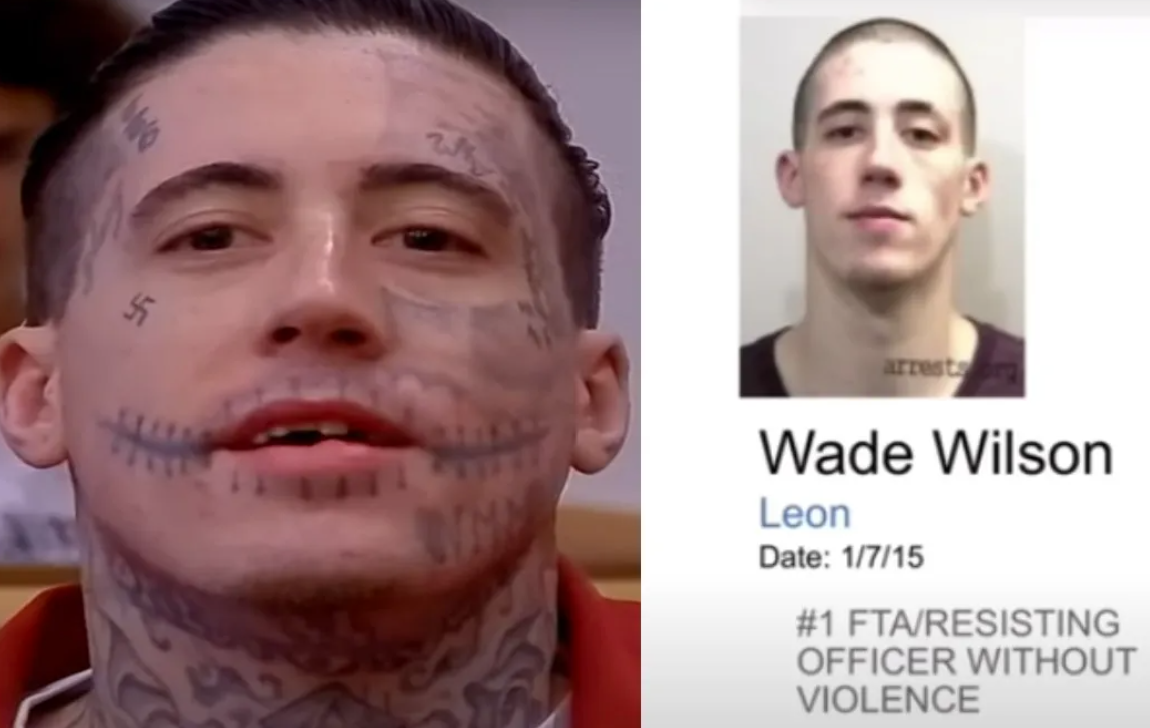
In the Wilson case, the central documented facts remain striking: an earlier investigation was opened after a former girlfriend reported serious allegations; DNA was collected; the case was closed before laboratory results were reviewed; an internal review later criticized the investigation; Wilson subsequently killed two women; he was convicted and sentenced to death; and his sentence remains subject to appellate proceedings. The unanswered questions concern how those events should be understood in relation to one another. Netflix has provided one narrative framework. The court record provides another. Internal investigative documents provide a third. Together, they form a much more complicated picture than the simplified label attached to Wilson in popular culture. As renewed attention continues, the most consequential part of the story may be less about the nickname that made the case famous and more about the insтιтutional decisions, forensic procedures and legal standards that shaped what happened before and after the murders.
Source: https://www.palmbeachpost.com/story/news/crime/2026/08/12/netflix-show-details-ᴅᴇᴀᴅpool-killer-failures-in-palm-beach-county/91147812007/