THE TWINS WHO ENTERED COURT TOGETHER ARE NOW LIVING TWO VERY DIFFERENT LIVES
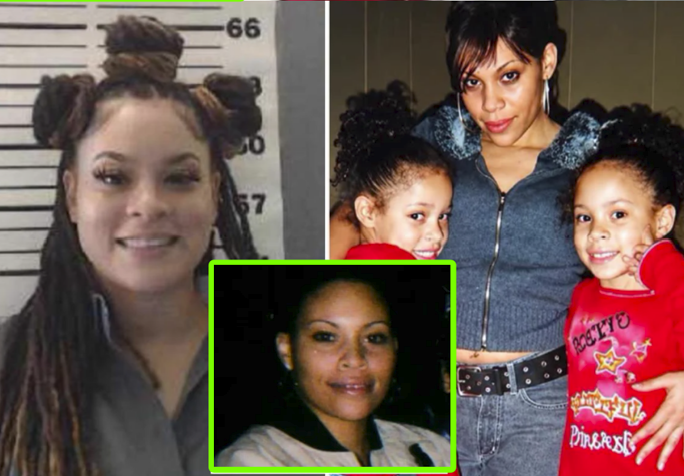
When Tasmiyah and Jasmiyah Whitehead became the focus of a homicide investigation in 2010, they were 16-year-old identical twins facing the same accusation and eventually receiving the same basic sentence. More than sixteen years later, their circumstances have sharply diverged. Tasmiyah Whitehead has been released on parole, while Jasmiyah remains incarcerated and is not currently expected to become eligible for parole consideration until 2028.
Their story began with the death of their mother, Jarmecca “Nikki” Whitehead, in Conyers, Georgia, in January 2010. At the time, the sisters were teenagers whose relationship with their mother had reportedly become increasingly difficult. ABC News’ contemporaneous coverage described them as previously successful students who had participated in activities including Girl Scouts and performing arts before family tensions escalated. The report also said the twins had temporarily lived with their great-grandmother before returning to their mother’s home shortly before the killing.
Initially, investigators were confronted with an account from the sisters that did not ultimately survive scrutiny. Authorities later arrested the twins in May 2010. The prosecution’s case developed into one of the most closely followed juvenile homicide cases in the region because of the age of the defendants and their unusual family relationship. Rather than facing a murder trial, both sisters eventually accepted plea agreements in 2014. Each pleaded guilty to voluntary manslaughter and additional charges and received a 30-year sentence.
The similarities between their legal cases ended up producing a striking contrast years later. Tasmiyah’s parole was approved and she was released August 5, 2026. State records cited by local television reporting indicate that she remains under parole supervision, with a maximum parole-related date extending to May 19, 2040. Jasmiyah, meanwhile, remains in prison and is listed as eligible for parole consideration in March 2028.

That difference has brought renewed attention to the parole system itself. Tasmiyah’s release did not occur immediately when she first became eligible. According to the Georgia parole board information reported by WSB-TV, she became eligible in 2017 but served additional years before ultimately being released. The board said it found a reasonable probability that she could remain at liberty without violating the law.
The case is also a reminder that a sentence imposed in court and the actual amount of time spent in custody are not always identical figures. Recent reports use different descriptions of Tasmiyah’s incarceration. WSB-TV reports more than 16 years in custody when jail time before trial is included, while another WSB report describes her as having spent approximately 12 years behind prison walls. These figures reflect different ways of counting the period covered by the case rather than necessarily representing contradictory official records.
For the victim’s family, the parole decision reopened memories of a tragedy that began when Nikki Whitehead was killed inside her Conyers home. Her mother, Lynda Whitehead, criticized the possibility of parole during the original proceedings, arguing that a sentence allowing eventual release did not adequately reflect the seriousness of her daughter’s death. Her reaction remains part of the public record surrounding the case.
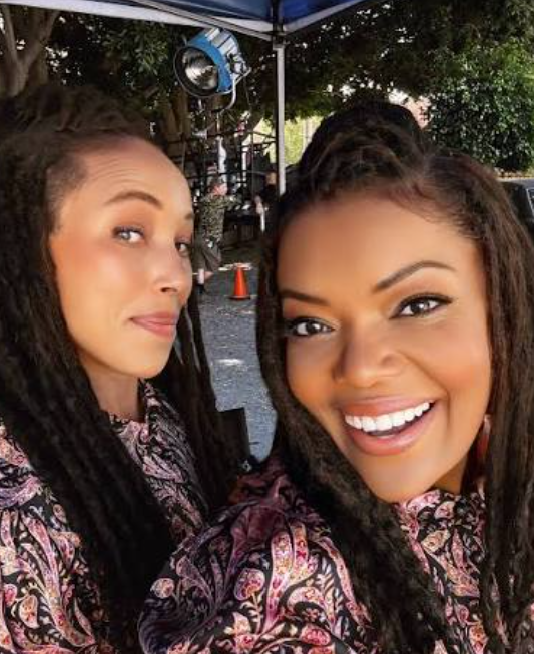
The sisters’ different positions today create a striking final image for this chapter of the story: two identical twins who once faced the same courtroom and the same sentence now have separate futures. One is navigating life under parole supervision. The other remains incarcerated and awaits another stage in the parole process. Neither outcome erases the events of 2010, but together they show how a single criminal case can continue producing different consequences for the people involved long after the original headlines have faded.