Tennessee Courthouse Shooting Case Draws Attention as Self-Defense Claim Faces Scrutiny
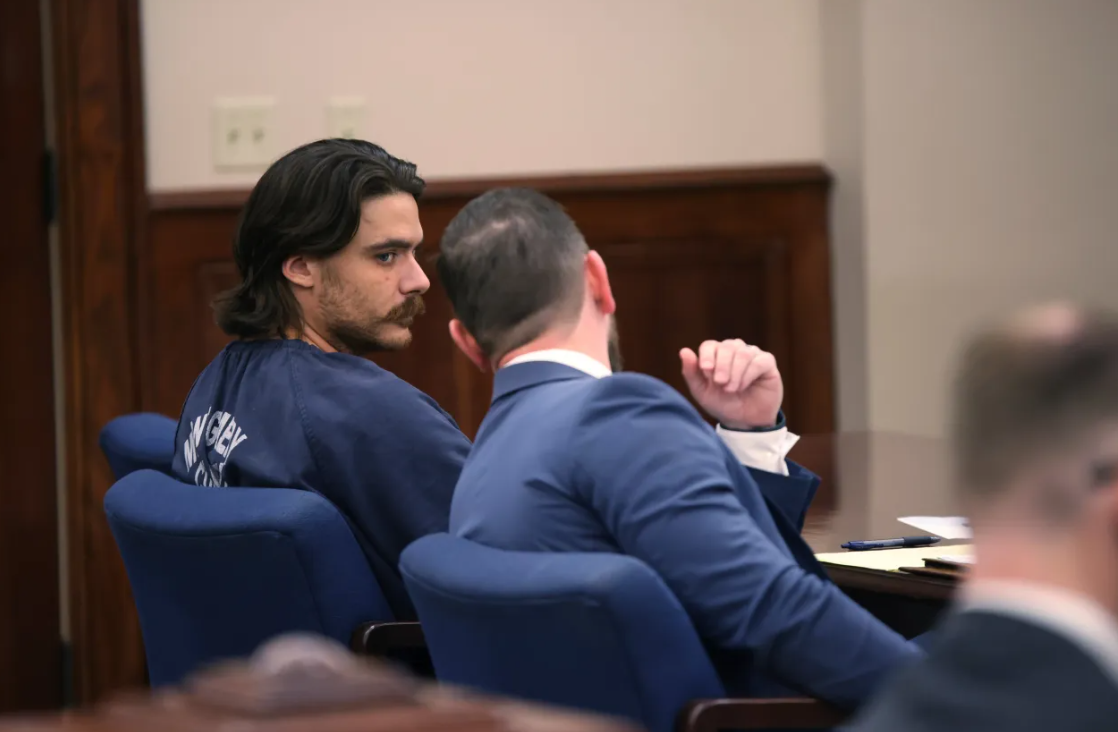
A closely watched criminal case in Tennessee continues to generate public attention as prosecutors challenge the self-defense claims made by 28-year-old livestreamer Dalton Etherly, known online as “Chud the Builder.”
The case stems from a shooting that occurred on May 13, 2026, outside the Montgomery County courthouse shortly after Etherly attended a court hearing connected to a separate incident. According to Etherly, he was confronted and physically attacked by several individuals as he exited the courthouse, leaving him with no choice but to defend himself.

Investigators, however, have presented a different interpretation of the events. Authorities say surveillance footage from the area may provide important insight into the moments leading up to the shooting. Prosecutors are expected to rely heavily on video evidence as they seek to establish the sequence of events and determine whether the use of force was legally justified.
The incident resulted in serious injuries to Joshua Fox, a military veteran who was struck by gunfire. Etherly also sustained a minor injury during the confrontation. Because the shooting occurred in a public area near the courthouse, the case has raised broader concerns about public safety and the use of firearms in crowded environments.
Legal experts note that self-defense cases often hinge on highly specific facts, including who initiated the confrontation, whether a person reasonably feared serious harm, and whether the force used was proportionate to the perceived threat. These questions are expected to become central issues as the case moves through the court system.
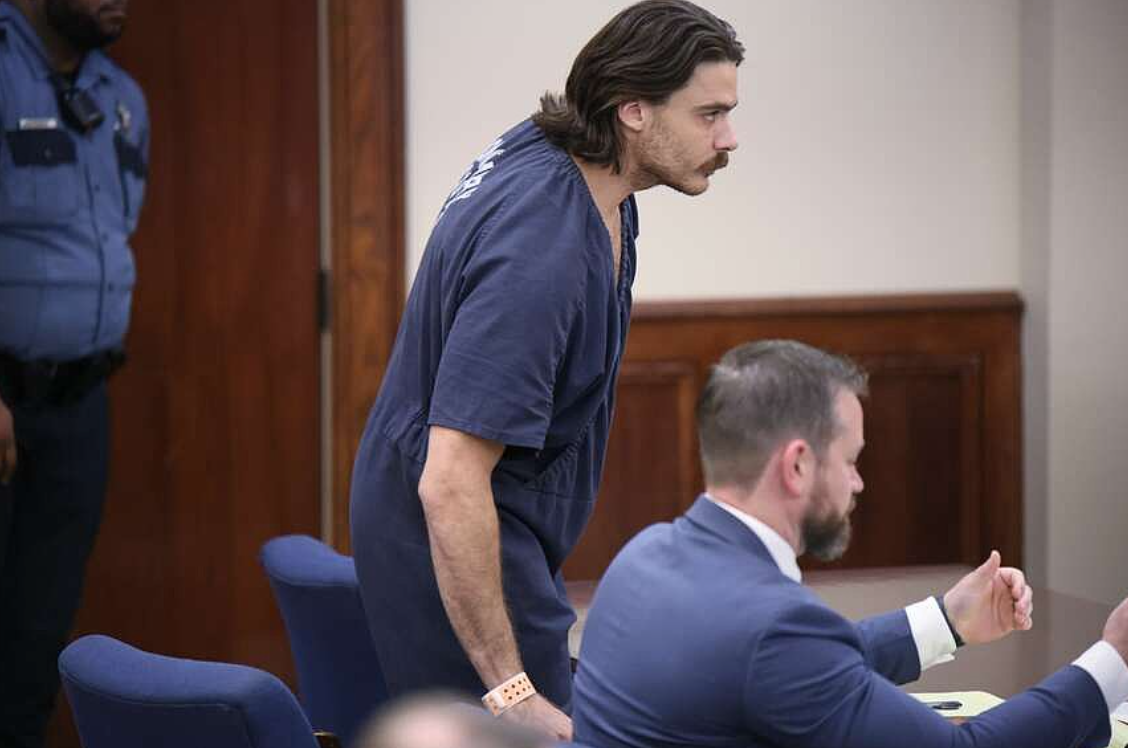
Another major focus of the prosecution’s case involves Etherly’s online presence. Over the years, he has built an audience through livestreams and public interactions that often sparked controversy. Prosecutors are reportedly seeking to introduce portions of his previous content as evidence, arguing that it may demonstrate a pattern of confrontational behavior.
Defense attorneys are expected to challenge that approach, maintaining that past online content should not be used to determine what occurred during the incident in question. They are also expected to argue that Etherly’s actions must be evaluated solely on the circumstances he faced at the time of the confrontation.
Etherly currently faces multiple felony charges, including attempted criminal homicide, aggravated ᴀssault, employing a firearm during the commission of a dangerous felony, and reckless endangerment. The charges carry potentially significant penalties if convictions are secured.

The case has sparked widespread discussion about the intersection of social media, personal accountability, and the legal system. Supporters of Etherly argue that he is being judged based on his controversial online persona, while critics contend that an individual’s publicly documented behavior can provide important context in criminal proceedings.
Legal analysts say the growing role of digital evidence in modern courtrooms may make this case particularly significant. Archived videos, livestreams, and social media posts increasingly play a role in helping juries evaluate claims, motives, and patterns of behavior.
As pretrial proceedings continue, both prosecutors and defense attorneys are preparing for what could become one of the more closely followed criminal trials in the region. The court will ultimately be tasked with determining whether Etherly’s claim of self-defense is supported by the evidence presented or whether prosecutors can prove the charges beyond a reasonable doubt.
Until then, the case remains an important example of how actions recorded online can become central pieces of evidence in real-world legal disputes, with potentially life-changing consequences for everyone involved.