LINDSAY CLANCY TRIAL UPDATE-‘13 PRESCRIBED MEDICATIONS’: TOXICOLOGY RECORDS TAKE CENTER STAGE 🚨⚖️
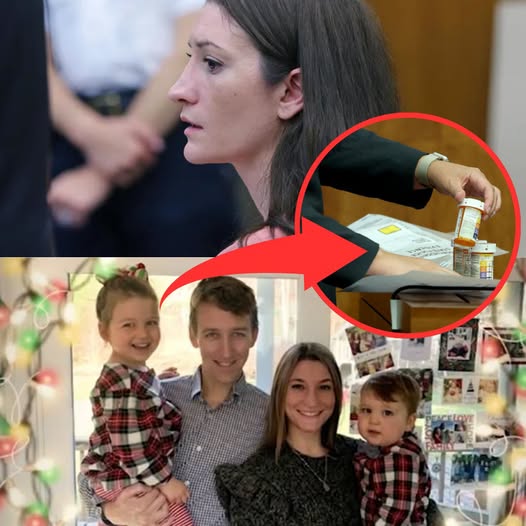
One of the most closely examined parts of the Lindsay Clancy trial was the evidence surrounding the medications she had been prescribed and the substances detected in her blood after she was admitted to the hospital. Rather than relying only on testimony about Clancy’s mental state, attorneys also pointed to laboratory testing as an objective record of what medications were present in her system.
During the trial, toxicologist Justin Brower of NMS Labs testified about several medications detected in Clancy’s blood, including antidepressants, a mood stabilizer, and quetiapine, a medication that can be prescribed for several psychiatric conditions as well as insomnia. The toxicology evidence became especially important because the defense argued that Clancy’s deteriorating mental health, postpartum psychosis and the large number of medications prescribed to her were relevant to her state of mind at the time of the tragedy.
The phrase “13 medications” has also appeared in reporting about the broader treatment history presented during the case. A civil lawsuit involving Clancy’s medical care alleges that she received more than 30 prescriptions involving 13 psychiatric medications over time. However, that allegation should be distinguished from the toxicology results themselves: the blood testing did not simply establish that every medication she had previously been prescribed was actively affecting her at the time.
That distinction became significant during testimony. Brower told jurors that some of the medications detected were below therapeutic levels, and he disputed the idea that the toxicology findings were consistent with an overdose or an attempt to harm herself through medication. In other words, the laboratory evidence provided important information about what was present in Clancy’s system, but experts and attorneys disagreed about what those findings meant for her mental state.
The defense nevertheless placed medication and psychiatric treatment at the center of its explanation for Clancy’s condition. Prosecutors, meanwhile, challenged the idea that medication alone could explain what happened, leaving jurors to weigh toxicology alongside psychiatric testimony, medical records, witness accounts and other evidence presented during the nearly six-week trial.
That debate ultimately became part of the larger question surrounding criminal responsibility. The trial ended in a mistrial on September 4 after the 12-member jury could not reach a unanimous decision. Reports indicate that 11 jurors favored finding Clancy not criminally responsible, while one juror remained opposed. Her defense has since asked the judge to enter a not-guilty finding rather than sending the case to another trial, with a hearing scheduled for September 29.
The toxicology records therefore remain an important piece of the case — but they are only one part of a much larger evidentiary picture. Did the medication history help explain Clancy’s mental state, or did the prosecution successfully show that the laboratory evidence did not support the defense’s interpretation?
Source:
The Guardian — Lindsay Clancy trial: toxicology expert testifies about drug levels