She Was 16 When Her Mother Died — Now Her Release Has Forced America to Revisit the Case of the “Twisted Twins”
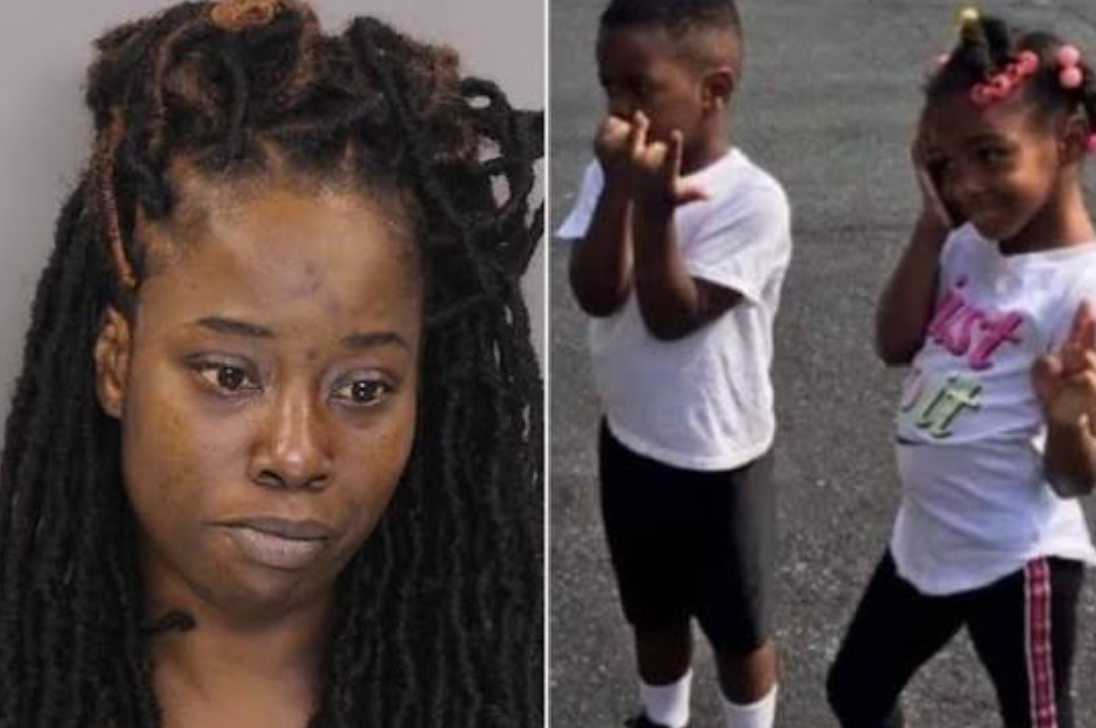
When Tasmiyah Whitehead walked out of prison on August 5, 2026, she carried with her more than 16 years of custody and the history of a crime that began when she was only 16 years old. Her release on parole has brought renewed attention to the death of her mother, Jarmecca “Nikki” Whitehead, and to the extraordinary chain of events that turned two teenage sisters into defendants in one of Georgia’s most closely followed family homicide cases. Tasmiyah and her identical twin, Jasmiyah, were teenagers living in Conyers, Georgia, when their relationship with their mother deteriorated into repeated conflict. Their family history was complicated long before the killing. The girls had previously lived with their great-grandmother, and custody arrangements changed over time. There had also been reports of physical fights involving the twins. In January 2010, the teenagers were living with their mother again after a court decision, despite objections reportedly expressed by the girls. Just eight days after their mother regained custody, the situation ended in tragedy.
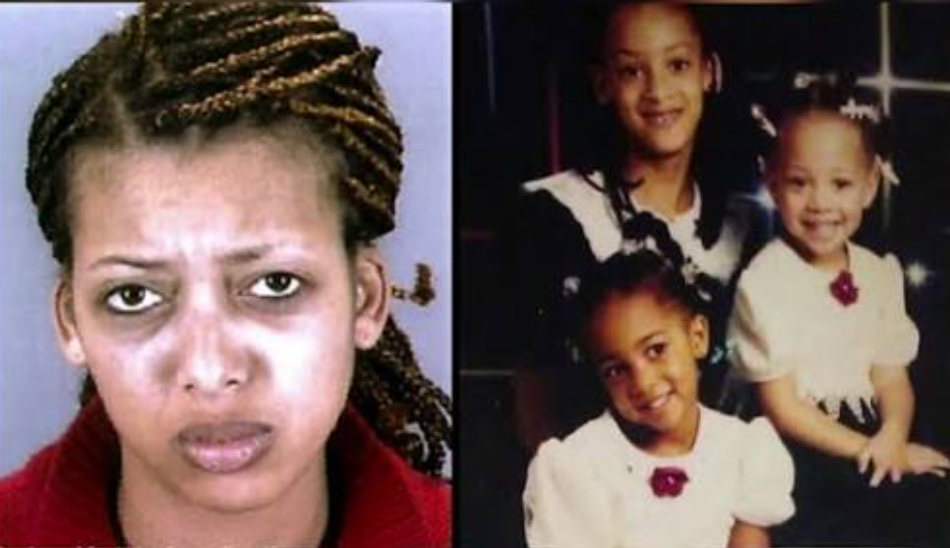
On the morning of January 13, the sisters were involved in an argument with Nikki after they woke late for school. What happened next became the central question of the investigation. The twins told authorities that their mother had threatened them with a cooking pot and that a physical confrontation followed. During the struggle, the girls said they fought back. Investigators later concluded that Nikki had been severely beaten and repeatedly stabbed. Her body was found in a bathtub, and the circumstances of the scene immediately raised serious questions. The twins initially appeared to authorities to be daughters who had returned home and discovered a horrifying scene. That version would not survive the investigation. Police eventually found evidence that contradicted the sisters’ account, including injuries they had attempted to explain away. The investigation lasted months. In May 2010, both sisters were arrested. The case then moved through a lengthy legal process before finally reaching a resolution in 2014. The legal outcome was significant because neither sister ultimately went to trial on the original murder charge. Tasmiyah pleaded guilty to voluntary manslaughter as part of a plea agreement, along with charges involving possession of a knife during a crime and making false statements. Jasmiyah accepted a similar agreement.
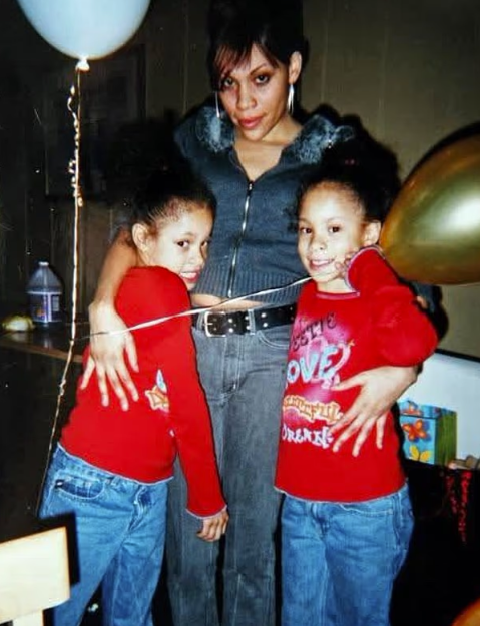
Each received a combined 30-year sentence. Their cases therefore became an unusual example of a horrifying homicide committed by minors eventually producing lengthy prison sentences through negotiated pleas rather than a murder conviction after trial. For years, the case largely faded from the national spotlight. The sisters remained separated in Georgia’s correctional system, serving their sentences while the details of the original investigation became part of true-crime history. Then came the parole decision. According to the Georgia State Board of Pardons and Paroles, Tasmiyah became eligible for parole in 2017. Yet she remained imprisoned for roughly nine years after that eligibility date. The board ultimately concluded that there was a reasonable probability she could remain at liberty without violating the law. She was released on August 5, 2026. Her freedom has created an unusual second chapter in a story many people thought had ended years ago. It has also placed renewed attention on her twin. Jasmiyah remains incarcerated and is expected to be considered for parole in 2028. That means the sisters who entered the justice system together as teenagers are now moving through two very different stages of life. One is living outside prison under parole supervision; the other remains behind bars awaiting her own future consideration. The reaction to the release has been shaped by another element that has never disappeared from the case: the family’s anger.

Lynda Whitehead, the twins’ grandmother, criticized the possibility of parole during the original proceedings and questioned whether the sentence adequately reflected what happened to her daughter. Her comments remain relevant because they highlight the fundamental tension surrounding the case. The legal system viewed the defendants as teenagers who ultimately pleaded guilty to voluntary manslaughter and served substantial time. The victim’s family experienced the death of Nikki as a permanent loss that could never be measured in years served. That tension has resurfaced now that Tasmiyah is free. The latest development does not erase the past, and it does not change the conviction. Instead, it creates a new question: what does justice look like after more than a decade of imprisonment, particularly when the people involved were teenagers when the crime occurred? The Whitehead case has always contained contradictions. Two sisters were inseparable twins, yet they were eventually separated by the prison system. They initially presented themselves as witnesses, yet investigators later identified them as participants. They faced murder charges, yet ultimately pleaded guilty to voluntary manslaughter. They received 30-year sentences, yet parole made eventual release possible. And now, more than sixteen years after Nikki Whitehead’s death, one sister is free while the other waits. Those contradictions are precisely why the case continues to draw attention. The newest chapter is not simply about a prisoner being released. It is about a family tragedy that began with teenage conflict and has continued through years of court proceedings, imprisonment, parole decisions and unanswered emotional questions. For many who remember the case, Tasmiyah’s release is not the end of the story. It is the moment when an old case suddenly becomes current again.
Source: https://www.dailymail.com/news/article-16123453/Twisted-twins-Tasmiyah-Whitehead-released-parole-mother-stabbed-sister.html