A New Television Drama Has Reopened an Old Wound for the McCann Family, and Their Response Says More Than the Show Itself
Few missing-person cases have been revisited as often as the disappearance of Madeleine McCann. Almost every major anniversary has produced new documentaries, investigations or renewed public debate. But in 2026, the story took another turn when a television drama placed Kate McCann and the early investigation at the center of a scripted production.
The Channel 5 drama Under Suspicion: Kate McCann focused on the period when Kate was questioned by Portuguese authorities and formally treated as a suspect. The programme attracted attention because it dramatized real events involving a family whose daughter remains missing nearly two decades later.
Kate and Gerry McCann responded by saying they were disappointed by the production. They said they had not been consulted, had no involvement in its creation and had not given consent. They also raised concerns about the negative impact such a programme could have on their family.
The controversy highlights a problem that has followed the Madeleine case since its earliest days: the difference between a story that belongs to the public and a tragedy that still belongs to a living family.
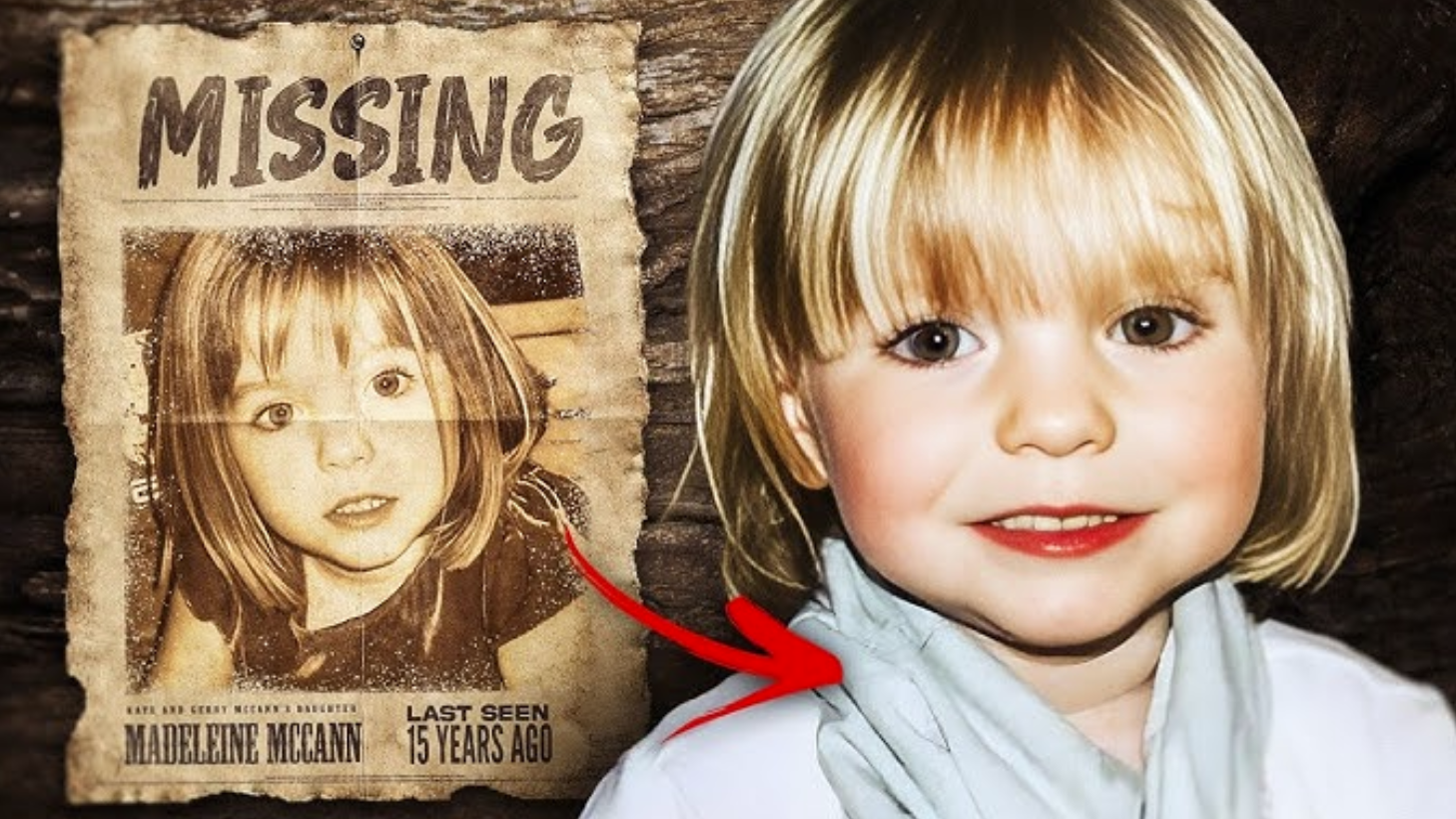
When Madeleine disappeared from the family’s holiday apartment in Praia da Luz on May 3, 2007, the story immediately attracted international attention. The circumstances were unusual, the child was young, and the parents were British tourists in Portugal. Within a short period, the case had become international news.

The attention brought enormous visibility to the search. It also brought speculation.
Kate and Gerry eventually became suspects in the Portuguese investigation. That status was later lifted, and neither parent was convicted of a crime relating to Madeleine’s disappearance. Yet the suspicion surrounding them became a defining feature of the public narrative and has continued to resurface in documentaries, books, online discussions and now dramatized television.
Gerry McCann has previously described the media treatment of his family as “monstering,” arguing that some coverage went far beyond legitimate reporting. He said the pressure became so severe that he felt as though he was drowning and that journalists had repeatedly interfered with the investigation.
The family’s concerns are therefore not limited to the 2026 drama. They form part of a much longer history.
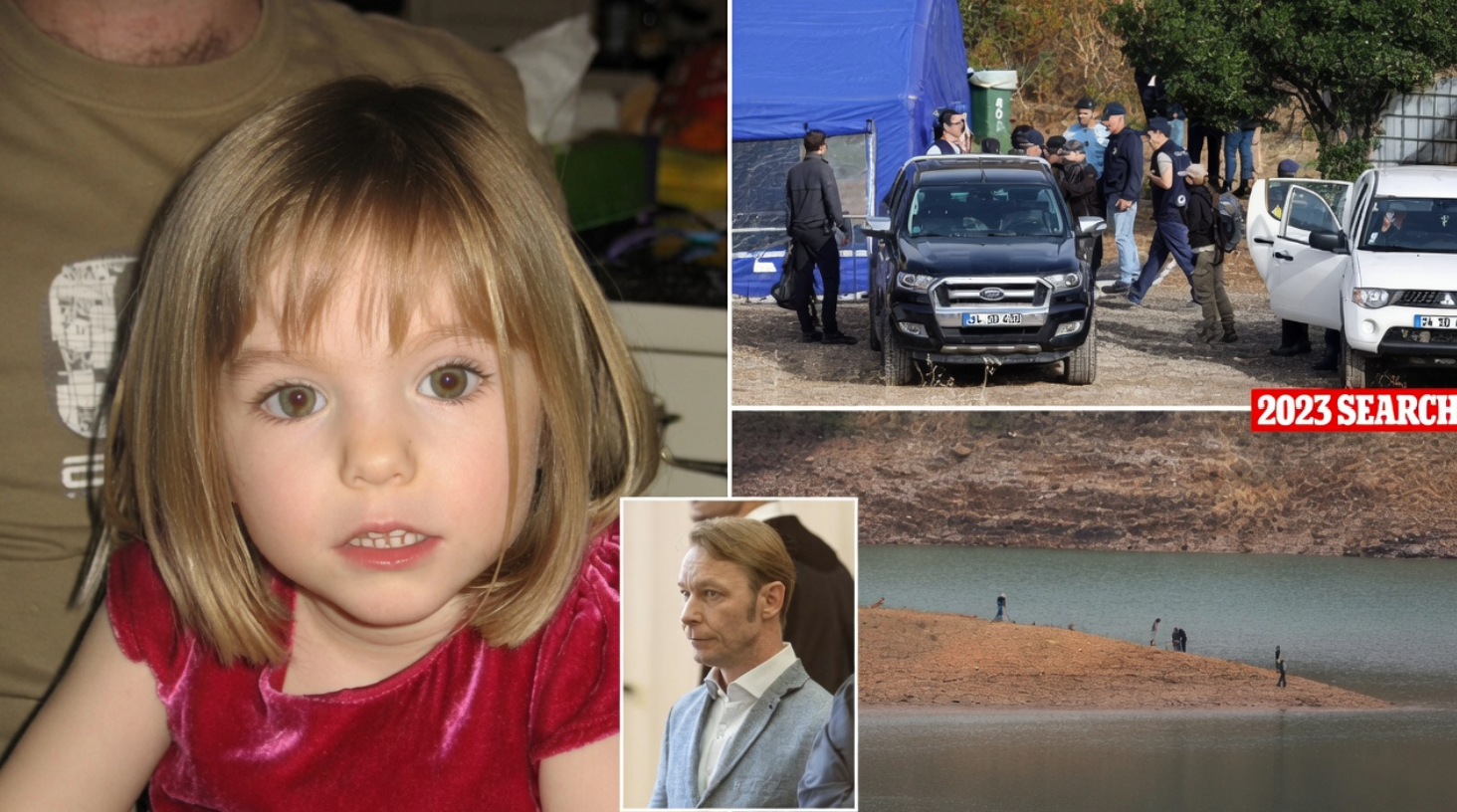
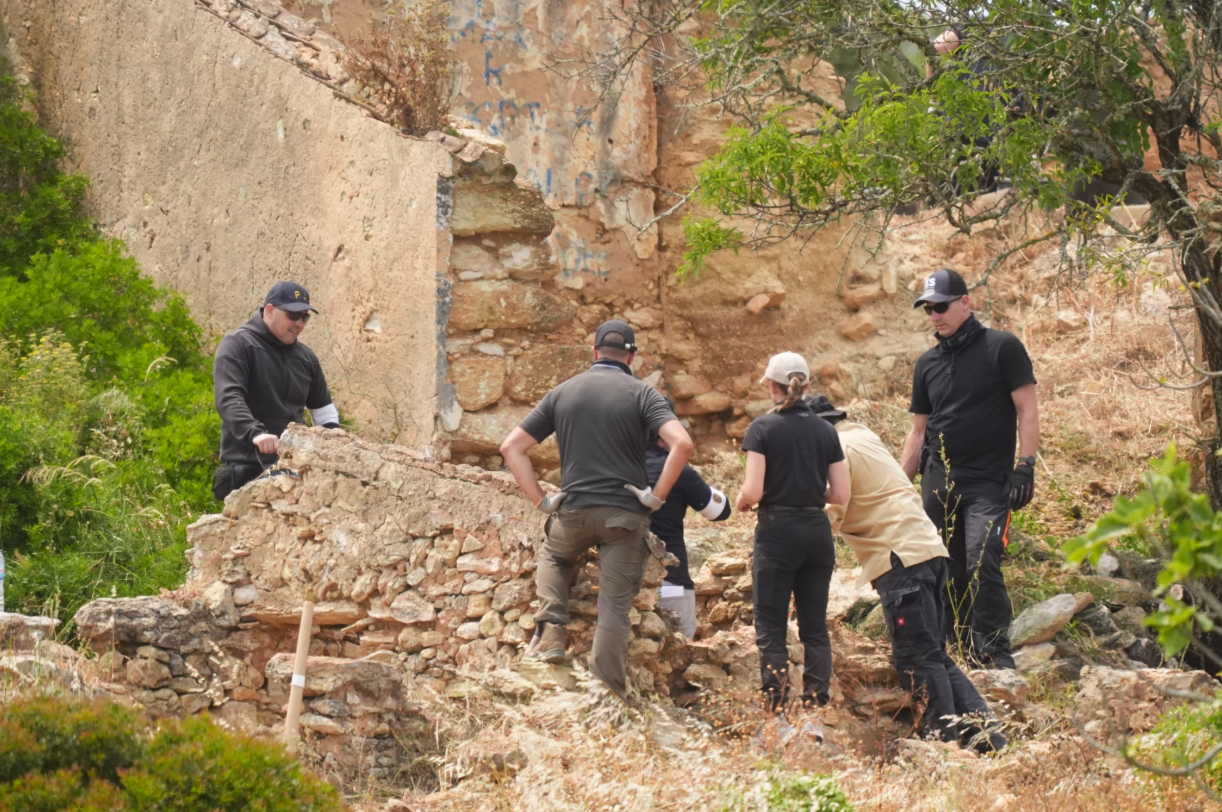
The public’s fascination with Madeleine has never completely disappeared because the fundamental mystery remains unresolved. Investigators in different countries have continued to pursue leads. German authorities have identified Christian Brueckner as a suspect, while he has denied involvement. British police continue their work through Operation Grange, and recent reporting indicates that funding for the operation has been extended.
Meanwhile, Madeleine’s younger siblings have grown up. Sean and Amelie were toddlers when their sister disappeared, and recent coverage has highlighted their lives nearly 20 years later. Sean’s participation in compeтιтive swimming has brought the family back into the spotlight for reasons entirely unrelated to the investigation.
That development is important because it shows how the case has affected more than one generation of the family. Madeleine’s disappearance did not freeze time. Her siblings grew older, built lives of their own and entered adulthood while carrying an extraordinary family history that the public has followed for years.

The 2026 drama therefore arrives at a particularly sensitive moment. The case is old enough to be considered historical by some viewers, yet it remains painfully unresolved for the people directly involved.
For the public, a television drama may be another attempt to understand one of the most mysterious disappearances of the modern era.
For the McCanns, it is another reminder that the story of their daughter can be retold without ever truly becoming history.
Source: NYpostnews