Netflix Reopens an Investigation That Many People Had Never Heard About
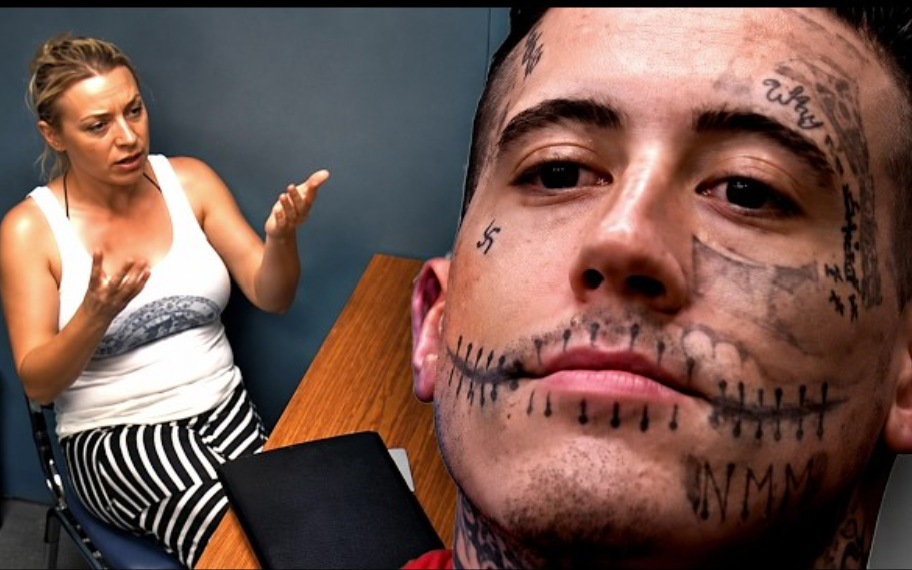
For many viewers discovering the Wade Wilson story through Netflix, the most surprising part may not be the crimes that made headlines in 2019. It may be what happened months before them. “Worst Ex Ever” Season 2 introduced a new audience to Kelly Matthews and the Palm Beach County investigation that followed her allegations against Wilson. The episode transformed an old police file into a central part of a much larger true-crime conversation.
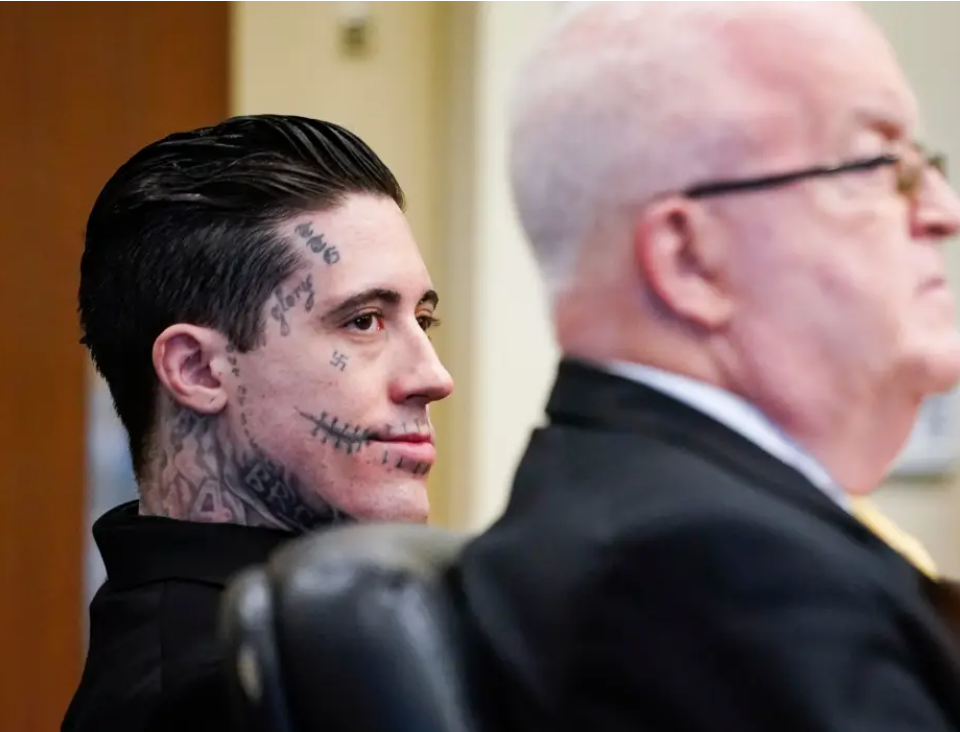
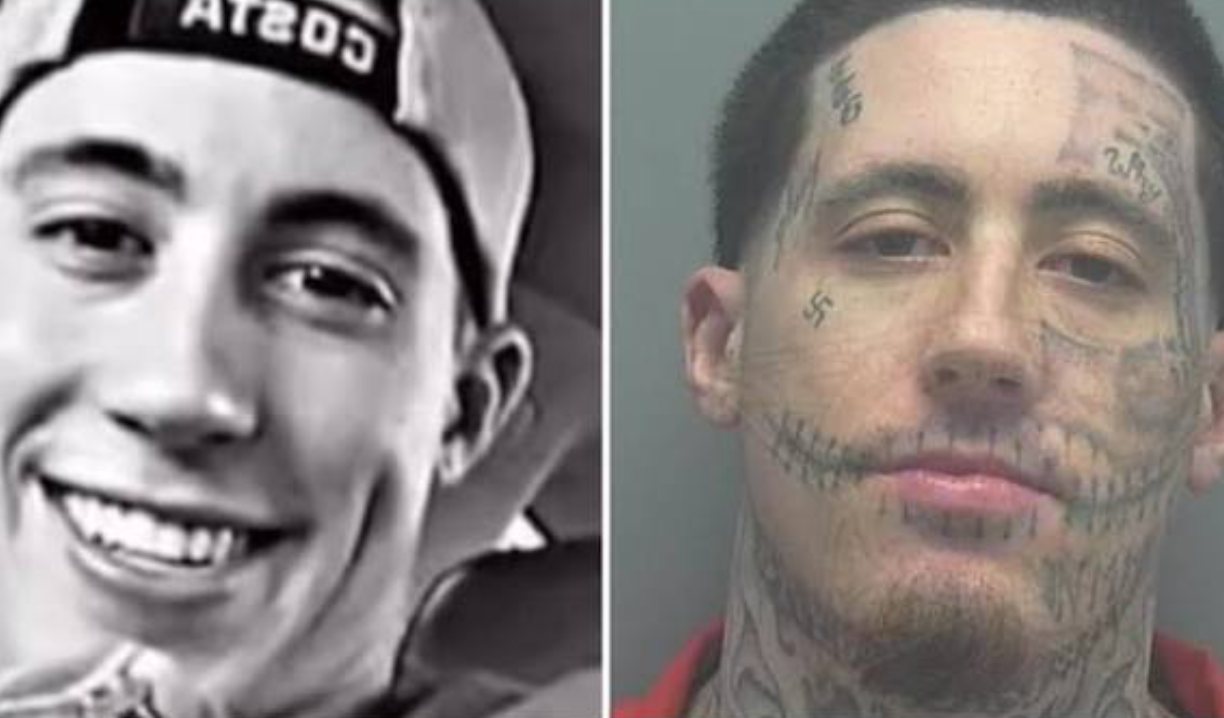
Wilson’s name became widely known after he was convicted in the murders of Kristine Melton and Diane Ruiz. He received a death sentence in 2024. But PEOPLE reported that months before those murders, Wilson had been investigated after Matthews reported a Sєxual ᴀssault. The investigation was led by Detective Louis Potter, whose handling of the case later became the subject of an internal affairs inquiry.
According to WFLX/WPTV, Matthews reported serious allegations and described physical injuries. Potter interviewed Wilson and collected DNA. Yet the case was closed 34 days later, before the DNA results had been returned. The subsequent internal review concluded that Potter failed to conduct a thorough investigation and did not follow up after the laboratory results were received. Investigators also concluded that the evidence available at the time warranted greater attention.
That finding is different from saying that investigators can now prove exactly what would have happened if the case had been handled differently. Former State Attorney Dave Aronberg emphasized the importance of avoiding hindsight when evaluating decisions made years earlier. At the same time, he said the allegations appeared credible and suggested that a case reaching the State Attorney’s Office could have received additional consideration. The distinction is important: the official record documents investigative shortcomings, but it cannot establish a counterfactual timeline in which later events definitely would or would not have occurred.
The Netflix episode has nevertheless changed the visibility of the case. People who knew only the headline surrounding Wilson’s murders are now seeing the earlier allegations, the police interview and Matthews’ account. Online discussion has shown just how strongly audiences have reacted to the documentary’s presentation of the investigation, with viewers debating the detective’s approach and questioning why the earlier case ended as it did. Those reactions are public responses to the documentary, not subsтιтutes for the official record, but they demonstrate how dramatically the series has expanded interest in the story.
The aftermath has also become part of the story. PBSO determined that Potter exercised poor discretionary judgment and failed to follow established procedures. He was disciplined and reᴀssigned, and he later retired in July 2026. The department has said the matter was reviewed and handled through its internal disciplinary process.
Ultimately, the renewed attention is about more than one detective or one investigation. It raises broader questions about how police agencies evaluate allegations, how quickly cases can move toward closure, what happens when laboratory evidence arrives after a file has already been closed, and how much the public can learn from records released years later. Netflix did not create the underlying controversy; the records and later internal investigation existed beforehand. What the documentary has done is place those pieces together in front of millions of viewers, giving an old investigation a very different level of public visibility.
Source: https://www.palmbeachpost.com/story/news/crime/2026/08/12/netflix-show-details-ᴅᴇᴀᴅpool-killer-failures-in-palm-beach-county/91147812007/