What Happened Before Wade Wilson Became the “ᴅᴇᴀᴅpool K*ller” Is Now Raising a New Set of Questions
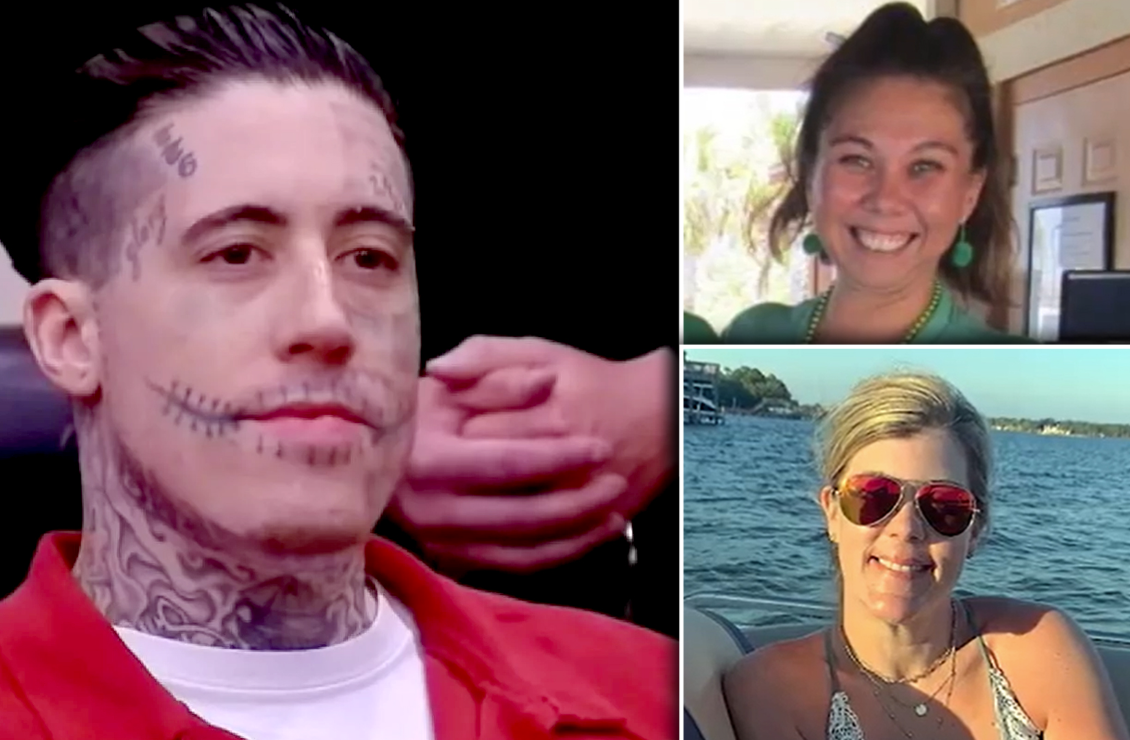
Long before Wade Wilson became known nationally for the 2019 murders of Kristine Melton and Diane Ruiz, investigators in Palm Beach County had already encountered him in a case involving serious allegations made by his then-girlfriend, Kelly Matthews. That earlier investigation has now become one of the most closely examined chapters surrounding Wilson’s story, especially after Netflix revisited it in the second season of “Worst Ex Ever.” The documentary series does more than recount Wilson’s later crimes. It places viewers inside the earlier investigation, showing interviews, police footage and the account of a woman who said she had been ᴀssaulted and had sought help from law enforcement. Netflix describes the episode as a story told through the perspective of a survivor, combined with police interviews and other recorded material.
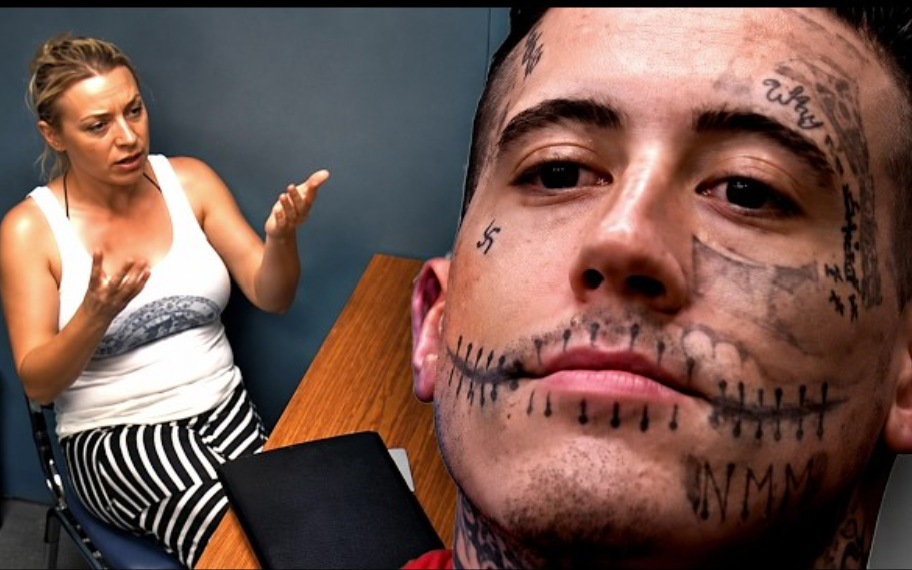
According to reporting from WFLX/WPTV, Matthews told authorities in February 2019 that Wilson had beaten, kidnapped and Sєxually ᴀssaulted her. She said she had visible injuries and sought medical attention before reporting what she said had happened. Detective Louis Potter was ᴀssigned to investigate the allegations and eventually interviewed Wilson. During that process, DNA was collected, but the investigation was closed 34 days later, before the laboratory results had been received. The later internal affairs investigation found that Potter had failed to conduct what investigators considered a thorough Sєx-crimes investigation. The report also said that when the DNA results later came back and indicated Wilson’s DNA was present, Potter did not follow up on those findings.
That sequence has become central to the renewed public discussion because of what happened months later. On Oct. 7, 2019, Wilson murdered Melton and Ruiz in Lee County. He was eventually convicted and sentenced to death in 2024. The fact that the earlier Palm Beach County investigation occurred only months before those murders has inevitably caused people to revisit the chronology, although officials and legal experts have cautioned against ᴀssuming that a different investigative decision would necessarily have prevented the later crimes. Former Palm Beach County State Attorney Dave Aronberg specifically warned against judging the earlier decisions solely through the lens of hindsight, while also saying that the allegations appeared significant enough that further review would have been warranted had the case reached his office.
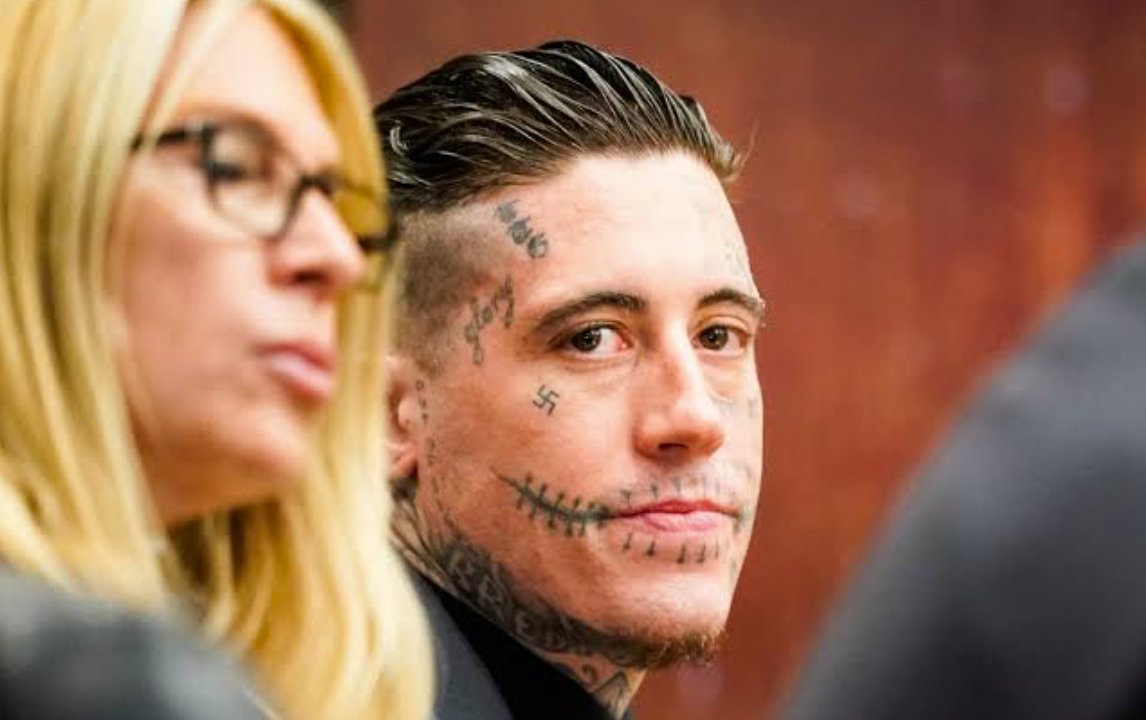
The controversy did not end with the original investigation. After Wilson’s murder conviction, Matthews filed a complaint concerning Potter’s handling of her case, triggering an internal review. According to WFLX/WPTV, investigators concluded that Potter had not followed established procedures and had exercised poor discretionary judgment. He was suspended without pay for 120 hours, reᴀssigned to administrative duties and later retired from the Palm Beach County Sheriff’s Office in July 2026. PBSO has maintained that the matter was reviewed internally and that appropriate discipline was imposed.
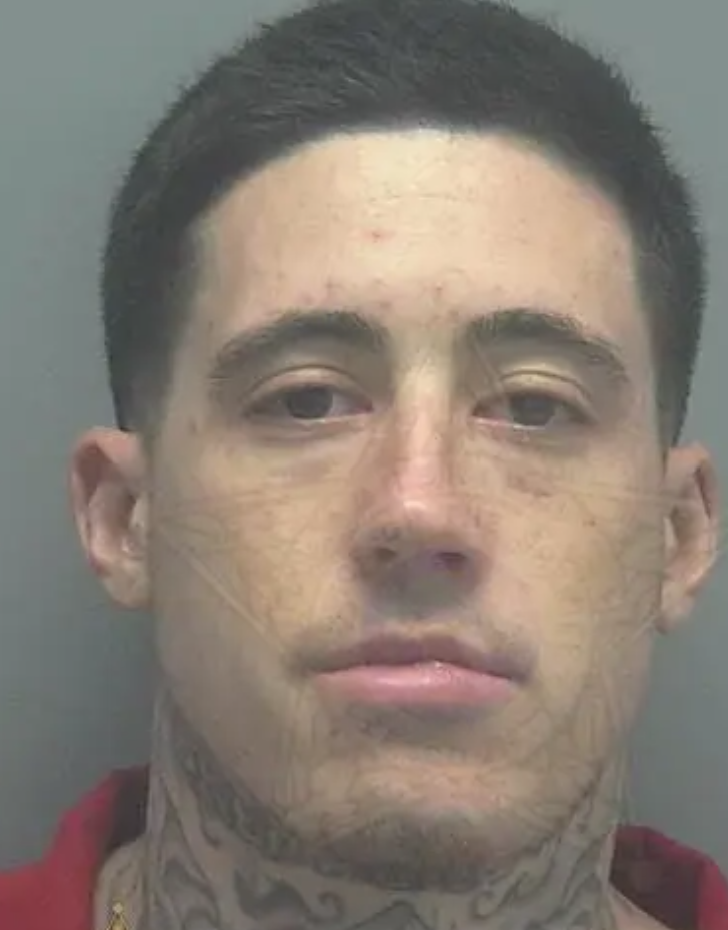
The renewed attention therefore centers on a complicated question: how much can an earlier investigation tell us about everything that came afterward? The documentary cannot change the historical record, and it cannot establish that one particular decision caused later events. What it does is bring together pieces of a timeline that many viewers had never seen before. That timeline includes a serious complaint, a police interview, evidence collection, a case closure, later laboratory findings, an internal affairs review and, months afterward, two murders that transformed Wilson’s name into one of the most notorious true-crime stories of recent years. The deeper viewers look into that chronology, the more striking the unanswered questions become.
Source: https://www.palmbeachpost.com/story/news/crime/2026/08/12/netflix-show-details-ᴅᴇᴀᴅpool-killer-failures-in-palm-beach-county/91147812007/