Two autopsies found no water in Nolan Wells’ lungs, and a grand jury still called the death consistent with drowning
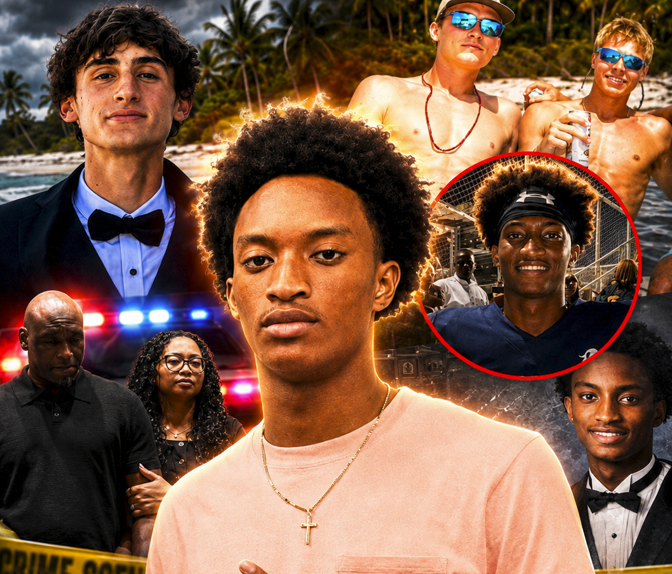
The medical record in the death of Nolan Wells is the part of the case that refuses to settle into a single sentence. The Mississippi State Medical Examiner’s Office and an independent pathologist hired by the family, Dr. Roger A. Mitchell Jr., both concluded that the cause and manner of death were undetermined. Both treated drowning as a diagnosis of exclusion, meaning a conclusion reached when other explanations have been set aside rather than a finding proved by water in the body. The New Yorker, reporting on September 26, noted that the grand jury report itself recorded that agreement. The New York Post, Mississippi Today and ClickOrlando all reported the same physical detail: no water in the lungs, the airway or the stomach. Attorney Liza Park put it bluntly at the family’s September 24 presentation. There was no water in the stomach, no water in the lungs, no water in the throat, and yet the public ruling the family was being asked to accept was accidental drowning.
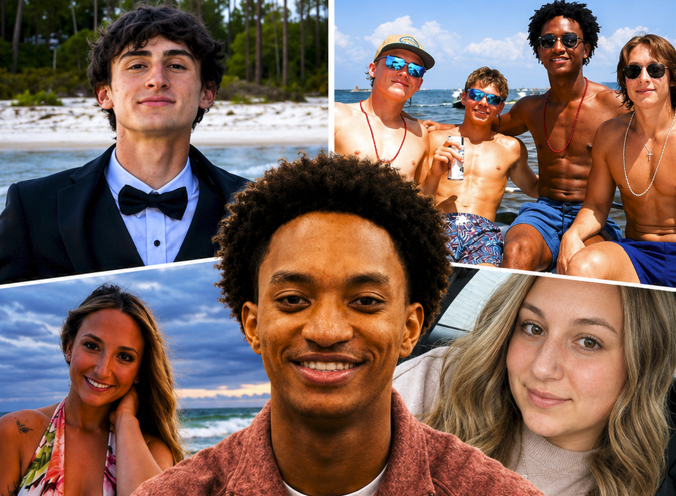
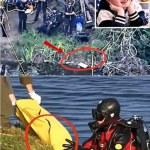
The body was found on July 6 by a park ranger, face down at the waterline on the northwest end of Horn Island, two days after Wells disappeared from a July 4 boat gathering. Decomposition and the fact that an autopsy had already been performed limited what the independent exam could still see. Mitchell found no bone fractures and no deep tissue injuries. He described red discoloration on the back of the skull and said he could not rule out a non-accidental factor, in part because the lungs and neck had already been examined and removed. The state report described two contusions on the back of the head, each roughly two inches, and the grand jury later found that the bruising was not a fatal injury. Jurors also said they could not determine how the bruise occurred. One witness testified that Wells was seen slipping awkwardly off the side of a boat around the time he was last seen, that he did not appear injured, and that he continued socializing afterward. The grand jury found no evidence of a physical altercation or argument on July 4.
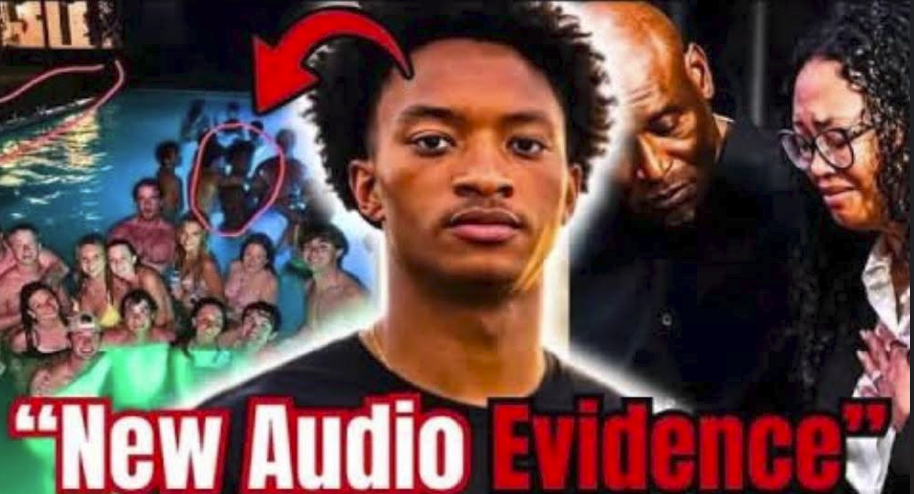
Forensic pathologist Dr. Mary Jumbelic, quoted by the New York Post, offered the explanation that keeps the drowning theory alive despite the dry airways. In what is sometimes called dry drowning, the larynx can spasm shut before water is inhaled, so a person dies of asphyxia in the water without a stomach or lungs full of fluid. She also said an undetermined ruling is what examiners reach when there are no witnesses to the fatal moment and no obvious fatal trauma. The empty stomach and the absence of debris in the airway were recorded. Toxicology, according to the grand jury report summarized by NOLA.com, found no cocaine, which knocked down one of the rumors that spread online in July. Alcohol was part of the day. The grand jury found that Wells had bought alcohol with a fake identification before the trip and that no adult on the island supplied him or his friends with drinks on July 4.
The grand jury of 23 people, including five Black members, met in mid-September, issued 132 subpoenas and heard 43 witnesses. On September 21, District Attorney Angel Myers McIlrath released the report and a video statement. Jurors found that the position, condition, time of discovery and location of the body were consistent with drowning, that there was no credible evidence of criminal conduct by anyone who traveled with Wells, and that there was no evidence the death was racially motivated. They also said a search of the island on July 5 would have found the body if it had been on the island then, which places the discovery itself inside a narrow window. McIlrath said there was absolutely no evidence to support allegations of a racial motive. The family did not accept the report as an answer. Christine Wells-Wonsley said she and her husband, Elmore, would keep fighting for justice. Crump called the no-true-bill an attempt to close the chapter without getting to the truth. The New Yorker framed the standoff cleanly: the grand jury declined to charge anyone, and it is still not clear exactly how he died. An undetermined autopsy and a drowning-consistent jury finding can both be true at once. They are not the same sentence, and the parents have refused to treat them as one.
Source: New York Post