MIDDLE EAST HEALTHCARE ON THE BRINK OF COLLAPSE AS CONFLICT ESCALATES
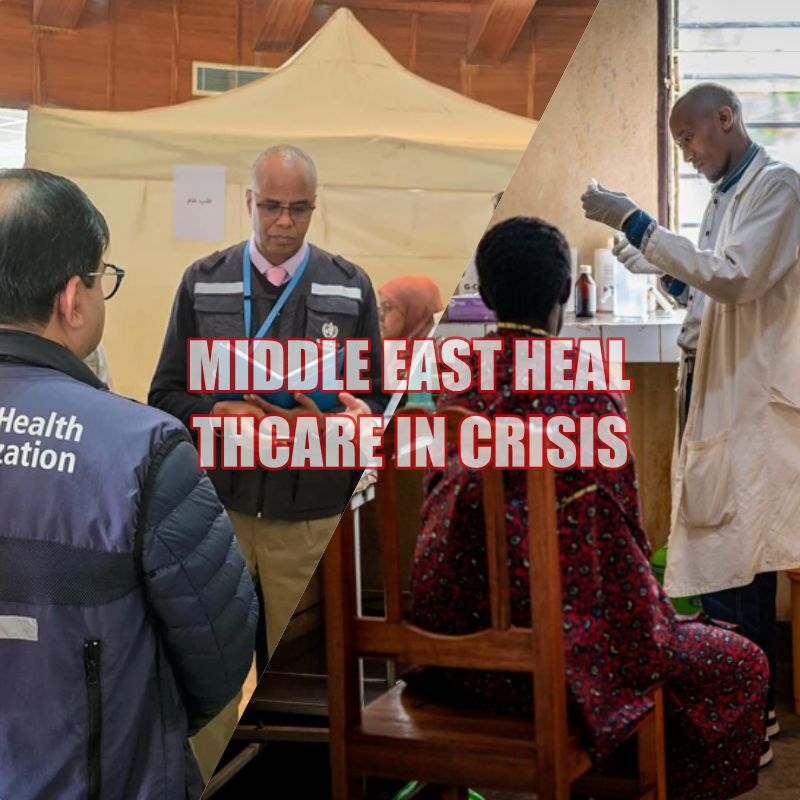
Healthcare systems across parts of the Middle East are coming under severe pressure as escalating conflict drives up casualties, forces large numbers of people from their homes and disrupts access to hospitals, medicines and emergency services.
The World Health Organization has warned that the latest escalation of violence since February has damaged health facilities, killed and injured civilians and health workers, and disrupted essential medical services across the region. Patients suffering from chronic conditions such as diabetes and kidney disease are among those facing increasing difficulties accessing treatment.
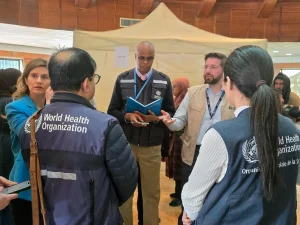
The pressure is particularly visible in Lebanon, Yemen, Iran and the occupied Palestinian territory, where health services are dealing with different combinations of fighting, displacement, shortages and damage to infrastructure.
In Lebanon, hospitals and primary healthcare centres have been forced to close in some areas following evacuation orders and continuing violence. The WHO reported in March that 49 primary healthcare centres and five hospitals had shut, reducing access to essential services while medical needs were increasing.
Lebanon’s healthcare system was already weakened by years of economic and political difficulties. The latest fighting has added another layer of pressure, with hospitals having to treat growing numbers of people injured in attacks while maintaining ordinary services for patients with cancer, heart disease, diabetes and other conditions.
In Gaza, the situation remains particularly severe. The WHO has reported that hospitals continue to operate under intense pressure amid shortages of medicines, medical equipment and fuel. Medical evacuations have also faced major disruption, making it harder for patients requiring specialised treatment to reach facilities capable of treating them.
The wider consequences go beyond treating people injured in fighting.
When hospitals lose electricity or fuel, medical equipment can stop functioning. When roads become dangerous or checkpoints restrict movement, ambulances and mobile clinics may be unable to reach patients. Disruptions to airspace and maritime routes can also delay the delivery of medicines and other humanitarian supplies.
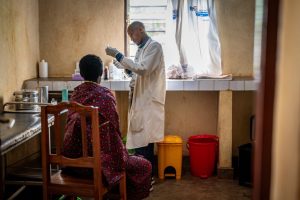
The WHO said these disruptions have affected medical supply chains beyond the immediate conflict zones, with emergency supply requests for millions of people facing delays.
Yemen is now facing another sharp deterioration.
On September 24, the WHO said a new escalation of conflict had displaced more than 122,000 people across eight governorates. Between August 6 and September 18, authorities reported 3,672 casualties, including 674 deaths and 2,998 injuries. Hospitals and trauma services have been placed under additional pressure as more wounded people arrive.
The underlying health system was already fragile. Of 5,415 health service delivery units ᴀssessed by the WHO, around 60% were fully functioning, 35% partially functioning and 4% non-functioning. Full trauma-care services were available in only about 6% of the ᴀssessed facilities.
The renewed fighting is also increasing the risk of disease outbreaks. Yemen continues to face measles, cholera, dengue, diphtheria and malnutrition, while displacement and overcrowding can make it harder to prevent infectious diseases from spreading.
Iran, meanwhile, has also seen attacks affecting healthcare facilities during the latest escalation. The WHO reported in March that it had verified 18 attacks on healthcare in Iran, resulting in deaths among health workers.
Across the region, attacks on healthcare are becoming a broader concern.
WHO data cited by Reuters showed that more than 900 attacks on healthcare had been recorded globally between January and August 2026, causing at least 900 deaths and more than 1,400 injuries. Lebanon and the occupied Palestinian territory were among the locations with the largest numbers of reported incidents, while attacks were also recorded in Iran and other conflict zones.
The consequences can continue long after a hospital is damaged.
A destroyed operating room can mean patients must travel much farther for surgery. The loss of medical workers can leave facilities without specialists. Damage to laboratories can weaken disease surveillance, while disrupted vaccination programmes can increase the risk of preventable outbreaks.
For civilians already displaced by fighting, these problems are compounded by the loss of homes, income and transportation.
The challenge for governments and humanitarian organisations is therefore not simply to treat those injured by war. They must also keep basic healthcare functioning for millions of people who still need maternity care, vaccinations, dialysis, medication and treatment for chronic diseases.
As conflict spreads or intensifies, humanitarian agencies are warning that the region’s medical infrastructure has less capacity to absorb another major shock.
For patients, the crisis is measured not only by the number of hospitals damaged, but by whether a doctor, ambulance, medicine or functioning medical machine will still be available when they need it.
With fighting continuing in several parts of the region, the survival of healthcare systems is becoming an increasingly urgent part of the wider humanitarian crisis.