Family of Iryna Zarutska Files Wrongful-Death Lawsuit Over Fatal Charlotte Light-Rail Attack

One year after Iryna Zarutska was fatally attacked aboard a Charlotte light-rail train, her family has filed a wrongful-death lawsuit against the City of Charlotte and the private company responsible for security on the transit system, arguing that failures in security and pᴀssenger protection contributed to the tragedy.
The lawsuit was filed in Mecklenburg County Superior Court and names the City of Charlotte and Professional Police Services Inc., which provides security services for the Charlotte Area Transit System, or CATS. The 33-page complaint alleges that officials were aware of repeated criminal activity on and around the LYNX Blue Line but failed to put sufficient security measures in place. The allegations have not been established in court.
Zarutska, 23, was a Ukrainian refugee who had come to the United States after fleeing the war in Ukraine. She had been living in the Charlotte area and working at a pizzeria. On the evening of August 22, 2025, she boarded the LYNX Blue Line to travel home after finishing work.
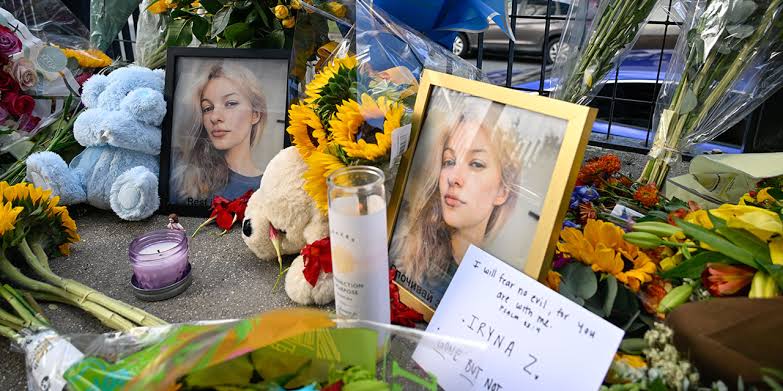
According to authorities, Decarlos Brown Jr. was already aboard the train when Zarutska took a seat in front of him. Surveillance footage later released by CATS showed Brown making movements before the attack. Shortly after Zarutska sat down, prosecutors allege that Brown pulled out a knife and attacked her from behind. She suffered fatal injuries and died on the train. Brown was subsequently arrested and charged with first-degree murder.
The civil lawsuit focuses not on Brown’s criminal responsibility, but on the actions of the city and the company contracted to provide transit security. Zarutska’s family alleges that the defendants knew the transit system presented recurring safety concerns and should have taken additional steps to protect pᴀssengers.
Among the measures identified in the lawsuit are stronger fare enforcement, additional security personnel, physical barriers and increased monitoring on trains and at stations. The complaint argues that pᴀssengers could be exposed to foreseeable risks when people were able to enter the system without paying and when security staffing did not meet the levels contemplated under the city’s contract.
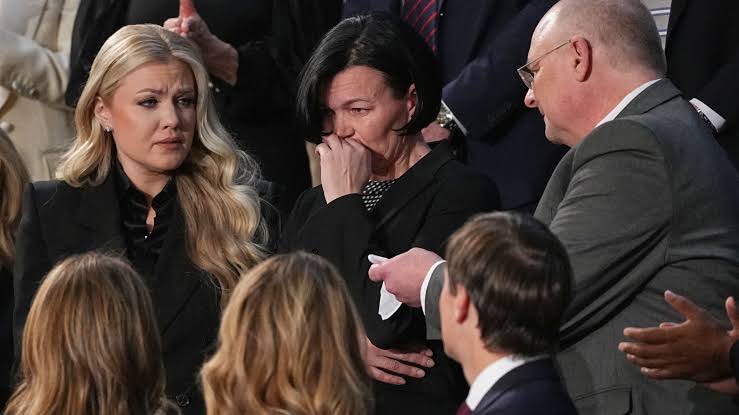
One of the lawsuit’s central allegations concerns security staffing. According to the complaint, the city’s amended contract with the security company provided funding for 219 security positions during the relevant fiscal years, while the company had hired 183 personnel at the time of Zarutska’s death. The lawsuit further alleges that only 11 armed security officers were employed even though the contract allowed for as many as 39. The family also alleges that no security guard was present inside the train car when Zarutska was attacked.
The family’s attorney has argued that stronger security measures might have prevented the attack. That ᴀssertion is part of the family’s legal case and has not been determined by a court. The lawsuit seeks monetary damages of more than $25,000 and also pursues punitive damages against the private security company. The complaint alleges wrongful death, negligence and gross negligence.
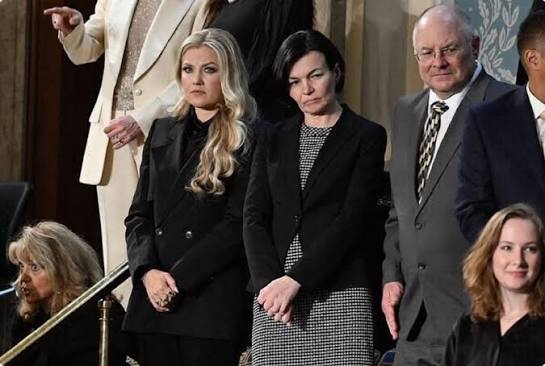
The case has also renewed attention on Brown’s history and the criminal proceedings against him. Brown was charged with first-degree murder following Zarutska’s death and later faced a separate federal case related to violence against a mᴀss transportation system. However, proceedings have been complicated by questions about his competency to stand trial. ABC7 reported that a judge ruled Brown was not competent to proceed in the state case, putting the criminal proceedings on hold.
Zarutska’s death had already prompted widespread discussion about the safety of Charlotte’s public transportation system. Her case drew particular attention because she had come to the United States seeking safety after leaving Ukraine, only to lose her life while commuting home in Charlotte.
The tragedy also became part of a larger debate in North Carolina about public safety, pretrial release policies and how the criminal justice system handles people with serious mental-health issues. Lawmakers subsequently adopted legislation known as Iryna’s Law, which changed certain rules involving violent offenses, pretrial release and mental-health evaluations. Those policy changes are separate from the family’s civil lawsuit and do not determine whether Charlotte or the security contractor bears legal responsibility for Zarutska’s death.

For Zarutska’s relatives, the lawsuit represents an effort to seek accountability beyond the criminal case. Her family has argued that the purpose of the civil action is not only to seek compensation but also to encourage changes that could make Charlotte’s transit system safer for other pᴀssengers.
The City of Charlotte and the security company are now expected to respond to the allegations through the legal process. Because the lawsuit has only recently been filed, the claims remain allegations and will have to be tested through court proceedings.
A year after the attack, Zarutska’s name remains closely connected to the continuing conversation over transit security in Charlotte. Her family’s lawsuit now places those questions before a court, where evidence about staffing, fare enforcement, security practices and the city’s responsibilities can be examined in greater detail.
The civil case will not change the loss suffered by Zarutska’s family, but it could determine whether the city or its contracted security provider bears legal responsibility for the circumstances surrounding her death. For now, that question remains unresolved as the lawsuit moves forward.
Sources: ABC7, The Guardian