Lindsay Clancy Trial Ends Without a Verdict as Jury Remains Divided
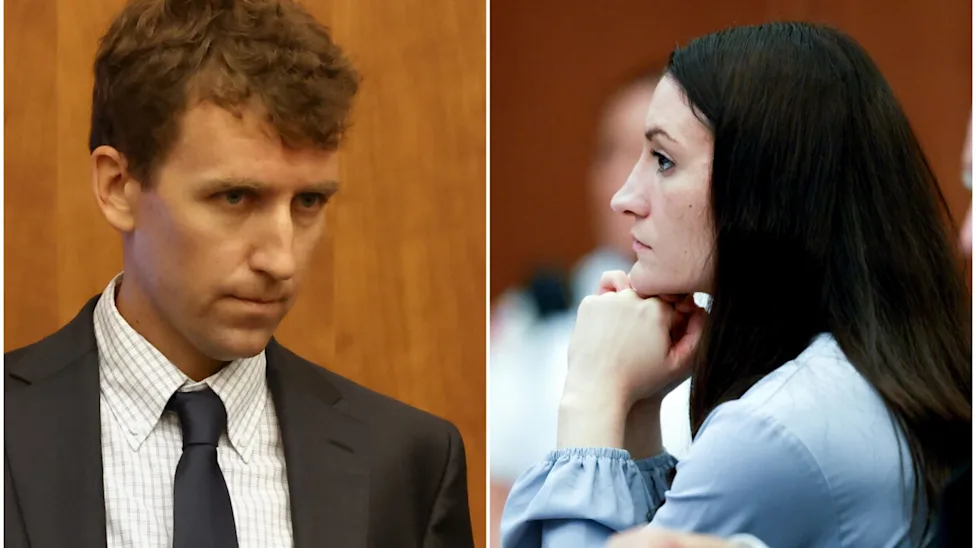
The trial of Lindsay Clancy, the Mᴀssachusetts mother accused of killing her three young children in 2023, has ended without a verdict after jurors were unable to reach a unanimous decision following more than five weeks of testimony and seven days of deliberations.
Clancy, a former labor and delivery nurse, faced three murder charges in connection with the deaths of her children, Cora, 5, Dawson, 3, and Callan, who was 8 months old. The children were found at the family’s home in Duxbury, Mᴀssachusetts, on January 24, 2023. Clancy had also attempted suicide by jumping from a second-story window and suffered severe injuries that left her paralyzed from the waist down.
The central question at trial was not whether Clancy was responsible for the acts themselves. Her defense acknowledged that she strangled the children. Instead, attorneys spent weeks presenting competing arguments over her mental state and whether she could be held criminally responsible at the time.
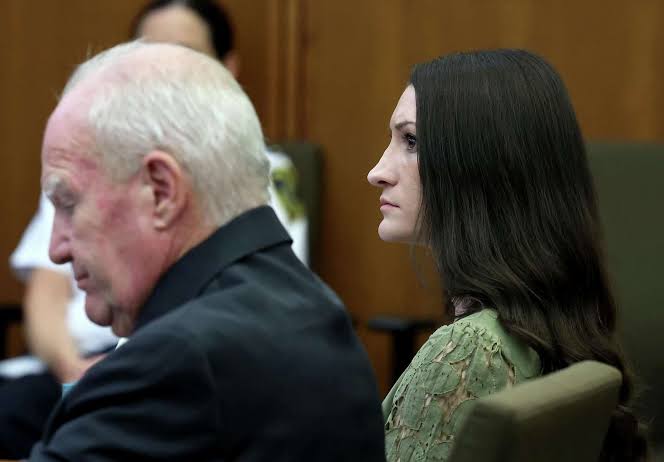
Clancy’s defense argued that she was experiencing postpartum psychosis, a rare but serious psychiatric condition that can affect a person’s perception of reality following childbirth. Her attorneys said her mental health had deteriorated in the months leading up to the January 2023 incident, pointing to problems with anxiety, sleep, medication and increasingly disturbing thoughts.
The defense presented testimony from mental-health experts who supported the argument that Clancy had been suffering from a severe psychiatric disorder. Among them was forensic psychiatrist Dr. Phillip Resnick, who testified that Clancy was experiencing psychosis when she killed her children and was unable to control her behavior. He said she had reported hearing a voice directing her to harm the children and described her condition as consistent with severe depression and other psychiatric symptoms.
Earlier testimony also focused on Clancy’s behavior and struggles during the months before the killings. Elaine Rossi, the family’s former nanny, told jurors that Clancy had discussed postpartum difficulties and problems sleeping. Rossi also described seeing prescription medications in the home and said Clancy sometimes slept in the basement. Personal journals introduced during the proceedings contained references to anxiety and feeling overwhelmed by motherhood.
The prosecution presented a very different interpretation of those same circumstances. Prosecutors argued that Clancy had deliberately planned the killings and should be held criminally responsible. Their case focused on evidence they said showed organization, preparation and an ability to carry out ordinary activities before the incident, which they argued was inconsistent with the defense’s description of her mental state.
Psychiatric testimony became one of the most closely examined parts of the trial. ABC News reported that psychiatrists who testified for the prosecution said Clancy did not display signs of psychosis in their ᴀssessments. One psychiatrist, Dr. Mark Goodheart, also testified about conversations concerning Clancy’s mental state and alleged suicidal thoughts before the killings.
The jury ultimately faced the difficult task of deciding whether Clancy met the legal standard for criminal responsibility. Mᴀssachusetts law allows a defendant to be found not guilty by reason of lack of criminal responsibility when a severe mental disorder prevents the person from understanding the wrongfulness of their actions or conforming their conduct to the law.
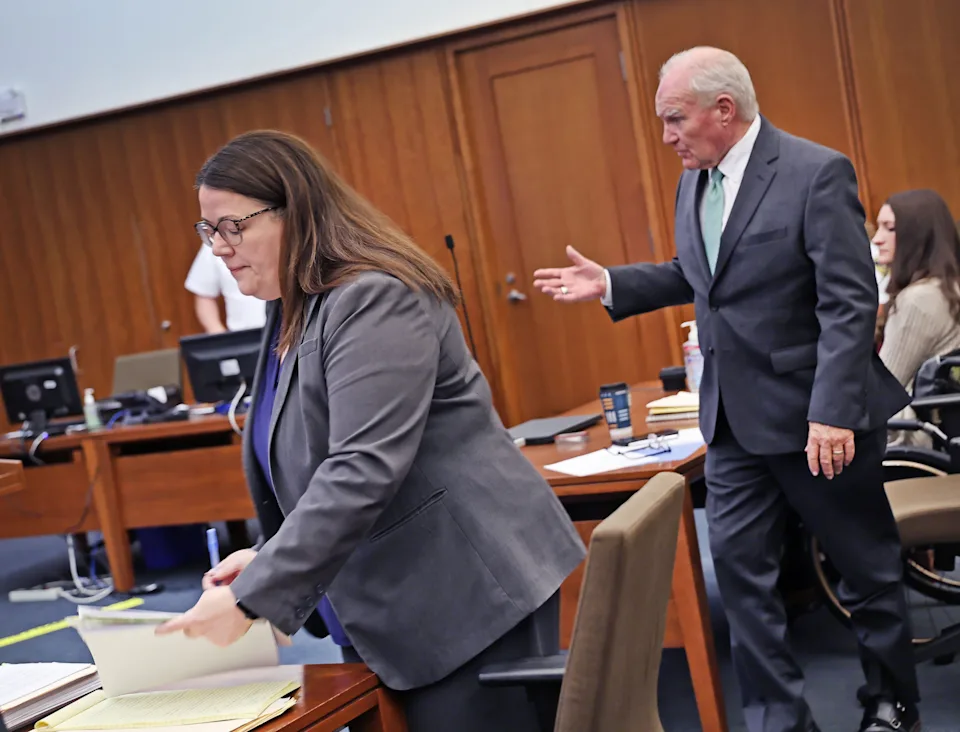
After hearing more than 21 days of testimony from doctors, relatives, first responders, police officers and other witnesses, jurors began deliberating. The process quickly became complicated. During deliberations, the jury sent questions and messages to the judge, and the foreperson eventually indicated that one juror was having difficulty following the court’s instructions concerning reasonable doubt. The judge questioned jurors individually but ultimately declined to remove the juror.
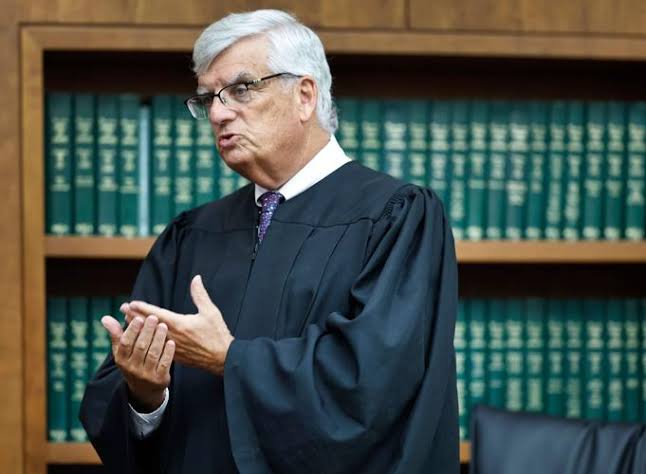
After seven days, the jury remained divided. According to subsequent reporting, 11 of the 12 jurors were prepared to find Clancy not criminally responsible, while one juror prevented the panel from reaching the unanimous decision required for a verdict. The disagreement resulted in Judge William Sullivan declaring a mistrial on September 4.
The mistrial does not resolve the criminal case. It means that the jury was unable to reach a verdict, rather than finding Clancy guilty or not guilty. Prosecutors could potentially seek a new trial, although Clancy’s defense is now asking the judge to end the case without another trial.
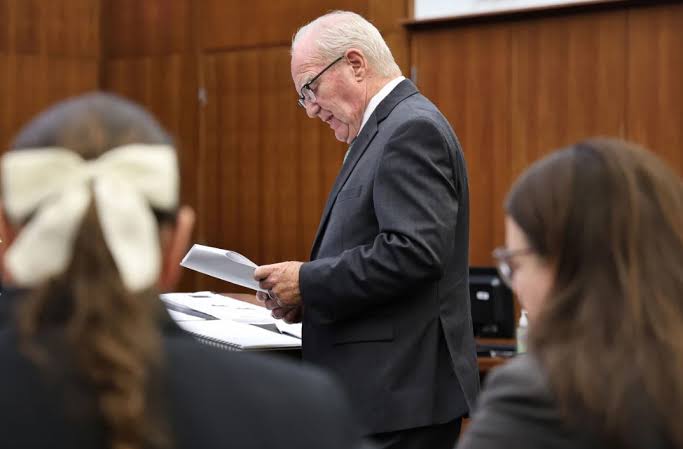
Attorney Kevin Reddington has filed a motion asking the judge to acquit Clancy on the basis that the evidence does not establish criminal responsibility. The defense argues that the jury’s deliberations showed overwhelming support for its position and that another trial should not be necessary. A hearing on the request is expected later in September.
The case has also generated renewed attention to postpartum mental health and the difficulties faced by women experiencing psychiatric problems after childbirth. During the trial, both sides presented extensive evidence about Clancy’s medical history, medications, sleep problems and interactions with healthcare providers. The case has prompted broader discussion about whether warning signs of severe postpartum mental illness can be recognized early enough to prevent tragedies.
Following the mistrial, the case remains unresolved. Clancy has not been convicted of the charges, and the legal dispute over her criminal responsibility is continuing. For the families involved, the proceedings have also brought renewed attention to the deaths of three young children whose lives ended in January 2023.
As the court considers what happens next, the key issue remains the same one that dominated the trial: whether Lindsay Clancy should be held criminally responsible for the deaths of her three children, or whether her mental state at the time prevented her from meeting the legal standard for responsibility. The mistrial means that question has yet to receive a final answer.
Sources: ABC News