🧠✨ Boy Born with Just 2% of His Brain Defies the Odds: Noah Wall’s Remarkable Journey
When Michelle and Rob Wall of Cumbria, England, learned during pregnancy that their unborn son had severe spina bifida, hydrocephalus, and extremely limited visible brain tissue, doctors delivered an extraordinarily bleak prognosis. Prenatal scans were reported to show only about 2% of the expected brain tissue. Specialists warned that Noah might not survive birth, and if he did, he might never be able to talk, see, hear, or eat independently. Termination was recommended several times, but his parents chose to continue the pregnancy and even prepared a small coffin in case their baby did not survive.
👶 Noah Wall was born on March 6, 2012, weighing 9 pounds 7 ounces. To everyone’s surprise, he cried and breathed on his own. Doctors quickly performed surgery to close the spinal defect caused by myelomeningocele, the most severe form of spina bifida, and inserted a shunt to drain excess fluid from his brain. Because of the damage to his spinal cord, Noah was paralyzed from the chest down.
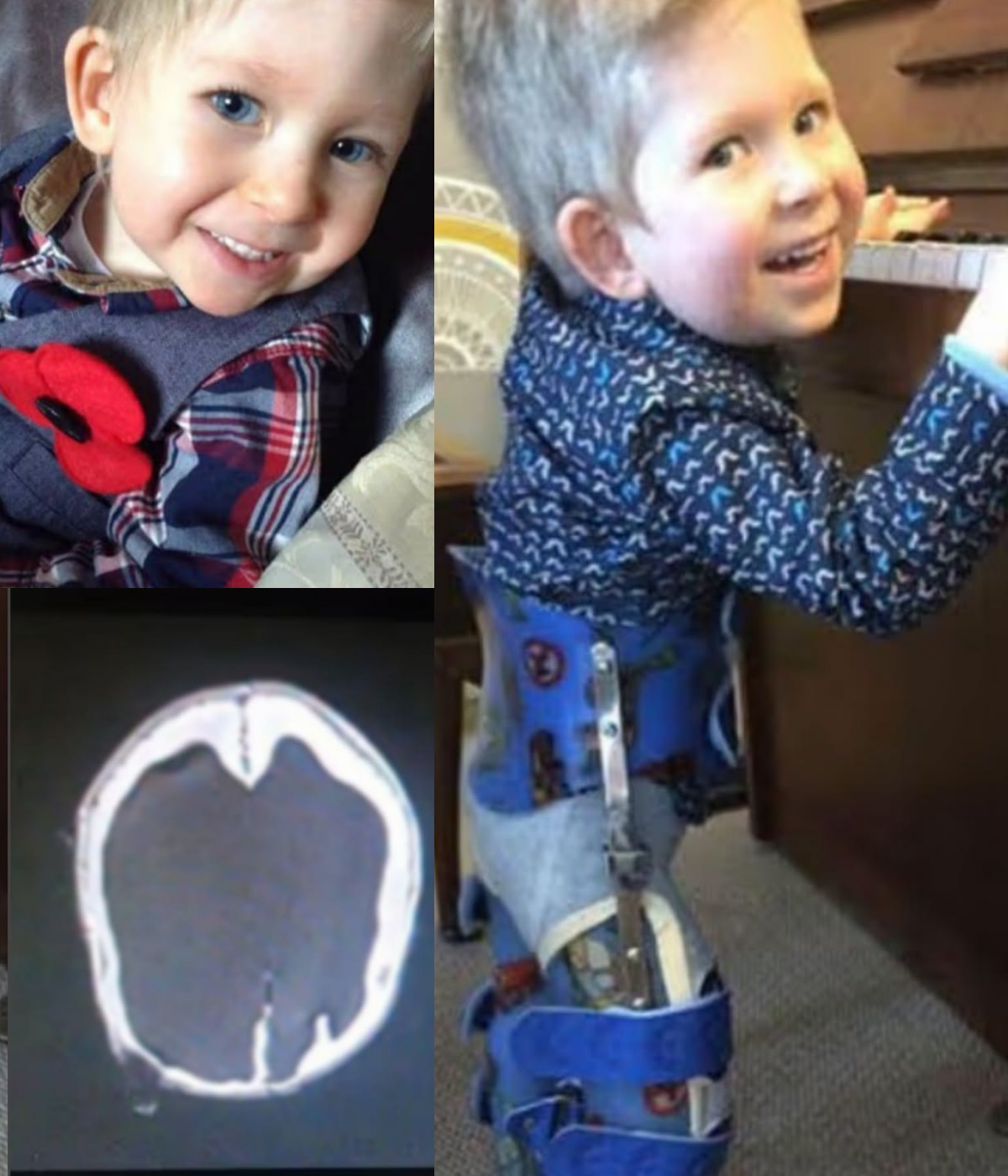
🧠 Early MRI scans appeared to confirm the seriousness of the prenatal findings. Only a thin layer of brain tissue was visible along the skull, while much of the cranial cavity was occupied by fluid. Doctors remained cautious about what the future might hold.
🌱 Then came an extraordinary development. When Noah was around three years old, a follow-up brain scan showed that his brain had grown to approximately 80% of the expected size. The finding astonished his medical team. Some specialists suggested that severe hydrocephalus may have compressed existing brain tissue into a very small space and that, after the shunt relieved the pressure, the tissue was able to expand and develop. Others emphasized the remarkable plasticity of a developing child’s brain. Whatever the precise mechanism, the changes seen on imaging were accompanied by cognitive progress that far exceeded early expectations.
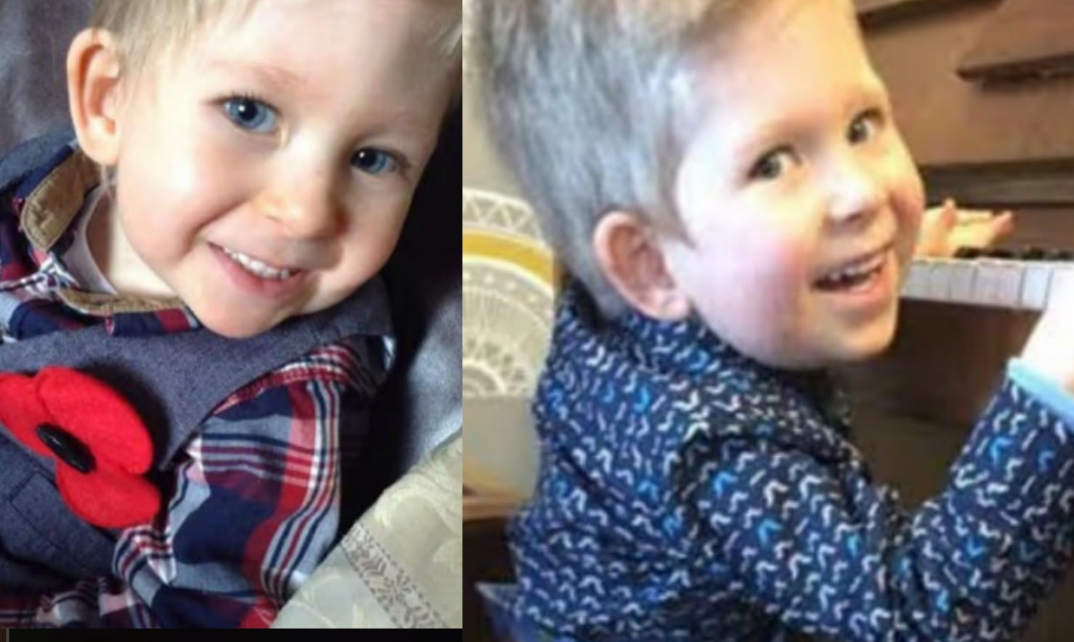
😊 As Noah grew, he learned to speak, see, hear, and eat independently. He developed a lively personality, attended school, and took part in activities including surfing and adaptive skiing. Although he remains paralyzed from the chest down and relies on braces, a standing frame, and a wheelchair for mobility, his upper-body abilities and cognitive development have continued to surprise those who once feared he might never communicate or interact with the world.
🚀 Noah’s parents describe him as determined, joyful, and full of dreams—including a desire to become an astronaut. His remarkable progress has attracted interest from medical professionals studying brain development, plasticity, and recovery following severe congenital conditions.
💙 Consultant Claire Nicholson, who has followed Noah’s case, has said that he has “greatly exceeded all our expectations.” His journey has offered doctors a powerful reminder that early predictions about neurological development do not always tell the whole story.
🌟 From a prenatal diagnosis that seemed to leave almost no hope to a childhood filled with speech, laughter, learning, and new achievements, Noah Wall’s story is a remarkable testament to resilience and the extraordinary capacity of the developing brain to adapt.