Two NHS staff investigated over possible access to William Chapman’s medical records after fatal Yorkshire tiger incident
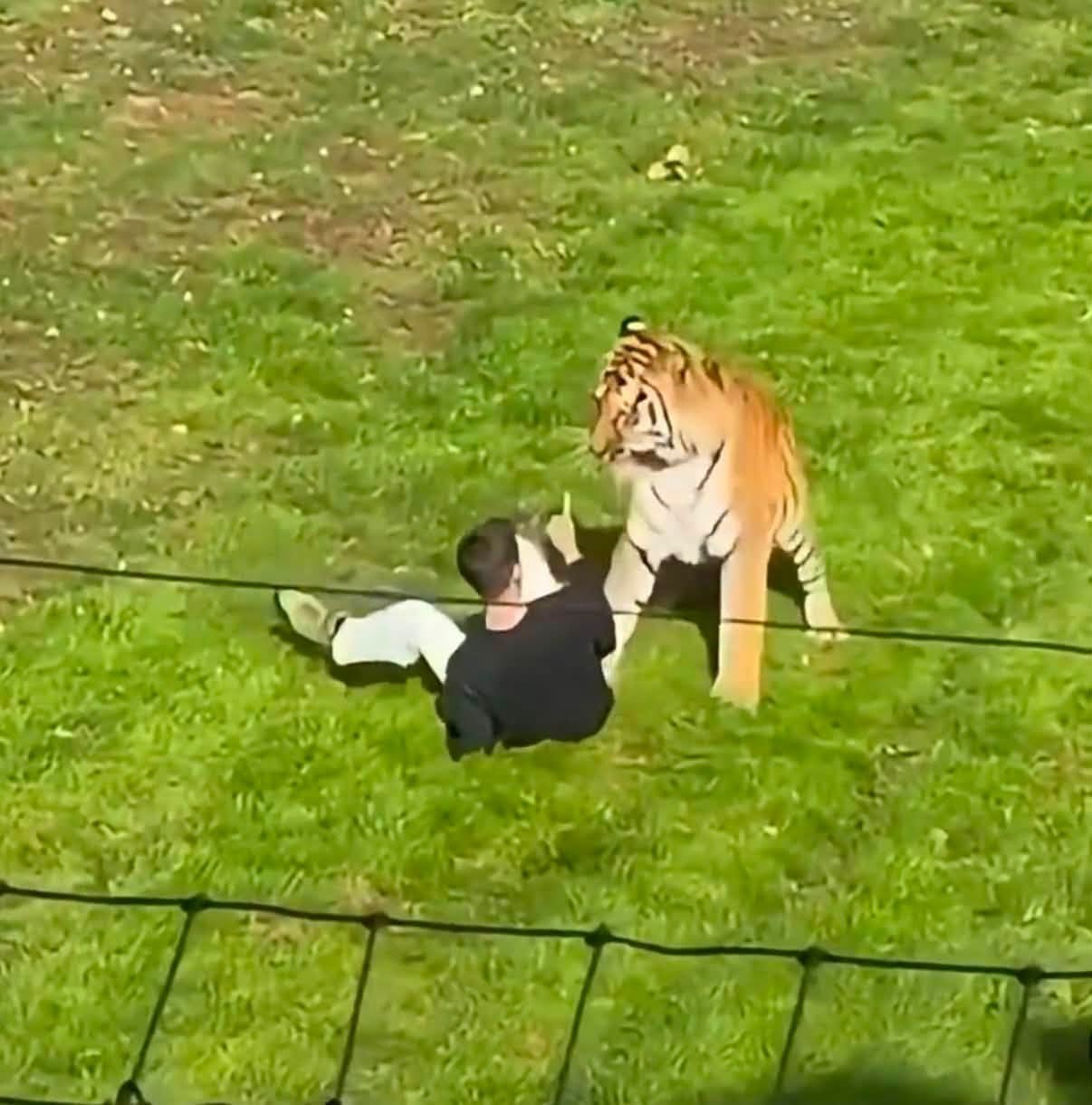
Two employees of Yorkshire Ambulance Service are under investigation after concerns emerged that they may have accessed confidential information relating to William Chapman, the young man who died following an incident at Yorkshire Wildlife Park.
The potential privacy breach has raised serious questions about the protection of sensitive medical information, particularly when a case attracts widespread public attention. The ambulance service has confirmed that the matter was reported to the UK’s Information Commissioner’s Office (ICO), the regulator responsible for overseeing data protection.
What triggered the investigation?
According to Yorkshire Ambulance Service NHS Trust, internal audits identified two possible instances involving two staff members who may have accessed or attempted to access information related to the incident without a legitimate reason.
The trust said it had launched an investigation to establish exactly what happened and whether the employees breached confidentiality rules.
Importantly, the investigation is ongoing. The available information does not establish whether both employees successfully viewed the records or what information, if any, they may have accessed.
The trust has also informed William Chapman’s family and said it will keep them updated as the investigation progresses.
Why medical confidentiality matters
Medical records can contain some of a person’s most private information, including details about their health, treatment and interactions with healthcare professionals.
NHS employees are expected to access such information only when they have a legitimate professional reason. Accessing records out of curiosity or because a case has attracted media attention would be a serious breach of those responsibilities.
The ICO has emphasised that healthcare workers must respect patient confidentiality. Depending on the circumstances, unauthorised access can lead to workplace disciplinary action and potentially further consequences.
The investigation into Chapman’s records will determine whether any rules were broken and what action may be appropriate.
What happened to William Chapman?
Chapman, 24, died on October 10, 2026, after entering a tiger enclosure at Yorkshire Wildlife Park near Doncaster, England.
An inquest heard that he suffered multiple traumatic injuries following contact with a Siberian tiger named Altai. The initial hearing also examined background information about Chapman and the circumstances surrounding the incident.
His death prompted widespread public attention, as well as questions from his family about his contact with mental health services.
A full inquest is scheduled for March 2027, when further evidence is expected to be considered.
The family deserves answers
For Chapman’s relatives, the possibility that confidential records were accessed without a proper reason adds another difficult issue to an already distressing situation.
The ambulance service has apologised for the distress surrounding the incident and said it takes the confidentiality and security of patient information seriously.
For now, the key questions remain unanswered: whether the records were accessed, what information may have been viewed, and whether either employee acted improperly.
The investigation should establish those facts before conclusions are drawn. What is clear is that protecting a patient’s privacy remains a fundamental responsibility, even after a case becomes the subject of intense public interest.
Sources:
- Sky News — Investigation into possible access to William Chapman’s records