Three Jurors Said No, Two Said No, and Florida Still Called It Death
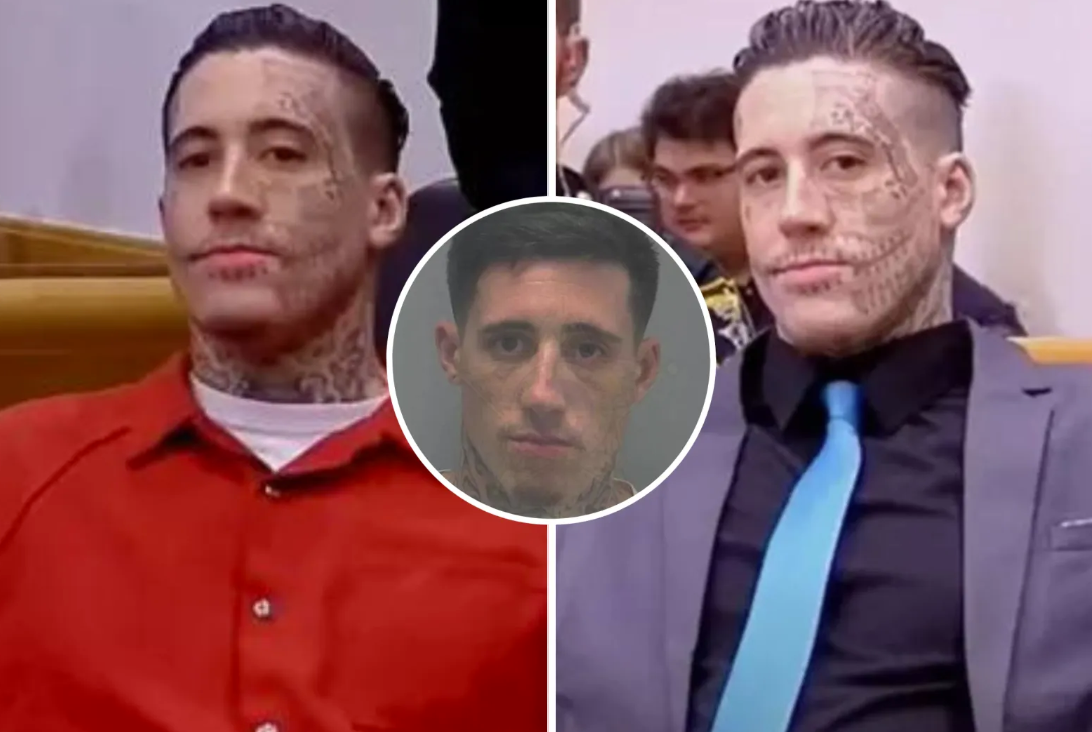
The number that now sits under every filing in Wade Wilson’s appeal is not the body count. It is the split. On June 25, 2024, after the penalty phase, twelve Lee County jurors recommended death by 9–3 for Kristine Melton and 10–2 for Diane Ruiz. Under the statute in force on the day of the crimes in 2019, those votes would not have authorized a death sentence. Florida then required unanimity. Under the statute in force at trial, eight votes were enough to make Wilson eligible, and Judge Nicholas Thompson imposed death on both counts on August 27, 2024. The defense motion for a new trial filed by Lee Hollander in July 2024 argued exactly that: the non-unanimous recommendations would not have produced death under the prior law.
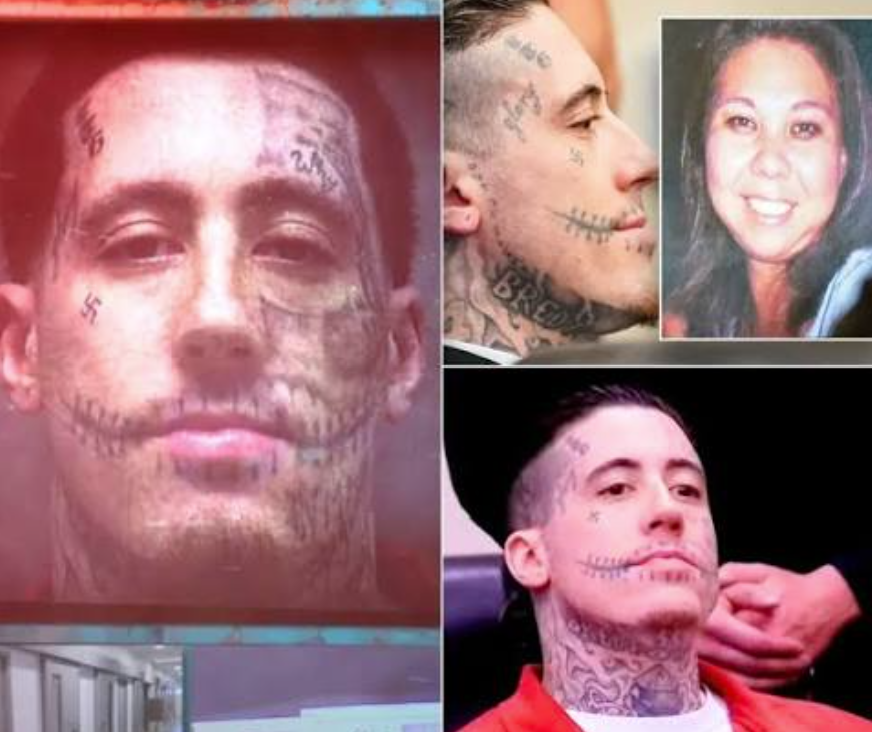
The change was political as much as legal. After the U.S. Supreme Court struck down Florida’s old scheme in Hurst v. Florida in 2016, the state supreme court required a unanimous death recommendation, and the legislature codified that rule. In 2020 a reconsтιтuted Florida Supreme Court reversed course. In 2023, after Nikolas Cruz received life on a 9–3 vote for the Parkland murders, lawmakers pᴀssed Senate Bill 450. The Senate approved it 29–10 and the House 80–30. From April 2023, a jury must still unanimously find at least one aggravating factor, but only eight of twelve must vote that death is the appropriate sentence. Wilson is the second Lee County defendant sentenced to death under that rule. Joseph Zieler received death in June 2023 for the 1990 murders of 11-year-old Robin Cornell and 32-year-old Lisa Story. Wisner Desmaret, convicted in the 2018 killing of Fort Myers officer Adam Jobbers-Miller, received life.
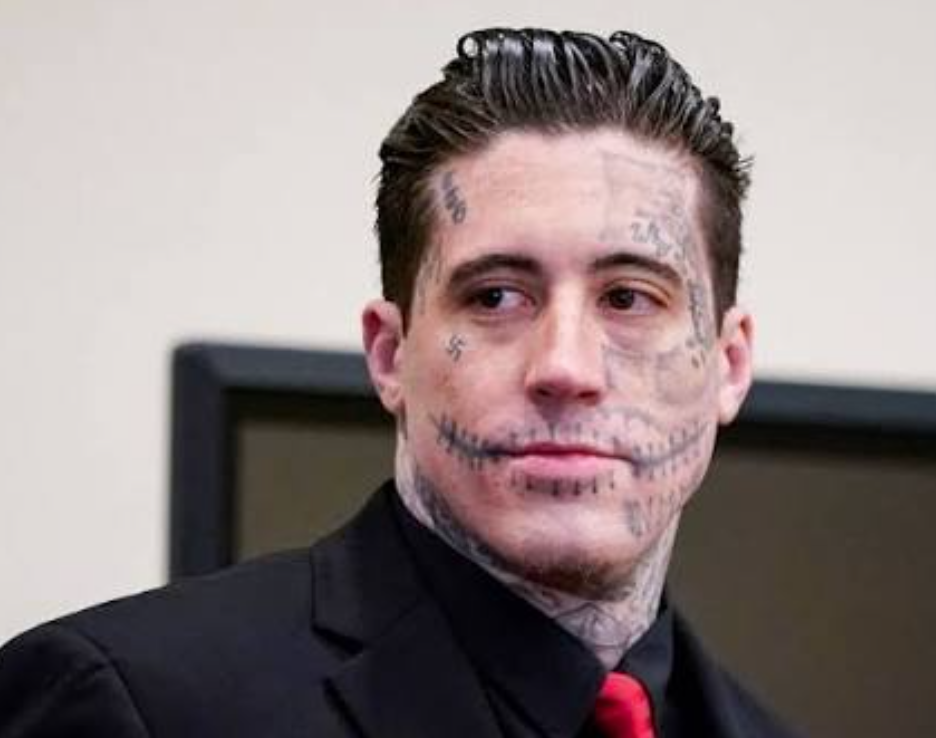
Wilson’s mitigation case tried to explain the votes that went the other way. Neurologist Mark Rubino cited brain damage from injuries. Psychologist Mark Mills suggested schizoaffective disorder. Jail records noted diagnoses of schizoaffective disorder, depression, and anxiety, and medication. A prosecution expert, Michael Herkov, attributed the conduct to drug abuse. Medical examiner Thomas Coyne reported no brain defect. Adoptive parents sent a letter describing a joyful child before addiction. Defense lawyer Kevin Shirley told jurors that death is permanent and that mental illness was an explanation, not an excuse.
The state answered with the recorded calls, the probation status, and the two murders hours apart. Judge Thompson accepted the state’s weighing. The appeal does not, on the public descriptions of the brief, ask the Florida Supreme Court to retry guilt. It asks whether a punishment rule enacted in 2023 can be used on a 2019 crime, and whether the federal Consтιтution allows death when up to a third of the jury votes for life. The U.S. Supreme Court has never decided that second question. Peтιтions already filed in the Jackson and Hunt cases, after the Florida court affirmed those sentences on December 18, 2025, are the vehicle most likely to force an answer before Wilson’s own certiorari peтιтion is even docketed.