The scientist whose paper helped send Lucy Letby to prison now says the jury was shown the wrong mechanism
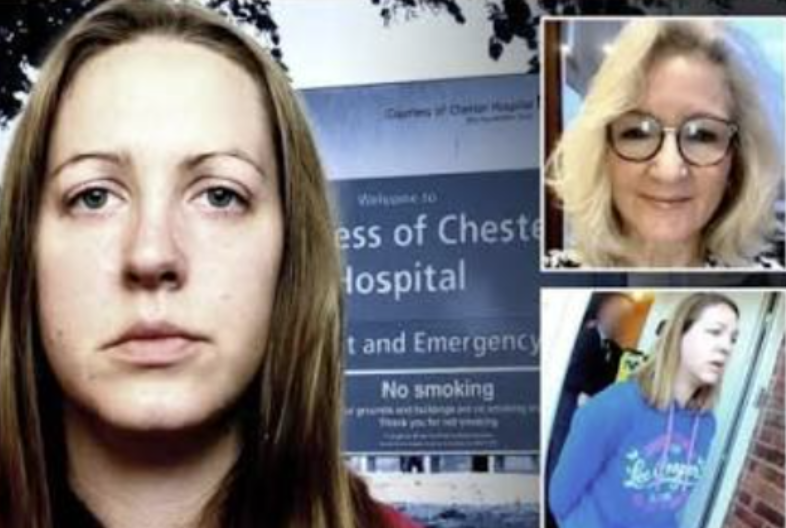
Lucy Letby is still serving 15 whole-life orders. A jury at Manchester Crown Court found that she murdered seven babies and attempted to murder seven others at the Countess of Chester Hospital between June 2015 and June 2016, and two applications for leave to appeal have failed. Those facts have not changed. What has changed, in the public argument around the case, is the status of a piece of science that prosecutors treated as central to how some of those babies were said to have been killed. The author of the research paper used to explain air in the bloodstream now says the jury was shown a reading of his work that he does not accept, and an international panel he later convened has told reporters it found no murders at all.
The paper dates from 1989. Dr Shoo Lee, a Canadian neonatologist, professor emeritus at the University of Toronto and founder of the Canadian Neonatal Foundation, co-wrote a study of pulmonary vascular air embolism in newborns. At trial, the Crown used that literature to support the claim that some infants collapsed after air was injected into their circulation. Skin discoloration was treated as a telling sign. Lee has since said the paper was misread. Discoloration, he argues, is not diagnostic of air in the bloodstream. He has said the patchy marks described in the Chester cases do not match the pattern in his research, and that common neonatal events, including sepsis and circulatory collapse, can mark the skin without anyone injecting anything. He told The Times that he looked at the court transcripts and was not happy, because what was being interpreted was not exactly what he had said. After learning how narrow the route back to the Court of Appeal had become, he put the objection more bluntly: the evidence used to convict her was, in his opinion, not quite right.
In early 2025 he chaired a press conference in London with a panel of neonatal specialists, among them Neena Modi, a former president of the Royal College of Paediatrics and Child Health. Lee summarised the review in a line that has been quoted ever since: they had not found murders. In the cases they reviewed, death or injury was explained by natural disease or by substandard care. The panel’s case-by-case account, as reported by The Independent and others, included claims that one baby’s death was not an air embolism, that another deteriorated over days with infection rather than a sudden ᴀssault, and that another died of respiratory complications tied to bacterial infection and poor care. Letby’s barrister, Mark McDonald, called the material compelling and said it demolished the air-embolism theory. David Davis, the Conservative MP, appeared alongside the panel. The file went to the Criminal Cases Review Commission.
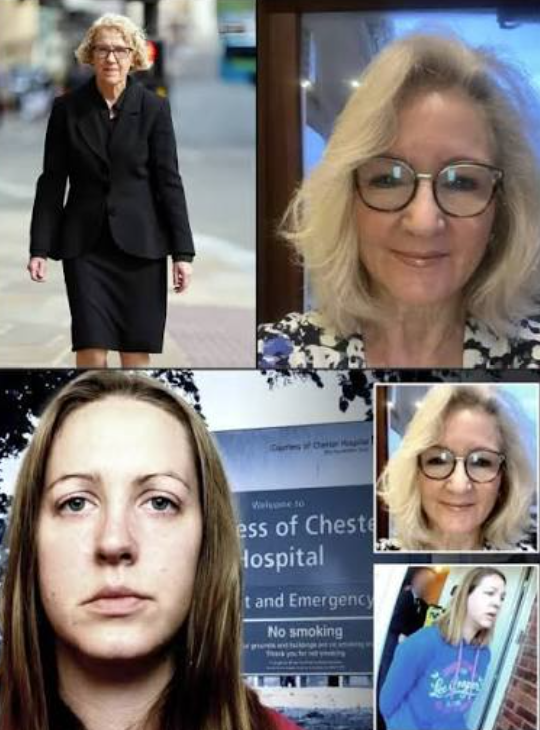
The objection is not uncontested, and the courts have already refused to treat Lee’s evidence on discoloration as a reason to reopen the case. The Court of Appeal held that the prosecution had not relied on skin marks alone. Dewi Evans and Sandie Bohin, the clinicians who gave evidence for the Crown, have stood by air embolism as the best explanation in several of the counts. A retired surgeon quoted in the British press has pushed the argument the other way: if babies had died from air in the heart, air should have been found at post-mortem, and in the cases said to be air embolism it was not. Lee’s reply is that his paper described a different pathway and a different pattern of signs. The Thirlwall Inquiry, which reported on 15 September 2026, was not a retrial and made no finding that the convictions were unsafe. It described a failure to protect babies on the unit and said some deaths were avoidable if police had been called sooner. That finding sits beside, and does not resolve, the scientific dispute.
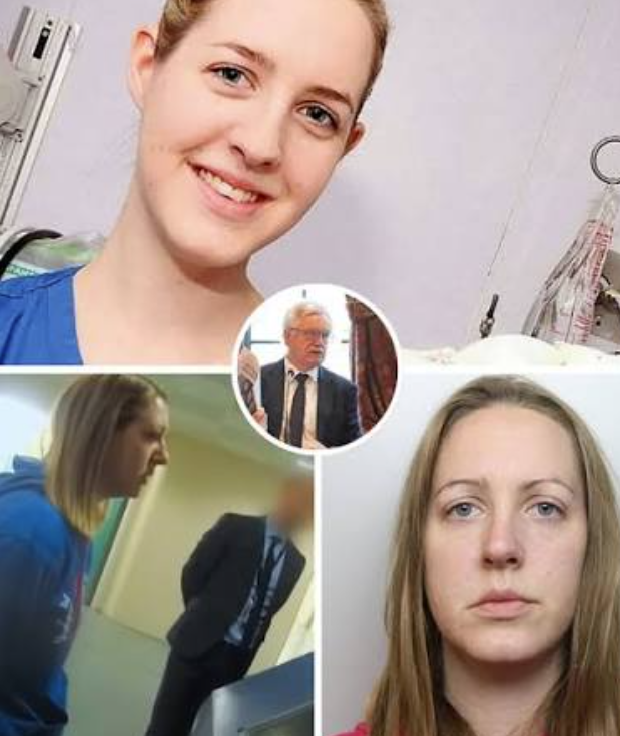
The practical question is now procedural. The Criminal Cases Review Commission can send a case back only if there is a real possibility that the conviction would not be upheld. Lee’s panel was ᴀssembled after contact with the defence, did not hear the trial, and is one body of opinion against clinicians who testified and a jury that convicted. Until the commission decides, the sentence and the verdict remain in force, while the author of the paper the Crown relied on says the mechanism the jury was invited to accept was the wrong one.
Source: New York Post