SHOCKING FORENSIC TWIST IN NOLAN WELLS DEATH: SECOND AUTOPSY RAISES NEW QUESTIONS AS TOXICOLOGY RESULTS REMAIN UNRELEASED
A Mysterious Discoloration, Decomposition Complications and a Fake Toxicology Report Have Deepened the Mystery Surrounding the 18-Year-Old’s Final Hours
The mystery surrounding the death of 18-year-old Nolan Wells has taken another unexpected turn.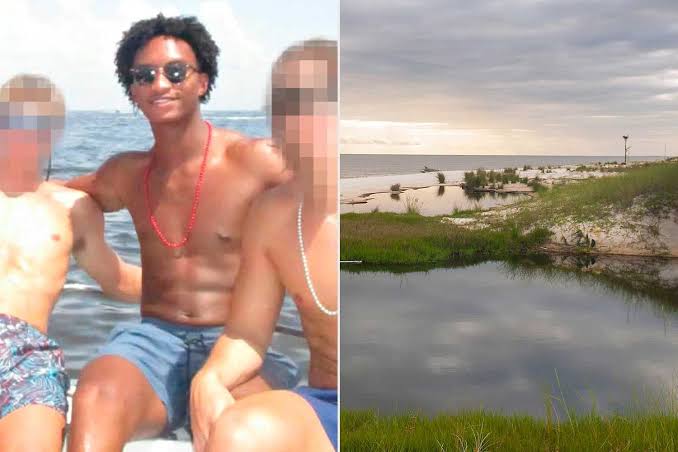
Weeks after the Mississippi college student and football player disappeared during a Fourth of July gathering on Horn Island, questions surrounding his final hours remain unanswered. An independent second autopsy has failed to establish exactly how Wells died, while forensic experts caution that the eventual toxicology results could be difficult to interpret because of significant decomposition.
At the center of the growing uncertainty is a finding involving the back of Wells’ head, questions surrounding the condition of his body, and the absence of a definitive cause or manner of death.
But perhaps most importantly, experts are warning the public not to mistake speculation for evidence.
Wells disappeared on July 4 after attending a gathering on Horn Island. His body was recovered from the water two days later, on July 6. Authorities initially suspected drowning and said there were no apparent signs of foul play.
That conclusion, however, has been questioned by Wells’ family, who commissioned an independent autopsy in an effort to obtain additional answers.
The second examination, conducted by forensic pathologist Dr. Roger Mitchell on July 10, did not establish that Wells was murdered or that another person caused his death.
Instead, the preliminary report left both the cause and manner of death undetermined.
And that uncertainty may be one of the most significant developments in the case.
A FINDING THAT RAISED NEW QUESTIONS
One of the most closely watched findings from the independent examination was an area of red discoloration in the soft tissue at the back of Wells’ head, in the occipital region.
The finding has attracted considerable attention because of its location and reported appearance.
However, investigators and forensic experts have not established what caused it.
That distinction is critical.
The discoloration does not by itself prove that Wells suffered a fatal blow. It does not establish that another person injured him, and it does not automatically demonstrate that a crime occurred.
Instead, the finding represents an unresolved forensic question.
Was it an injury?
Could it have resulted from changes occurring after death?
Could decomposition have altered the appearance of the tissue?
Or could another explanation account for the discoloration?
At this stage, there is no publicly available evidence that definitively answers those questions.
The independent pathologist therefore stopped short of drawing a definitive conclusion.
WHY DECOMPOSITION COULD CHANGE EVERYTHING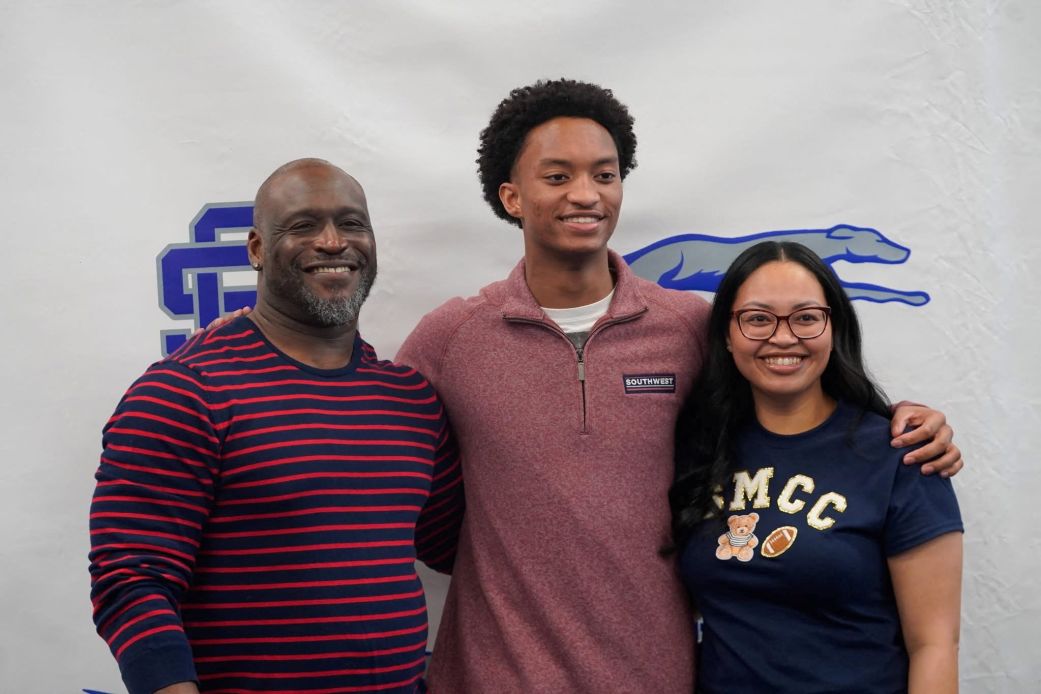
One of the biggest challenges facing forensic investigators is the condition of Wells’ body.
By the time the second autopsy was performed, significant decomposition had occurred.
That can dramatically complicate forensic interpretation.
As decomposition progresses, the body undergoes chemical and physical changes. Skin and soft tissue can change in appearance, internal structures can become more difficult to evaluate, and some injuries may become harder to distinguish from postmortem changes.
The problem becomes even more complicated when toxicology is involved.
According to Dr. Judy Melinek, a board-certified forensic pathologist who is not involved in the Wells investigation, alcohol detected in a decomposed body does not automatically mean that the person consumed alcohol before death.
Bacteria involved in decomposition can produce ethanol after death.
That phenomenon, known as postmortem ethanol production, can complicate the interpretation of toxicology results.
In practical terms, a laboratory result showing alcohol does not necessarily answer the question the public may be asking.
It does not automatically prove Wells had been drinking before he disappeared.
Investigators must instead consider the concentration detected, the condition of the body, the timing of the examination, the possibility of postmortem production and other available evidence.
That forensic distinction could become extremely important once the official toxicology results are released.
THE TOXICOLOGY REPORT EVERYONE IS WAITING FOR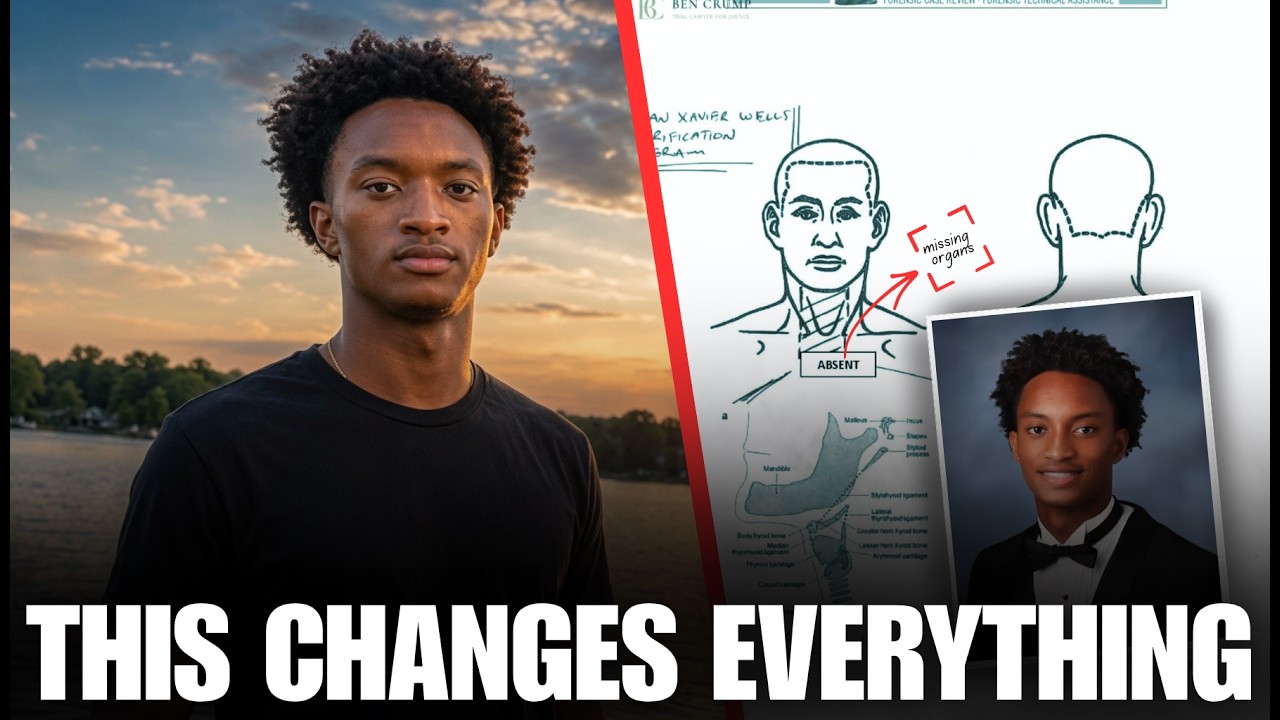
The official toxicology findings remain one of the major unanswered pieces of the investigation.
The Mississippi State Medical Examiner’s Office performed the original autopsy on July 7, shortly after Wells’ body was recovered.
Although authorities have confirmed that the official autopsy was completed, the full results have not been publicly released.
That means the public still does not have access to the complete forensic picture.
And in recent days, that information gap has created an environment where speculation can spread rapidly.
A purported toxicology report began circulating online in early August, appearing to offer answers about Wells’ condition before his death.
But Mississippi Department of Public Safety Commissioner Sean Tindell warned that the document was fraudulent.
Authorities urged the public not to share or rely upon it.
The warning was significant because the alleged document circulated widely across social media while people were desperately searching for answers.
The situation illustrates one of the biggest challenges surrounding high-profile investigations in the digital age: an image, screensH๏τ or document can spread thousands of times before anyone verifies whether it is authentic.
In Wells’ case, officials have made clear that the circulating document should not be treated as evidence.
THE SECOND AUTOPSY DID NOT PROVE HOMICIDE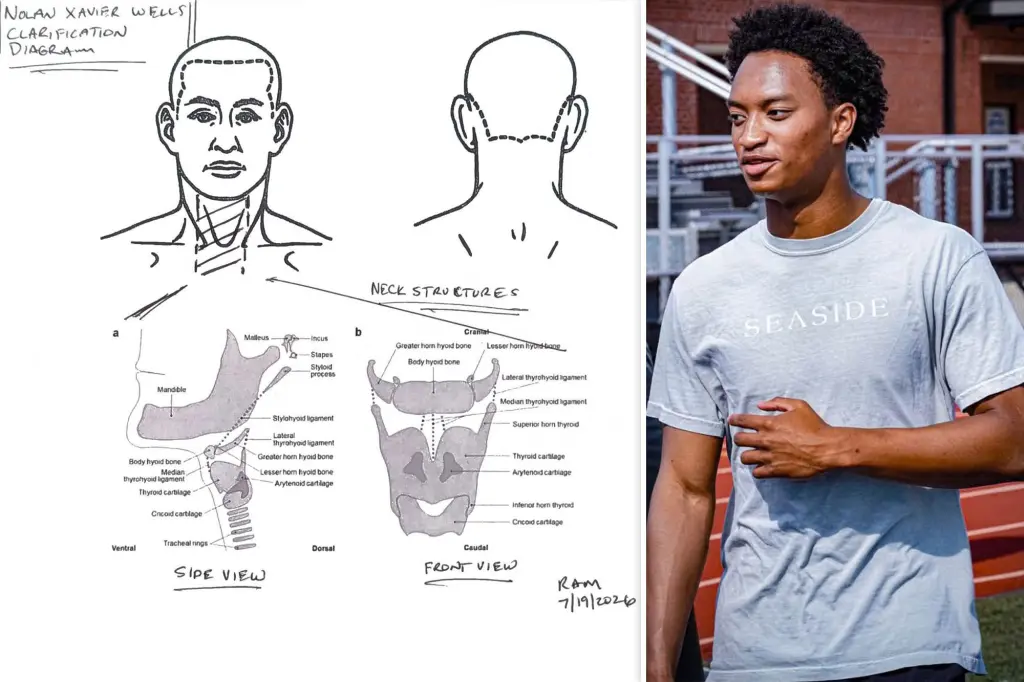
Despite increasingly intense online discussion, the preliminary independent examination did not establish that Wells was the victim of homicide.
It also did not establish that he died from an accidental drowning.
Instead, the medical evidence currently available leaves the case unresolved.
The independent examination reportedly identified no fractures or deep tissue injuries.
At the same time, the examination could not eliminate every possible explanation for Wells’ death.
That distinction matters.
An undetermined cause of death is not the same thing as a finding of homicide.
Likewise, the absence of obvious traumatic injuries does not necessarily answer every question about what happened.
Forensic pathology is only one part of a death investigation.
Investigators must also consider the surrounding circumstances, witness accounts, communications, pH๏τographs, videos, digital evidence, location information and the timeline leading up to the death.
In a case like this, the medical evidence and investigative evidence must ultimately be examined together.
ANOTHER COMPLICATION: MISSING INTERNAL STRUCTURES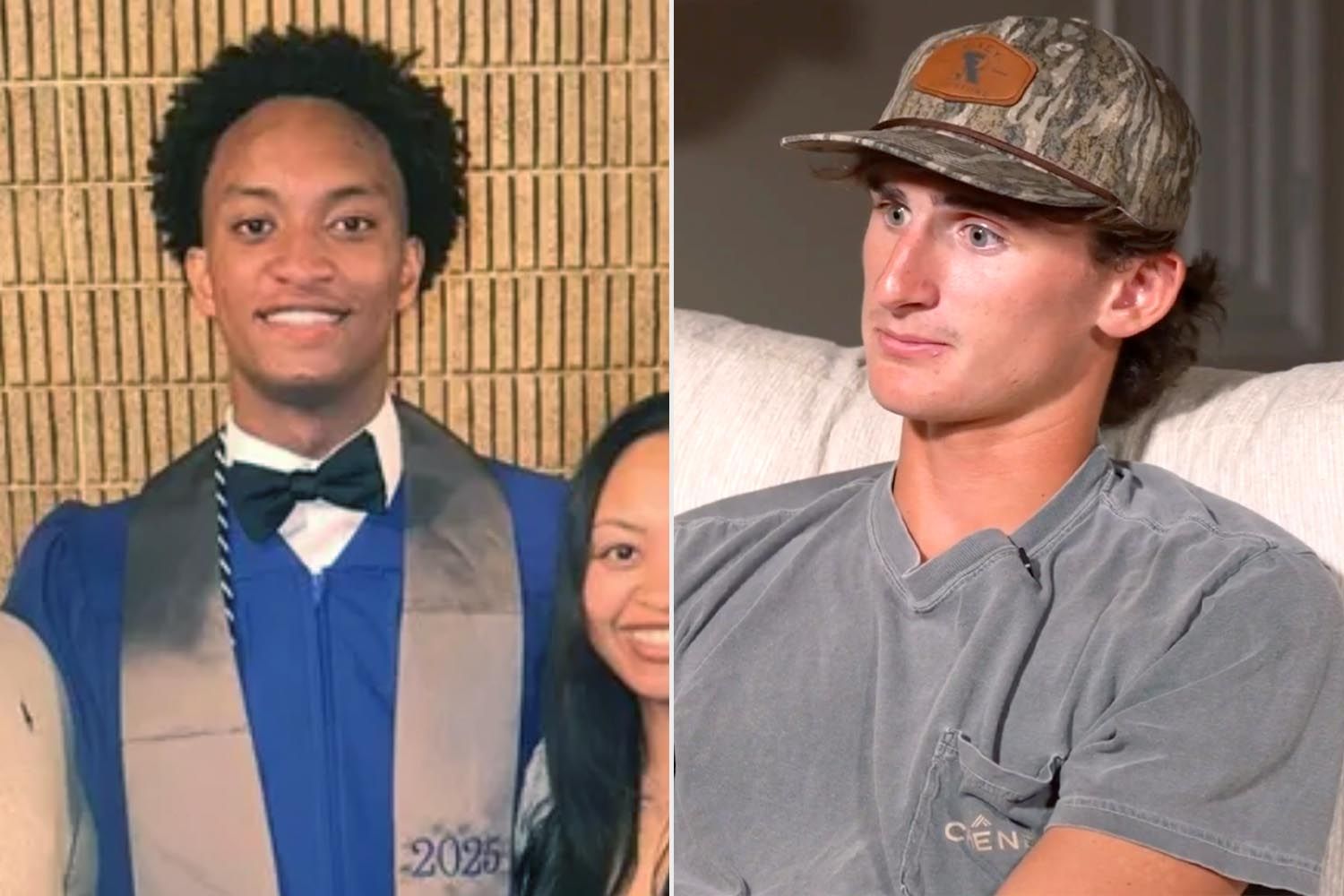
The independent examination also faced another limitation.
Some internal structures from Wells’ neck and throat area had reportedly been retained after the original autopsy for additional examination.
Those structures were not available to the independent pathologist during the second examination.
That fact has fueled speculation online.
But forensic experts caution against automatically interpreting the retention of such structures as evidence of wrongdoing.
Retaining internal structures for additional examination can be part of standard forensic practice when further testing or evaluation is considered necessary.
Instead of proving misconduct, the issue demonstrates the limitations under which the second pathologist was working.
The independent examiner was not evaluating the body under the same circumstances as the original autopsy.
The body had already undergone an earlier examination, some structures had been retained for further testing, and decomposition had continued.
Those factors can significantly affect what a second pathologist is able to determine.
THE TIMELINE MAY BE JUST AS IMPORTANT AS THE AUTOPSY
As forensic experts examine the medical evidence, investigators are also faced with another crucial question:
What happened during the hours between Wells’ disappearance and the discovery of his body?
Wells was reported missing after the Fourth of July gathering on Horn Island.
His body was recovered from the water on July 6.
That period between his disappearance and recovery could prove critical to understanding the circumstances surrounding his death.
Investigators may need to reconstruct where Wells was, who was with him, what communications occurred, and what happened during the final known moments of his life.
Digital evidence could become particularly important.
Phone records, pH๏τographs, videos, location data, messages and other electronic information can potentially help investigators establish a timeline that medical evidence alone cannot provide.
Witness statements may also help clarify the sequence of events.
Ultimately, a forensic pathologist can examine physical evidence and determine whether particular findings are consistent with certain circumstances.
But an autopsy cannot independently reconstruct every event that happened before death.
That is why the broader investigation remains so important.
A FAMILY STILL SEARCHING FOR ANSWERS
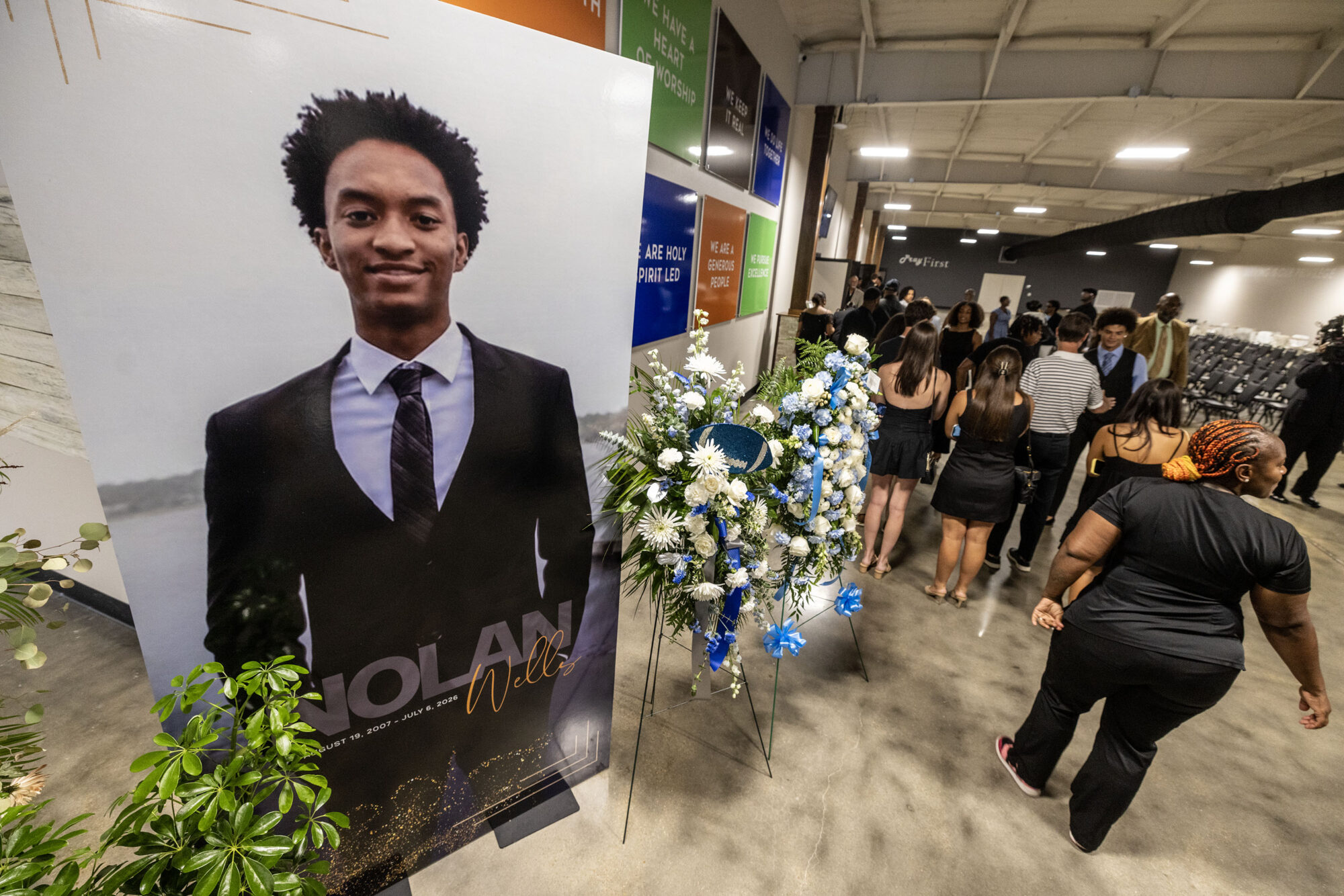
For Wells’ parents and loved ones, the uncertainty surrounding his death has been devastating.
They have questioned the initial interpretation of the case and sought an independent examination in hopes of finding additional answers.
Instead, the second autopsy has highlighted just how difficult the case may be to resolve.
Rather than providing a definitive explanation, it produced a series of unresolved questions.
The discoloration at the back of Wells’ head remains unexplained.
The cause and manner of death remain undetermined.
The effects of decomposition complicate the interpretation of physical findings.
And the official toxicology results have not yet been publicly released.
For a family seeking certainty, that leaves an agonizing gap between what they know and what they still need to learn.
THE GRAND JURY COULD BECOME THE NEXT MAJOR DEVELOPMENT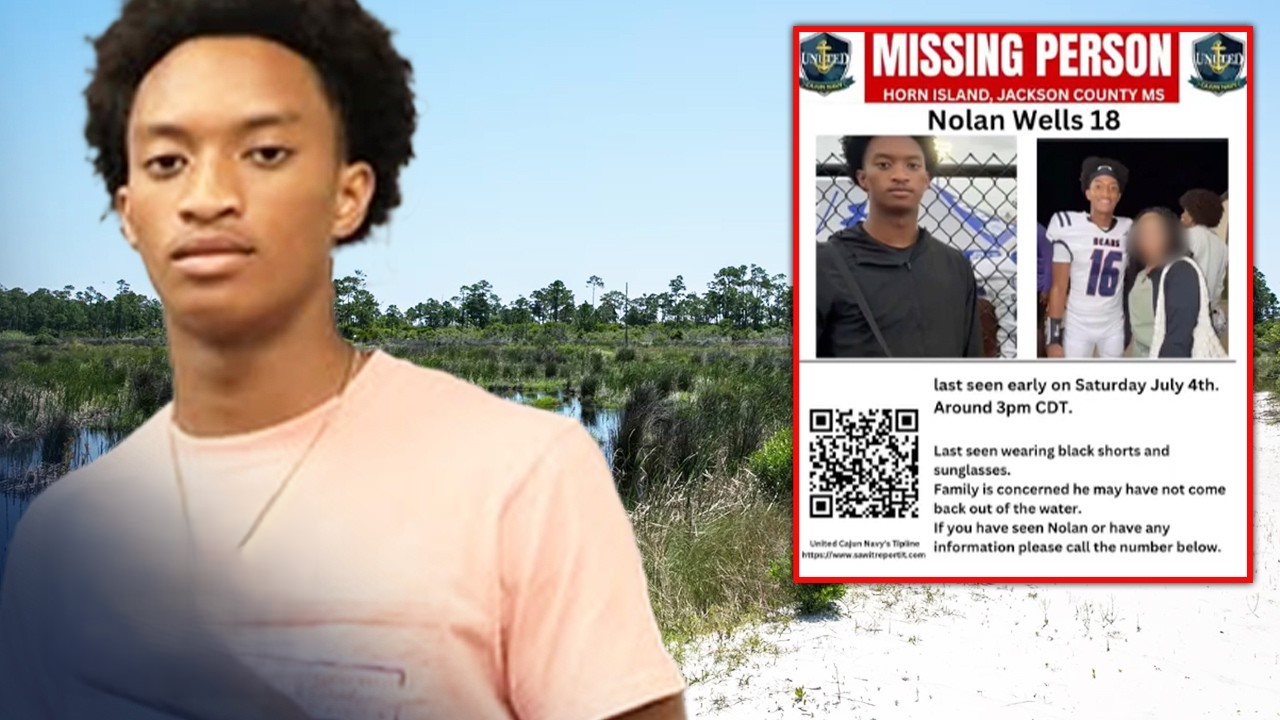
Jackson County District Attorney Angel Myers McIlrath has indicated that a grand jury will review Wells’ death once the investigation is complete.
That process is important, but it should not be misunderstood.
A grand-jury review does not automatically mean authorities have determined that a homicide occurred.
Rather, the grand jury can consider the evidence and determine whether there is sufficient evidence to support criminal charges.
Until that process occurs, the public should be cautious about ᴀssigning blame or presenting online theories as established facts.
No publicly released official toxicology report has established that Wells was intoxicated.
No public official determination has established that he was strangled or ᴀssaulted.
The independent autopsy did not establish homicide.
And authorities have not publicly charged anyone with causing Wells’ death.
THE BIGGEST QUESTION MAY STILL HAVE NO ANSWER
The Wells investigation has now reached a critical stage.
The independent autopsy has raised questions without resolving them.
The official toxicology findings remain unavailable.
A fraudulent report has already demonstrated how easily misinformation can spread.
And investigators are still working to establish what happened before Wells entered the water and during the period before his body was recovered.
The most important forensic finding may ultimately be one that does not provide an immediate answer at all.
The red discoloration at the back of Wells’ head could become significant if additional evidence explains its origin.
But without that additional evidence, it remains an unresolved finding.
Likewise, if alcohol is detected in the official toxicology results, investigators will have to determine whether the result reflects consumption before death or postmortem production ᴀssociated with decomposition.
That means even the long-awaited toxicology report may not provide a simple yes-or-no answer.
WHAT WE KNOW — AND WHAT WE DON’T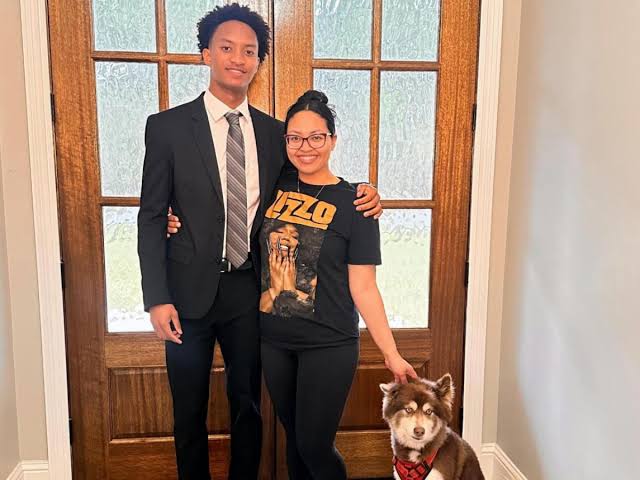
At this point, several facts are established.
Nolan Wells disappeared during a Fourth of July gathering on Horn Island.
His body was recovered from the water two days later.
The state medical examiner conducted an autopsy.
An independent forensic pathologist later conducted a second examination.
The independent examination did not determine the cause or manner of death.
A significant area of red discoloration was observed in soft tissue at the back of Wells’ head, but its cause remains unknown.
The body had undergone substantial decomposition, limiting some forensic conclusions.
A purported toxicology report circulating online was identified by authorities as fraudulent.
And the official toxicology results have not been publicly released.
What remains unknown is equally important.
The precise cause of Wells’ death has not been established publicly.
The manner of death has not been established publicly.
The significance of the discoloration remains unresolved.
The official toxicology findings remain pending or unreleased.
And the complete circumstances surrounding Wells’ final hours have not been made public.
THE MYSTERY CONTINUES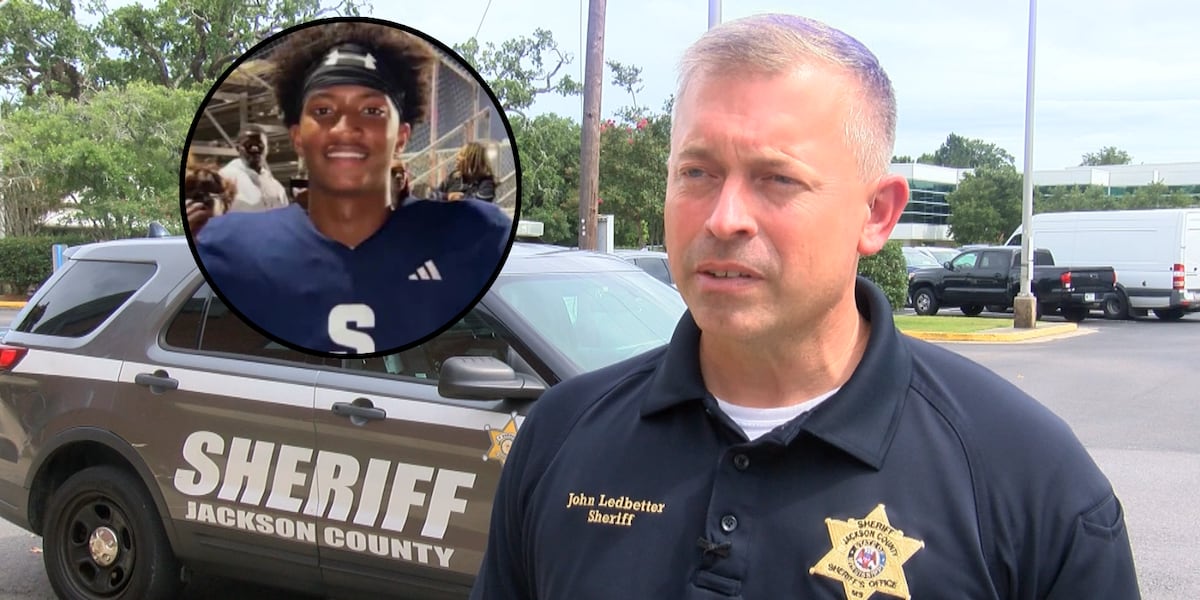
For now, the Wells case remains an unresolved death investigation rather than a proven homicide case.
The independent autopsy did not provide the definitive answer Wells’ family had hoped to receive.
Instead, it revealed the limitations of forensic examination when a body has been recovered days after disappearance and subjected to significant decomposition.
Dr. Melinek’s comments add another important warning: future toxicology results must be interpreted within their full forensic context.
If alcohol is detected, that alone will not prove Wells had been drinking before his death.
If other substances are detected, those findings will still need to be evaluated alongside the medical evidence, timeline and circumstances surrounding his disappearance.
And if additional injuries or forensic findings are identified, investigators will need to determine whether they occurred before death or resulted from postmortem changes.
The case therefore remains open to multiple possibilities.
For now, the most responsible conclusion is also the most difficult one:
There is still no definitive public explanation for how Nolan Wells died.
The next major developments could come from official toxicology results, additional forensic testing, witness interviews, digital evidence or the eventual grand-jury review.
Until those pieces are available, speculation cannot replace evidence.
And the mystery surrounding Nolan Wells’ final hours remains unanswered.