“She Never Reported Hearing Voices” — Then the Defense Opened the File the Psychiatrist Never Saw

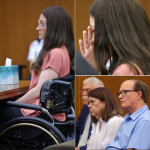
Defense attorneys in the Lindsay Clancy murder trial have focused intense scrutiny on the format and duration of the psychiatric care she received in the months before she killed her three children. Dr. Jennifer Tufts treated Clancy primarily through short telehealth appointments from September 2022 until the day before the January 2023 killings. Under cross-examination by Kevin Reddington the psychiatrist faced detailed questions about the length of those sessions, the depth of the clinical inquiry possible in that format and the documentation of Clancy’s condition.

The defense argues that the brief virtual contacts may have limited the ability to recognize a rapidly deteriorating mental state. Tufts testified that she diagnosed anxiety and adjustment disorder rather than bipolar disorder or postpartum psychosis. She said Clancy never disclosed hearing voices or having thoughts of harming her children and that she observed no signs of psychosis. At the final appointment on January 23 Clancy denied suicidal and homicidal ideation while acknowledging depression and hopelessness. The defense has pointed to information Tufts did not possess at the time, including two suicide H๏τline calls Clancy made before the killings, a fact that appeared to surprise the psychiatrist when it was raised in court. Reddington also examined medication changes and whether the treatment was sufficiently thorough given Clancy’s reported insomnia, medication side effects and growing sense of disconnection from reality.
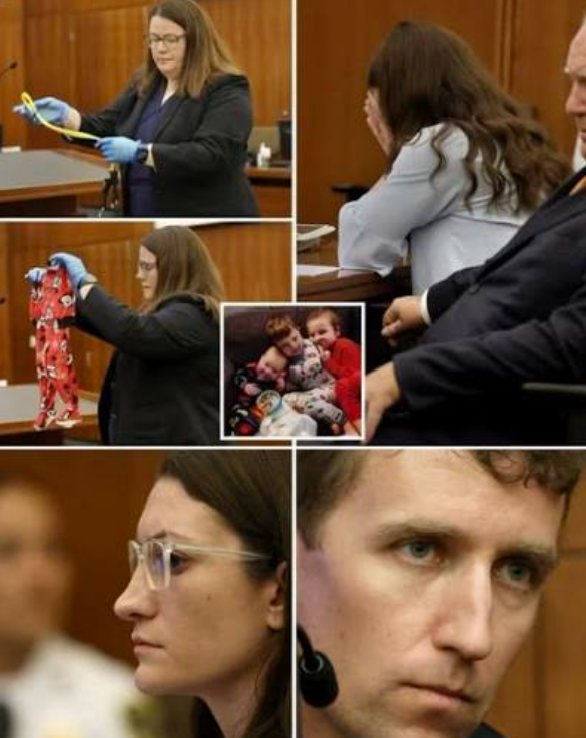
The defense contends these problems formed part of a psychiatric decline that culminated in postpartum psychosis severe enough to prevent Clancy from understanding the nature or wrongfulness of her actions. Clancy has pleaded not guilty by reason of insanity in the deaths of Cora, Dawson and Callan. She later attempted suicide and was left paralyzed from the waist down. Prosecutors maintain that her conduct before and during the killings shows she understood what she was doing and acted deliberately. They have highlighted the observations of clinicians who saw her in the period immediately preceding the tragedy and who did not document clear evidence of psychosis. A psychiatrist who treated Clancy at McLean Hospital in January 2023 diagnosed severe major depressive disorder without psycH๏τic features. That clinician recorded insomnia, emotional numbness and suicidal thoughts but did not find symptoms supporting a diagnosis of postpartum psychosis. The defense has questioned whether the evaluating doctors had complete access to Clancy’s medical history and whether medication adjustments received adequate monitoring.
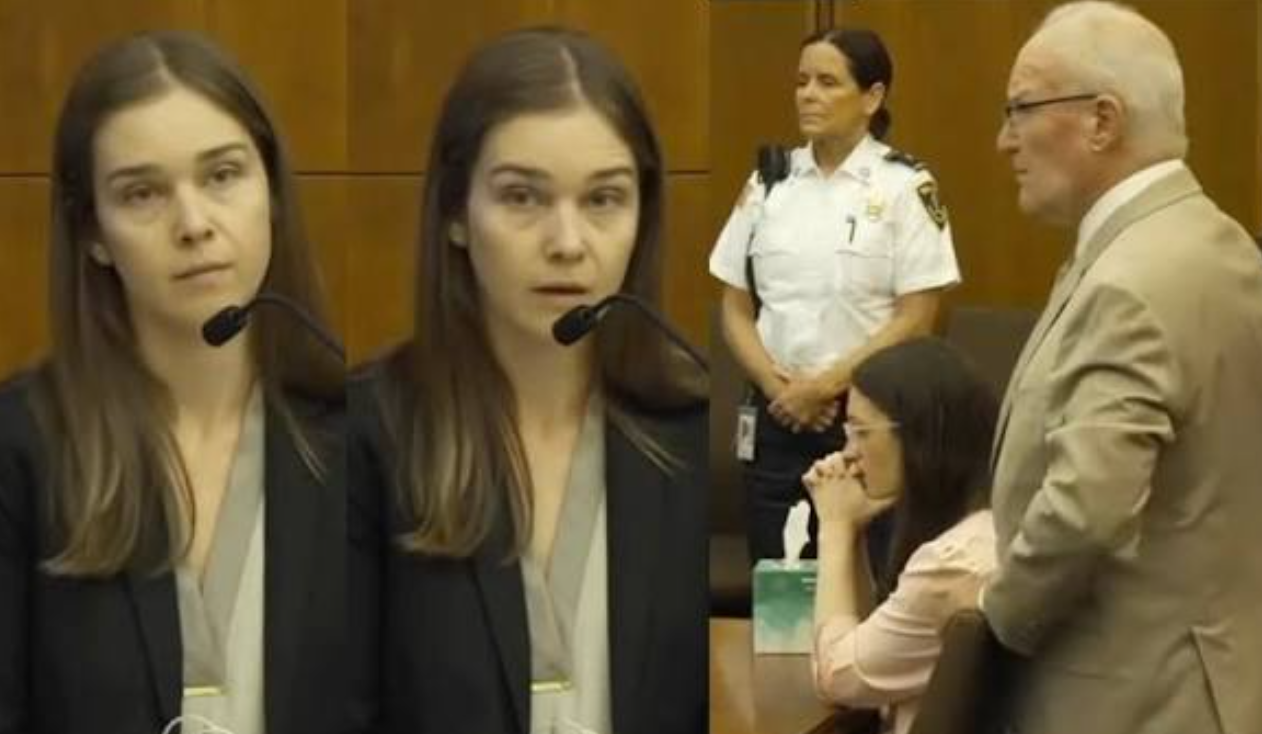
Clancy’s repeated efforts to obtain treatment have been offered by the defense as evidence of the intensity of her distress. Mᴀssachusetts law requires the jury to decide whether her mental condition met the specific standard for lack of criminal responsibility at the time of the children’s deaths; the mere presence of mental illness is not sufficient. Patrick Clancy has testified about his wife’s decline after the birth of their third child and the discovery he made upon returning home. The former nanny described Lindsay as a loving and attentive mother and said she never observed behavior suggesting the children were in danger. The defense has used those descriptions to argue that the crisis was not obvious to those closest to her. Prosecutors continue to argue that the evidence points to intentional rather than psycH๏τic conduct. The emphasis on the short telehealth format has become a central theme of the defense challenge to the quality of care Clancy received in the final months of her children’s lives. The jury must now weigh the clinical records, the contemporaneous observations and Clancy’s actions in determining the question of criminal responsibility.
Source: https://nypost.com/2026/08/05/us-news/lindsay-clancy-sobs-as-nanny-describes-slain-son-callan-3-as-happiest-sweetest-easiest-baby/