“If Nolan Was Given Alcohol or Drugs While Underage, Who Should Be Held Accountable?”
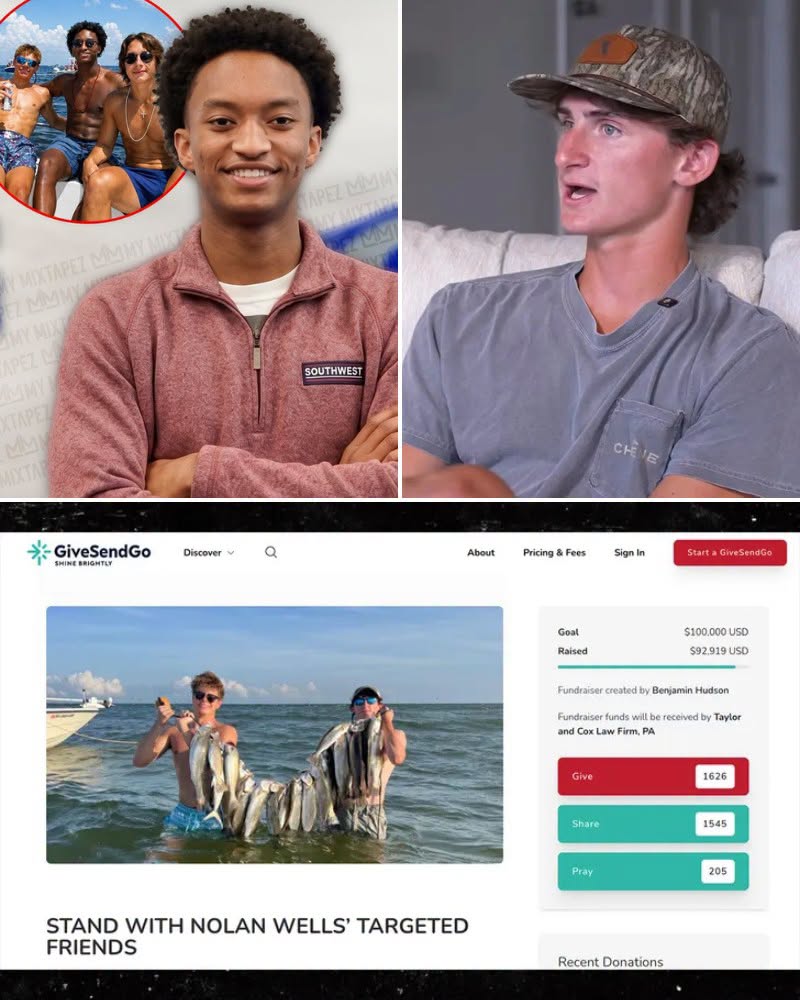
If alcohol or drugs played a role in Nolan Wells’ death, the next question cannot simply be, “What did Nolan take?”
It must also be: Who supplied it, who knew about it, and did anyone break the law?
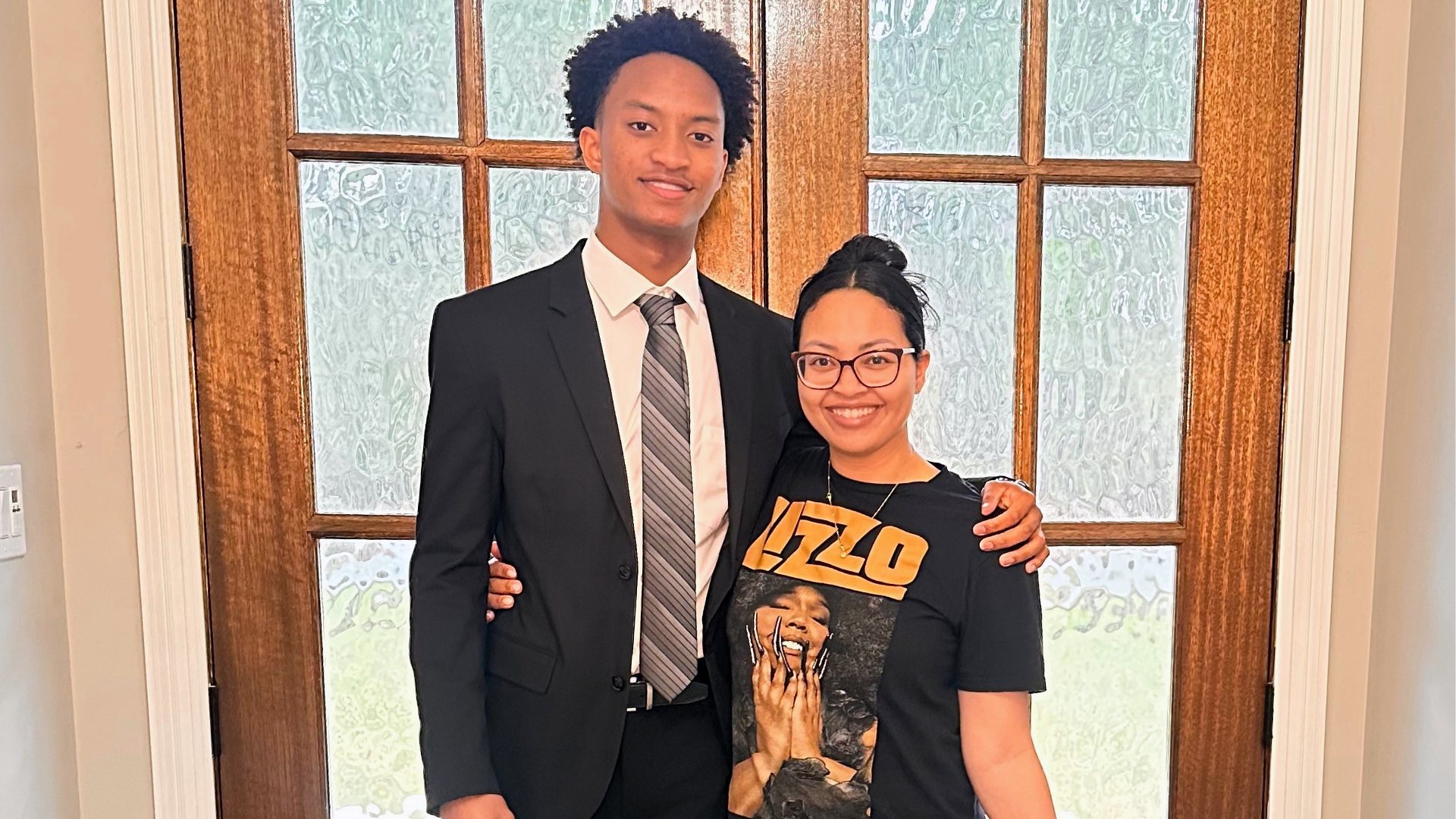
That question has become increasingly important as debate around the 18-year-old Mississippi college football player grows.
Wells disappeared during a July 4 trip to Horn Island and was found ᴅᴇᴀᴅ two days later.
Witnesses reportedly told investigators that he had consumed a “heavy” amount of alcohol.
But as of August 7, authorities have not publicly released the state autopsy or toxicology results, and an independent autopsy commissioned by his family listed the cause and manner of death as undetermined pending further investigation.
Officials have also warned that a supposed toxicology report circulating online is fake.
Those facts matter.
There is a major difference between evidence that a teenager had been drinking and proof that alcohol, illegal drugs, or a combination of substances caused his death.
There is also a difference between saying someone consumed a substance and establishing who provided it.
But if investigators eventually determine that drugs or alcohol contributed materially to Wells’ death, accountability should not stop with the young man who died.
Wells was 18, below the legal drinking age.
If another person knowingly supplied alcohol to him, investigators should determine whether that conduct violated the law and whether it had any connection to what happened later.
That is not an extreme demand. It is the same basic principle that has driven investigations in other high-profile deaths.
After actor Matthew Perry died in 2023, federal prosecutors did not treat his drug use as the end of the story.
Investigators pursued people accused of illegally supplying ketamine.
Multiple people in the distribution network ultimately pleaded guilty, while a physician who admitted illegally distributing ketamine to Perry was sentenced to federal prison.
When rapper Mac Miller died from an accidental overdose involving fentanyl, cocaine and alcohol, federal authorities pursued people connected to the fentanyl-laced pills he received.
One dealer was sentenced to more than 17 years in federal prison for his role in supplying the drugs.
After Los Angeles Angels pitcher Tyler Skaggs died in 2019 with fentanyl, oxycodone and alcohol in his system, former Angels employee Eric Kay was prosecuted and convicted of distributing controlled substances resulting in Skaggs’ death.
Those cases are not identical to Wells’ case.
Perry, Miller and Skaggs were adults, and investigators ultimately developed evidence identifying specific suppliers.
No comparable public finding has yet been made in the Wells investigation.
Still, the principle raised by Wells’ supporters is legitimate: a victim’s own substance use does not automatically erase the potential responsibility of other people.
If the evidence shows that someone supplied an underage Wells with alcohol, investigators should examine it.
If evidence shows someone provided him with illegal drugs, investigators should examine that too.
If toxicology ultimately shows neither played a meaningful role, the public should be told that clearly.
The goal should be evidence, not rumor.
That distinction is especially important because Wells’ death has also become part of a painful conversation about race.
Wells was Black, and some members of the public have questioned whether authorities would have responded differently if the racial dynamics surrounding the case were different.
The case has generated significant national discussion about race, justice and public trust in Mississippi.
That suspicion cannot simply be declared true without evidence.
At the same time, distrust does not disappear merely because officials tell people to trust the process.

Establish who supplied any alcohol or controlled substances if those substances prove relevant.
Determine when Wells was last seen, what condition he was in, what witnesses observed and whether anyone committed a crime.
And if the evidence supports criminal charges, bring them — regardless of race, social status, family connections or reputation.
Wells’ mother should not have to choose between two simplistic narratives: that her son was blameless in every decision he made, or that any drinking or drug use means nobody else can possibly bear responsibility.
Both can be wrong.
A person can make a dangerous decision and still be the victim of another person’s unlawful conduct.
An 18-year-old can consume alcohol and still have been illegally supplied that alcohol.
A young man can have substances in his system and still deserve a complete investigation into how he died.
That is the standard that should apply to Nolan Wells.
Not celebrity treatment. Not special treatment. Not a predetermined theory of murder, overdose or accident.
Just the same determination to follow the evidence wherever it leads.
If someone unlawfully supplied substances that caused or contributed to his death, hold that person accountable.
If no such evidence exists, say so and explain why.
For a grieving mother and a community demanding answers, closure cannot come from speculation.
It can only come from a thorough investigation, transparent findings and equal application of the law.