773k-Year-Old Jaw & Vertebrae: Missing Link for Sapiens, Neanderthals & Denisovans!lh
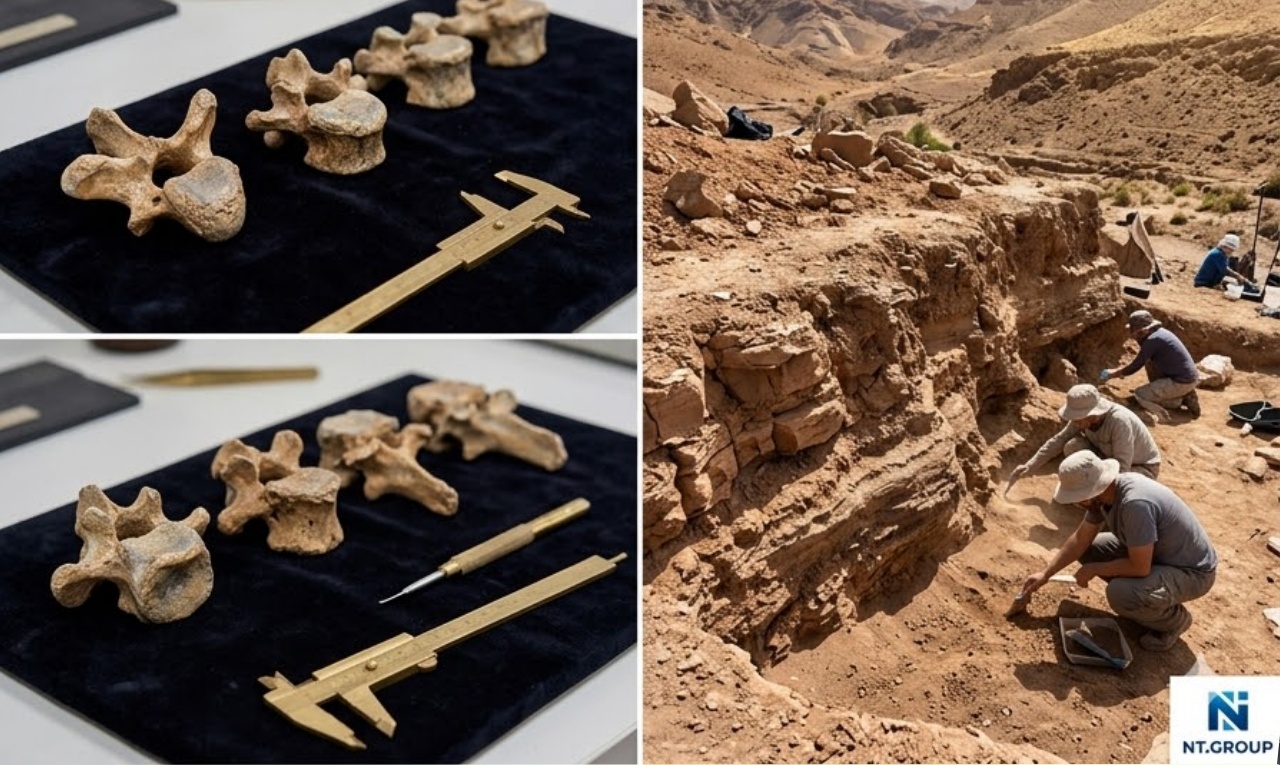
773,000-Year-Old Moroccan Jaws and Vertebrae: The Critical “Missing Link” Bridging the Three Main Homo Lineages!
In a landmark Nature paper published January 7, 2026, an international team led by Jean-Jacques Hublin has unveiled 773,000-year-old hominin fossils from Thomas Quarry I in Casablanca, Morocco—widely hailed as the strongest candidate yet for the last common ancestor (LCA) of Homo sapiens, Neanderthals, and Denisovans.
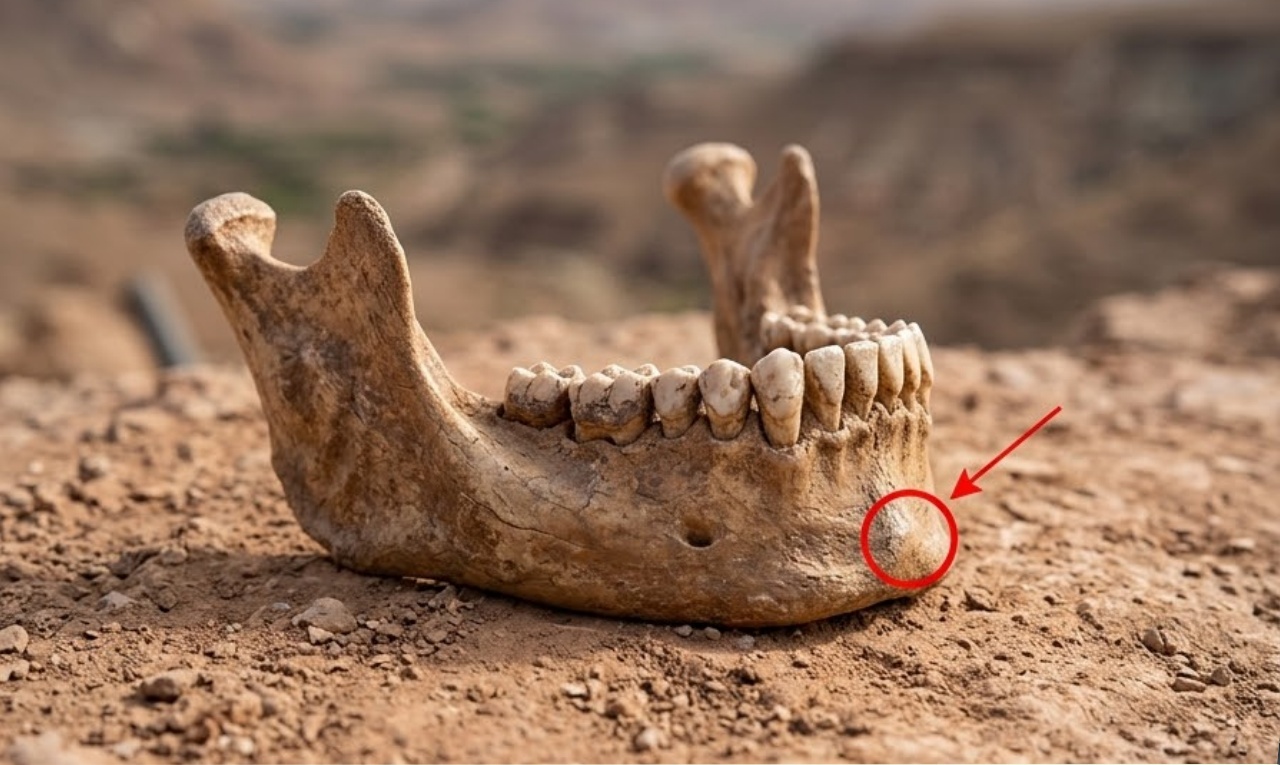
The key specimens—three partial mandibles (including one from a juvenile), isolated teeth, cervical vertebrae, and a femur fragment—were recovered from precisely dated coastal cave sediments. High-resolution magnetostratigraphy ties them to the Matuyama–Brunhes reversal, fixing their age at 773,000 ± 4,000 years. This makes them among the best-dated mid-Pleistocene African hominins on record.
Anatomically, the jaws and vertebrae display a striking mosaic: robust, thick-enameled teeth and strong mandibular bodies reminiscent of earlier Homo erectus, combined with derived features such as reduced canine size, a more parabolic dental arcade, and vertebral morphology foreshadowing later Eurasian and African lineages. These traits set them apart from both classic H. erectus and European H. antecessor, positioning the North African population near the root of the three sister groups.
Genetic estimates place the sapiens–Neanderthal–Denisovan LCA between 765,000 and 550,000 years ago; the Moroccan fossils sit squarely at the older end of that window. Hublin notes: “These mandibles and vertebrae may be the closest we have to the elusive ancestral population that gave rise to all three lineages.” Co-author Matthew Skinner adds that the combination of traits “matches the mosaic morphology expected in our last common ancestors.”
The discovery firmly shifts the geographic spotlight to northwest Africa and underscores how a single, well-dated site can illuminate the deepest branches of the human family tree. As protein and potential ancient DNA studies advance, these Casablanca fossils promise to resolve long-standing questions about the timing and location of the great hominin divergence—proving once again that the cradle of our species still holds transformative secrets.