Eight Months After Nancy Guthrie Vanished, a New Ransom Message Has Been Dismissed — But the Questions Surrounding Her Disappearance Are Far From Answered

The disappearance of 84-year-old Nancy Guthrie has entered another painful chapter, as investigators continue searching for answers while confronting yet another communication that appeared to be connected to her suspected abduction. On September 28, 2026, the Pima County Sheriff’s Department and the FBI Guthrie Task Force announced that they had learned of a new possible ransom-related text message. The development briefly renewed attention on a case that has remained unresolved for more than eight months, but the following day authorities delivered a disappointing update: after reviewing the communication, investigators determined that it was not credible. The announcement did not identify the sender, reveal the precise contents of the message, or establish whether the person responsible had any genuine knowledge of Nancy’s disappearance.
Instead, officials emphasized that messages connected to the case must be evaluated carefully and that the investigation remains active. For a family that has spent months waiting for meaningful answers, the distinction between a genuine lead and a deceptive demand is especially significant. Every new message can attract public attention and raise expectations, yet an alarming claim does not necessarily contain information that can help locate a missing person. The latest development also highlights the troubling pattern of people attempting to exploit a disappearance that has received extensive national attention. Authorities warned the public against sending money or disclosing personal information in response to unsolicited communications and encouraged anyone receiving a potentially relevant message to report it directly to law enforcement. The warning reflects a broader concern that the publicity surrounding Nancy’s case may create opportunities for individuals seeking cryptocurrency payments, attention, or other benefits without possessing legitimate information. Nancy was last seen at her Catalina Foothills home near Tucson, Arizona, on the evening of January 31, 2026. Her family reported her missing the following day after she failed to appear for her usual church services. Investigators subsequently found blood near the entrance to her residence that was confirmed to belong to her, and authorities have treated the circumstances as a suspected abduction.
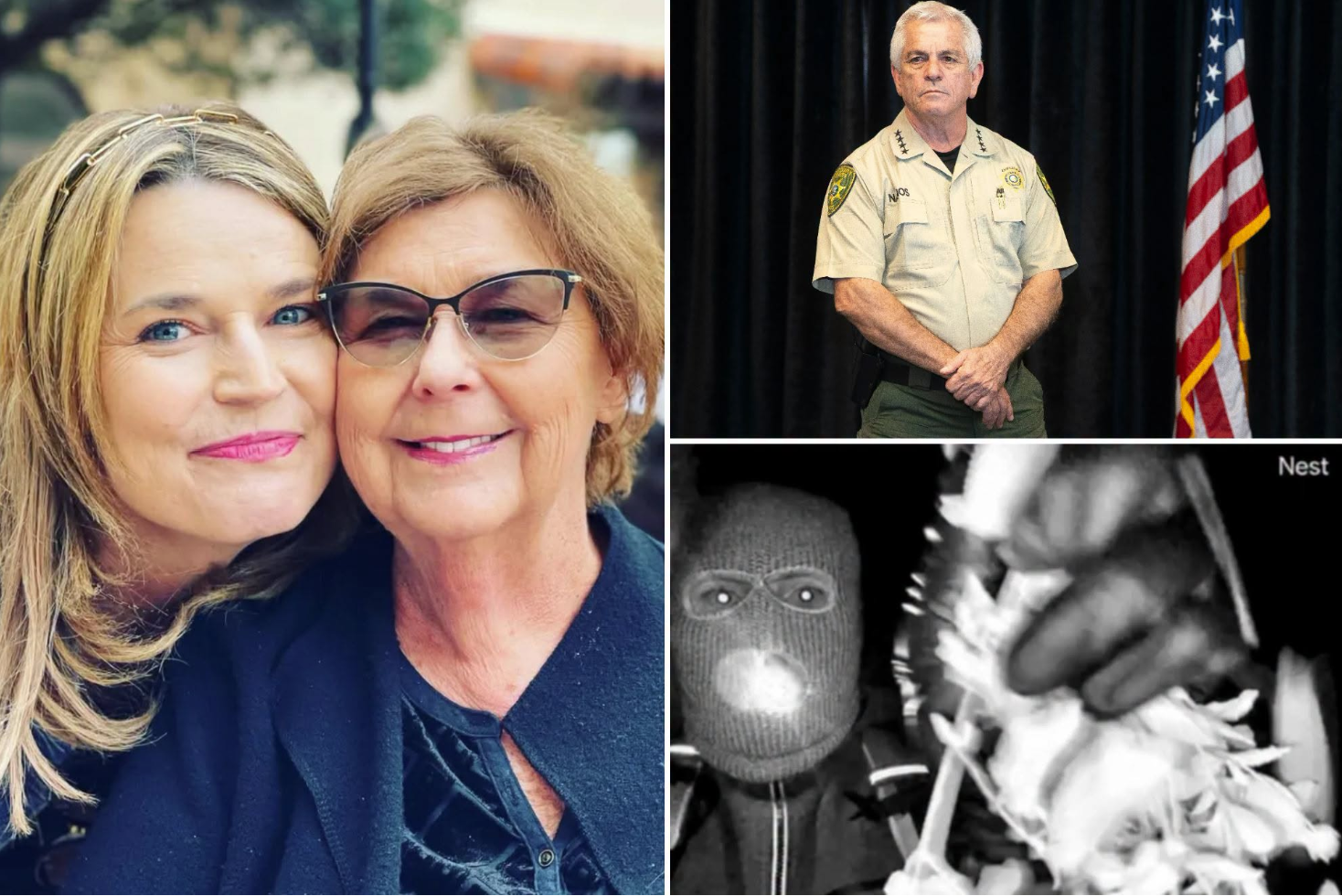
Nancy’s age and reported health challenges have made the prolonged uncertainty particularly distressing. The case has also generated intense scrutiny because surveillance footage released by the FBI showed a masked individual near her front porch around the time she disappeared. Authorities said the individual appeared to interfere with a camera and obstruct its view with a plant. However, the publicly released footage has not produced a publicly identified suspect, and investigators have not established who the person was or what role, if any, that individual played in Nancy’s disappearance. Earlier ransom-related communications added another layer of uncertainty. In July, authorities released two messages that had been sent to a Tucson television station in February, hoping that members of the public might recognize distinctive wording, sentence construction, or other characteristics. One message demanded $4 million in cryptocurrency and claimed Nancy would be released unharmed after payment. Another claimed she had died shortly after being taken. Those communications raised serious questions, but they did not publicly resolve what happened to her. Authorities have also dismissed other communications as extortion attempts, demonstrating why the latest message could not simply be accepted at face value. In an October 6 report, the International Business Times UK noted that the September communication had been ruled out and that no suspect had been publicly named in the disappearance.
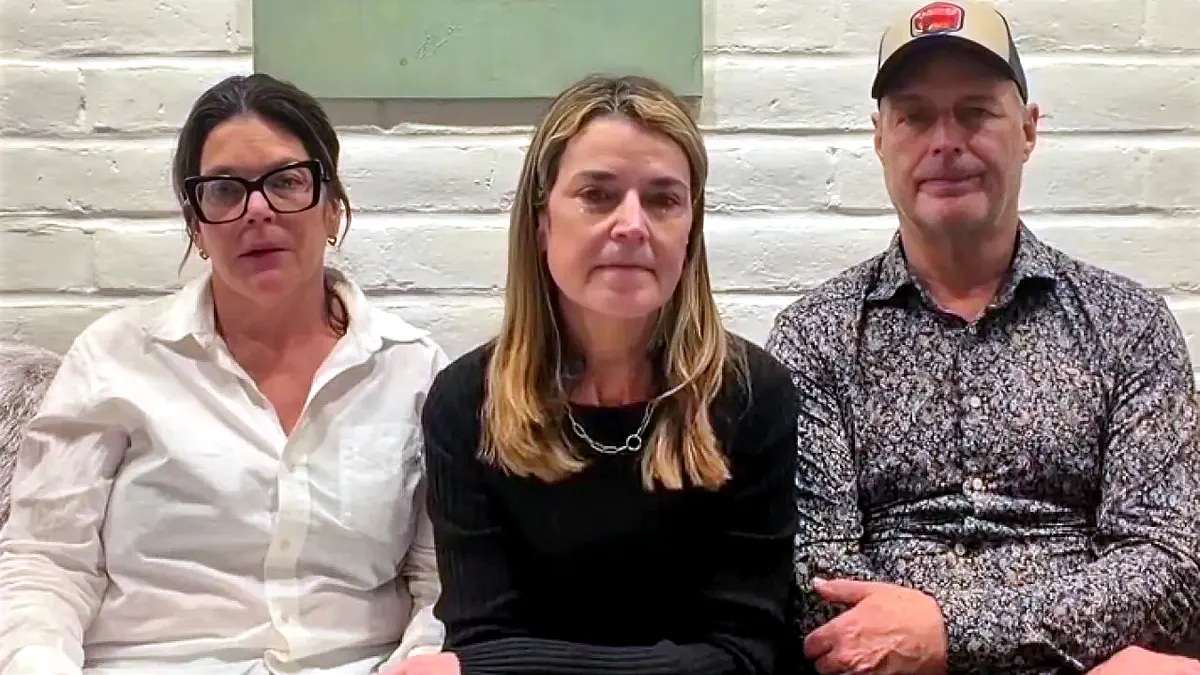
A separate October 7 report from TV Insider highlighted comments by retired FBI agent Jennifer Coffindaffer, who said she had received four Bitcoin ransom emails months after Nancy vanished and had forwarded them to the FBI without responding. Coffindaffer believed those messages were likely scams, although her ᴀssessment should not be confused with an official identification of their sender. These reports illustrate how the investigation has been complicated by communications that appear connected to the case but may ultimately provide no reliable answers. For detectives, the challenge is to distinguish potentially useful evidence from attempts to manipulate the family, mislead investigators, or profit from the public’s concern. The dismissal of the latest message does not establish what happened to Nancy, nor does it mean every possible lead has been exhausted. It simply means investigators did not consider this particular communication credible. As the search continues, the central questions remain unanswered: Who was responsible for Nancy’s disappearance? What happened inside or near her home that night? Did the masked person captured on camera act alone, or was someone else involved? And is there information held by a witness who has not yet come forward? Authorities continue to urge anyone with genuine information to contact law enforcement rather than rely on rumors circulating online. The newest message may have failed to deliver a breakthrough, but Nancy’s disappearance remains an active investigation, and the search for verifiable evidence continues. Sources: ᴀssociated Press reporting published by The Washington Post on September 29, 2026; International Business Times UK, October 6, 2026; TV Insider, October 7, 2026.