Chicago Archaeopteryx: The Most Perfect Specimen Reveals Ancient Bird Could Fly and Climb Trees Like Modern Birds.lh
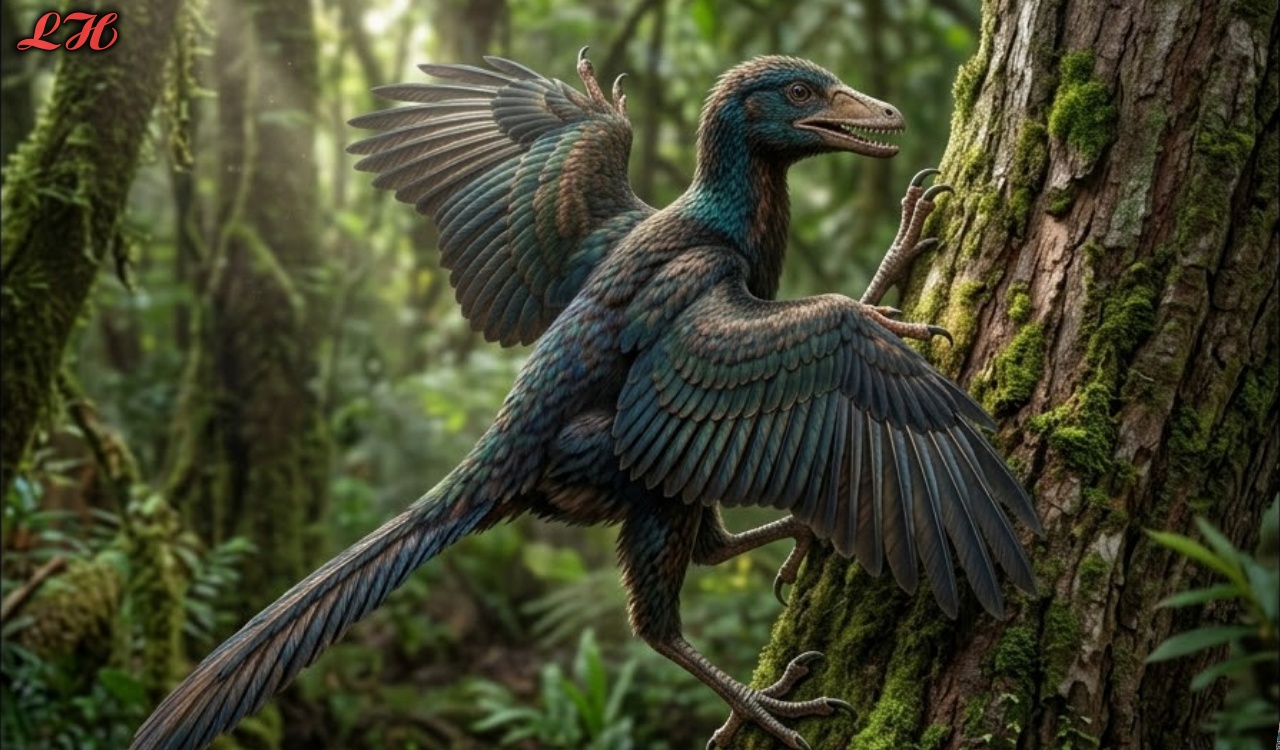
Chicago Archaeopteryx: The Most Perfect Specimen Reveals Ancient Bird Could Fly and Climb Trees Like Modern Birds
A stunning new Archaeopteryx specimen at Chicago’s Field Museum has been hailed as the most complete and best-preserved example of this iconic “first bird” ever studied. The 150-million-year-old fossil, officially described in Nature on 14 May 2025 by Jingmai O’Connor and colleagues, shows that early birds were already capable of powered flight and tree-climbing feats comparable to many modern species.
Acquired by the museum in 2022 after decades in private hands, the pigeon-sized specimen underwent 1,300 hours of meticulous preparation. UV light and CT scans revealed never-before-seen soft tissues, including the first known tertial feathers — specialised inner wing feathers that close the aerodynamic gap between body and wing, enabling efficient flapping flight rather than simple gliding.
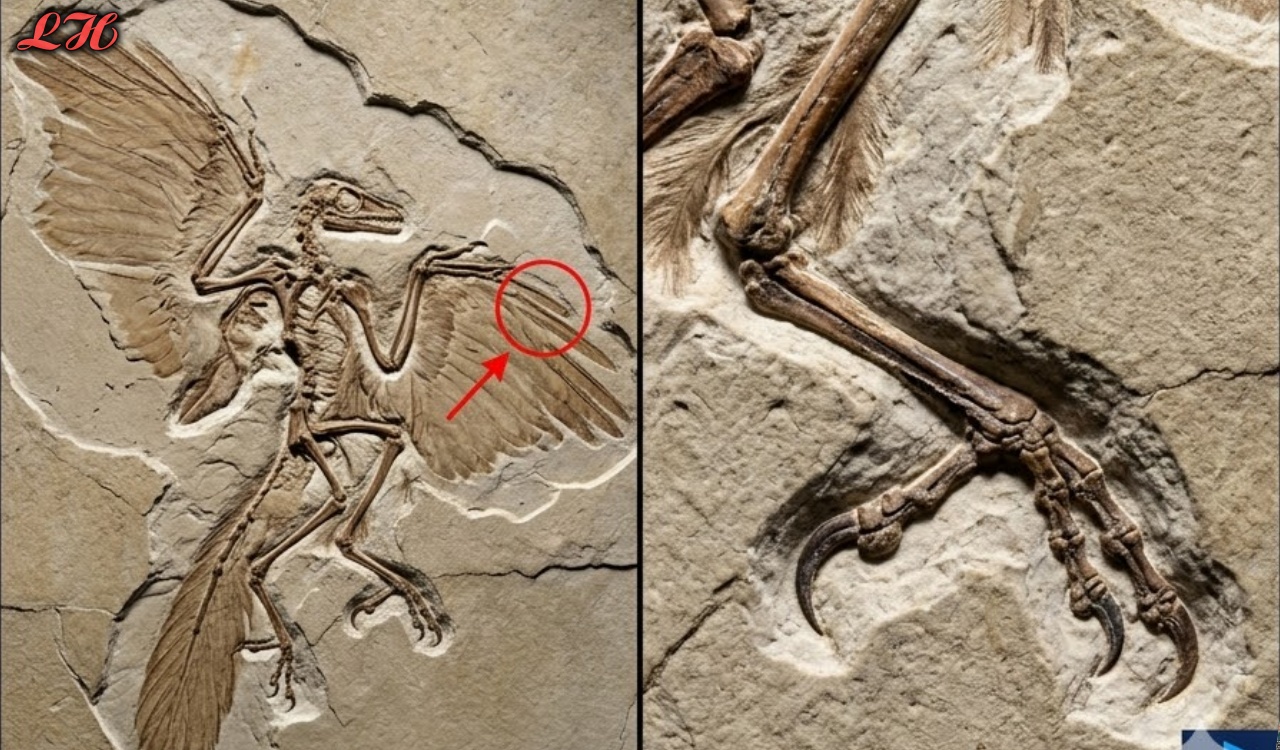
The hands and feet preserve skin impressions and joint details showing a versatile lifestyle: the third digit remained mobile for grasping branches, while other digits were bound for flight stability. This combination confirms Archaeopteryx was a capable climber that could also take to the air, spending time both on the ground and in trees.
Housed at the Field Museum, this “Chicago Archaeopteryx” transforms our understanding of the dinosaur-to-bird transition. After 150 million years, the most perfect specimen of the most famous fossil bird finally shows how flight truly began.