🚨 “HE WAS SUPPOSED TO BE SAFE”: The Preston Davey Case That Left a Nation Asking How Every Warning Sign Was Missed
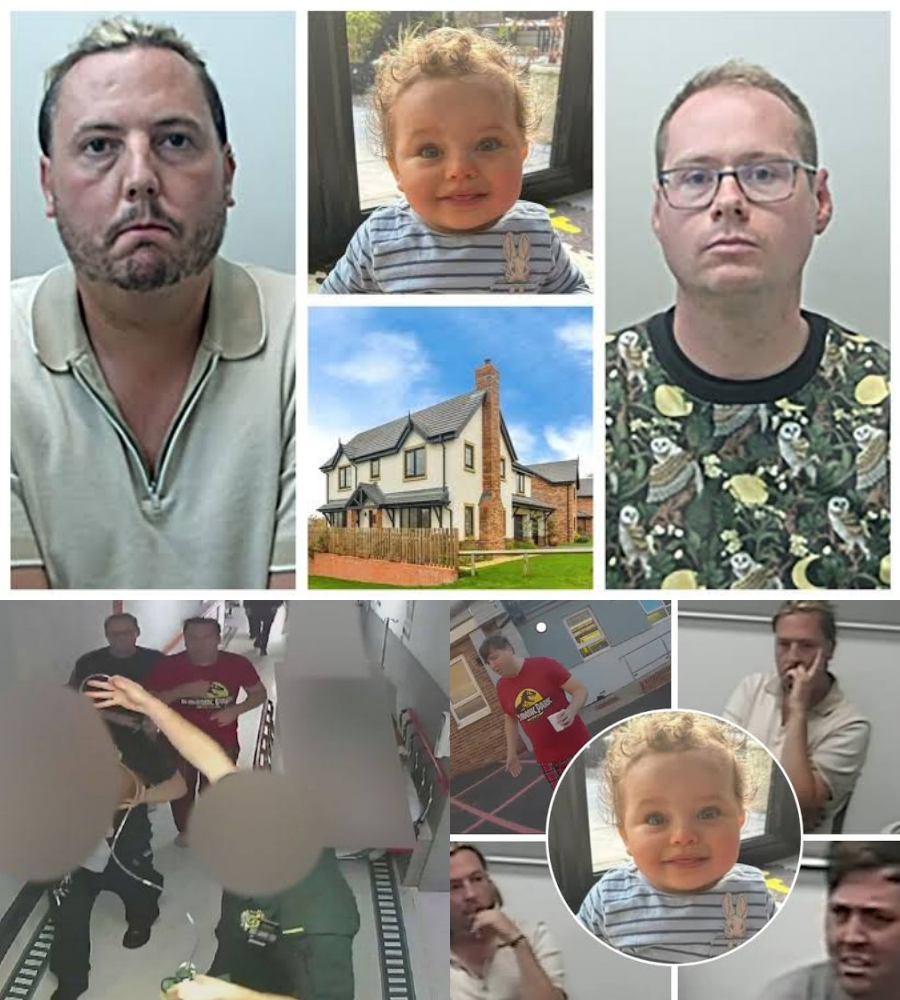
What was meant to be the beginning of a loving new chapter instead became one of the United Kingdom’s most heartbreaking child protection cases—raising difficult questions about safeguarding, accountability, and whether earlier intervention could have changed the outcome.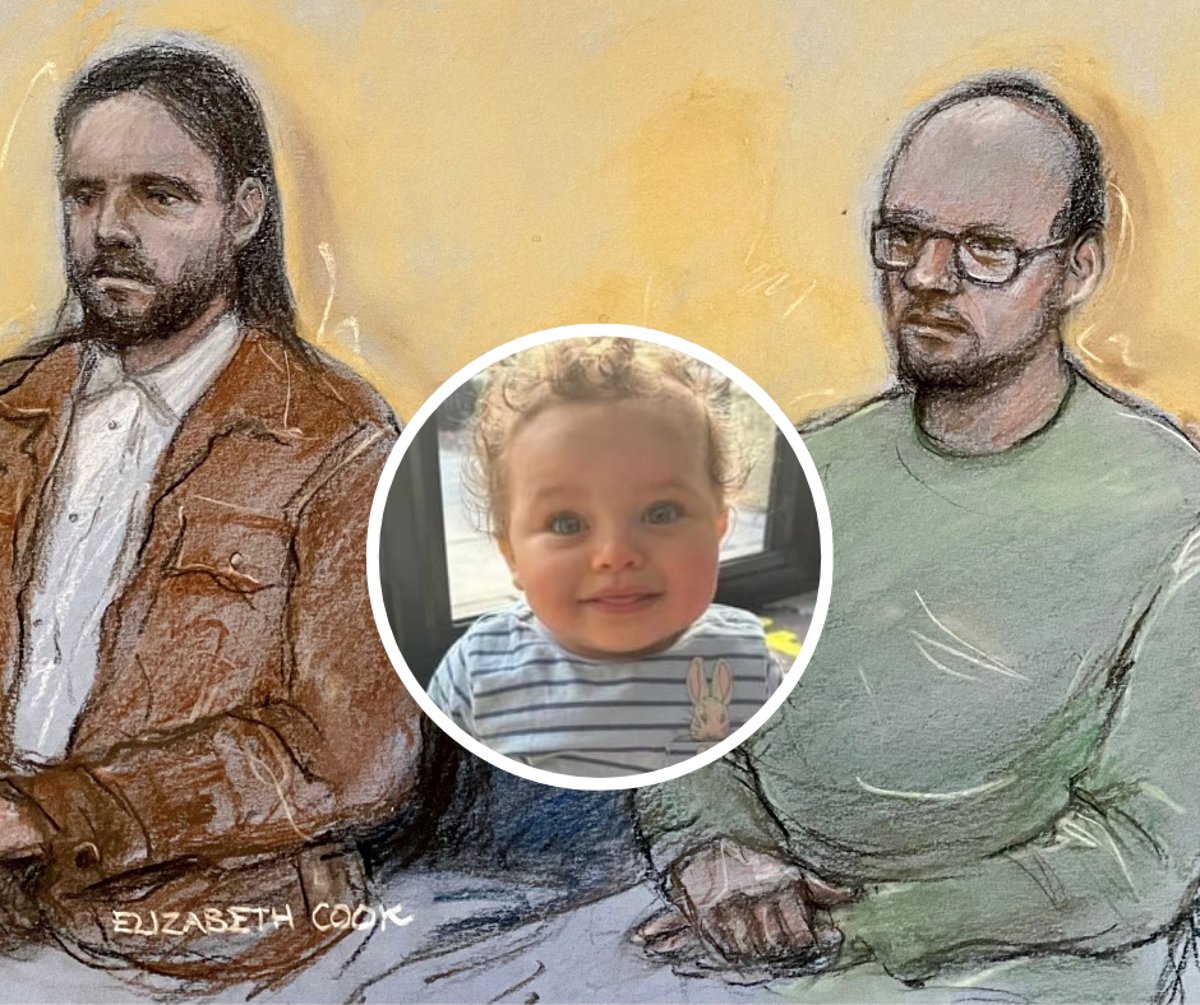
The case of 13-month-old Preston Elijah Davey continues to resonate across the country, not only because of the devastating loss of a young child, but because of the wider questions it has prompted about how vulnerable children are protected after entering the adoption process.
A Healthy Beginning That Changed in Just Four Months
According to Lancashire Police, Preston was born on 16 June 2022 and entered emergency foster care only five days later.
For approximately the first nine months of his life, professionals described him as a healthy, happy, and thriving baby.
In March 2023, an adoption panel approved his placement with prospective adopters Jamie Varley and John McGowan-Fazakerley. Preston spent his first night in their home on 31 March 2023.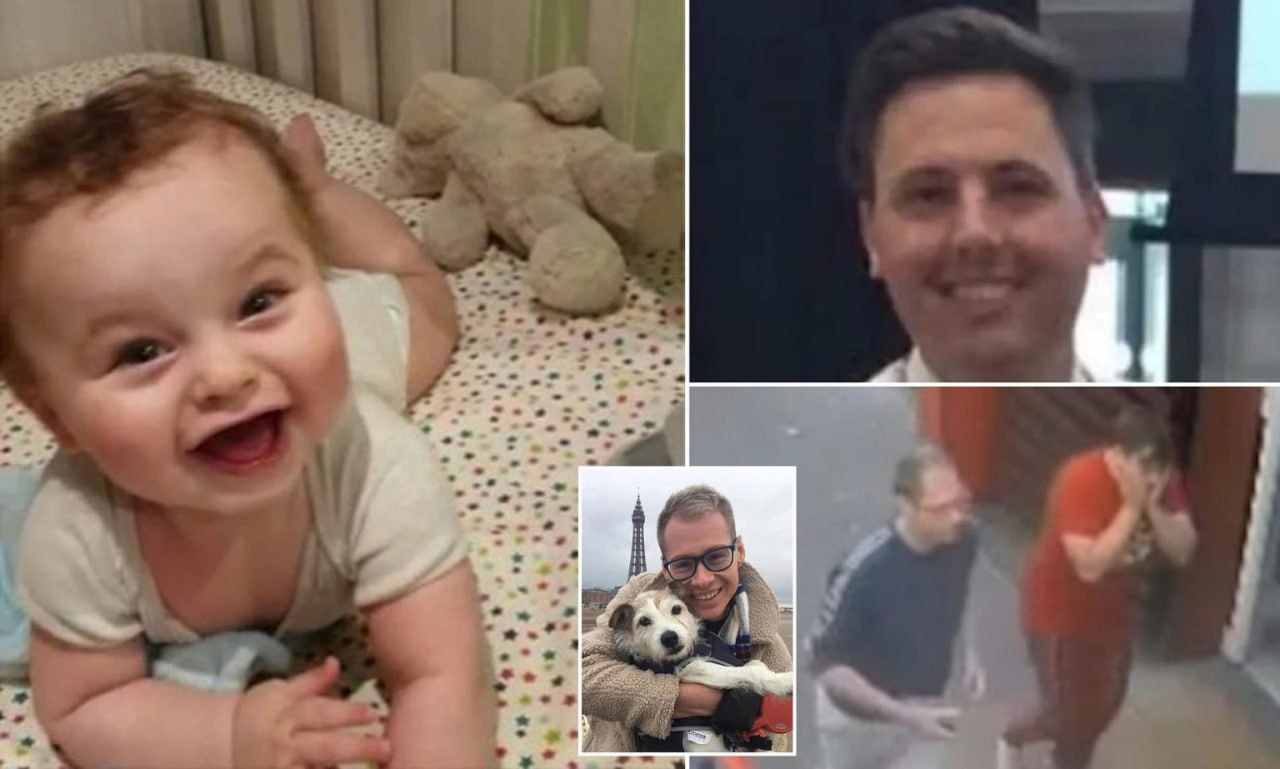
Investigators later stated that every criminal offence proven during the trial occurred during the brief four-month period between that placement and Preston’s death on 27 July 2023.
The dramatic change over such a short period has become one of the most disturbing aspects of the entire case.
The Story Investigators Say Didn’t Match the Evidence
When Preston was taken to Blackpool Victoria Hospital, he was unconscious and in cardiac arrest.
Despite emergency efforts by medical staff, he could not be saved.
During the investigation, Jamie Varley claimed the child had accidentally drowned in the bath.
However, prosecutors argued that extensive forensic evidence did not support that explanation.
Medical experts concluded that Preston died from acute upper airway obstruction, findings that the prosecution said were consistent with smothering or an object being forced into his mouth.
Jurors also heard evidence that reportedly contradicted the drowning account, including observations that Preston’s hair was dry, he was still wearing a nappy, and no medical findings supported the claimed accident.
Those forensic findings ultimately became one of the central pieces of evidence presented during the trial.
More Than Forty Injuries Revealed
According to the Crown Prosecution Service, Preston had suffered more than 40 separate injuries during the final months of his life.
The injuries presented in court reportedly included trauma involving his mouth, throat, bowel, bladder, and a healing fracture to his left arm that experts determined was non-accidental.
The prosecution also presented expert medical evidence relating to injuries that investigators said were consistent with Sєxual ᴀssault occurring shortly before his death and during the preceding weeks.
The evidence formed a significant part of the prosecution’s case and was considered alongside extensive forensic analysis and digital evidence recovered during the investigation.
Phone Evidence Became a Turning Point
Investigators recovered material from Jamie Varley’s mobile phone that prosecutors said played a critical role in establishing what had occurred inside the home.
According to the Crown Prosecution Service, the phone contained pH๏τographs and videos that documented Preston’s injuries and evidence that supported charges relating to child cruelty.
Police also examined messages in which Varley reportedly told others he was struggling to cope with caring for the child.
Investigators further highlighted an incident in May 2023 involving a 999 emergency call that ended after only a few seconds before the household later stated it had been placed by mistake.
While no single event determined the outcome of the investigation, prosecutors argued that the collection of forensic evidence, medical findings, witness testimony, and digital records created a consistent picture that ultimately persuaded the jury.
Court Delivers Its Verdict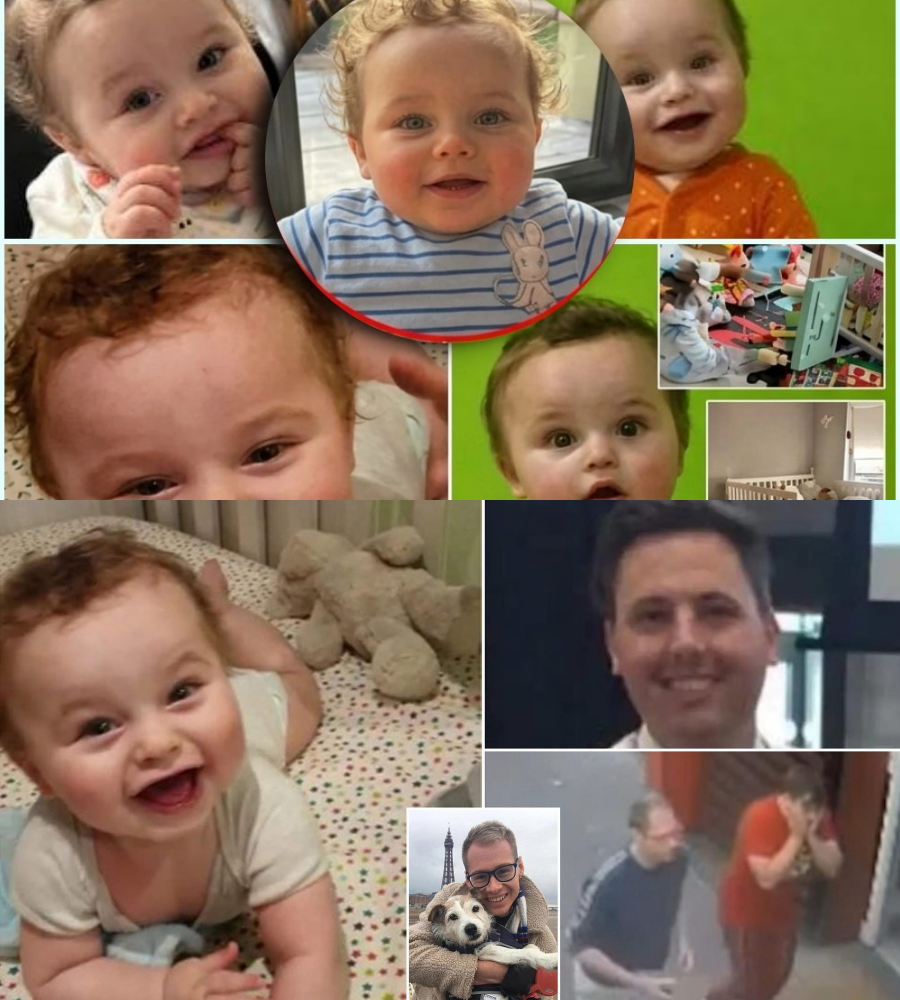
Following a lengthy trial at Preston Crown Court, Jamie Varley was convicted of murder, child cruelty, Sєxual offences, and offences involving indecent images connected to Preston.
John McGowan-Fazakerley was convicted of allowing the death of a child, child cruelty, and Sєxual ᴀssault.
On 18 June 2026, the court imposed a whole-life order on Varley, meaning he will never become eligible for parole.
McGowan-Fazakerley received a 25-year prison sentence.
The sentences marked the conclusion of the criminal proceedings, but they also intensified nationwide discussion about how such abuse was able to continue without earlier intervention.
Focus Turns Toward the Child Protection System
Attention has now shifted beyond the courtroom to the agencies responsible for safeguarding vulnerable children.
Reports indicate Preston had contact with professionals on multiple occasions before his death and had been taken to hospital several times, including once with a broken arm.
Following the completion of the criminal case, a Child Safeguarding Practice Review resumed to examine how agencies handled Preston’s care and whether opportunities to identify risks were missed.
England’s Children’s Commissioner, Rachel de Souza, described the circumstances as a “mᴀssive safeguarding failure” and called for careful examination of the decisions made throughout the adoption process.
The review is expected to consider communication between agencies, ᴀssessment procedures, and whether additional safeguards could help prevent similar tragedies in the future.
A Case That Continues to Raise Difficult Questions
For many observers, Preston’s story has become about more than criminal convictions.
It has prompted wider discussion about the importance of listening to early warning signs, maintaining effective oversight, and ensuring that every concern involving a vulnerable child receives careful attention.
While the criminal court has reached its verdict, the safeguarding review continues as authorities seek to understand whether lessons can be learned to strengthen child protection systems going forward.
The confirmed facts remain deeply sobering:
A baby described as healthy and happy entered what was expected to be a permanent family home.
Just four months later, he had lost his life.
The criminal investigation resulted in convictions, substantial prison sentences, and an ongoing national examination of safeguarding procedures.
For many across the United Kingdom, Preston Davey’s case remains a powerful reminder that protecting vulnerable children requires constant vigilance, thorough oversight, and timely action whenever concerns emerge.