Alabama Shelter Cruelty Case Ends With Maximum Sentence, Sparking National Conversation on Animal Welfare
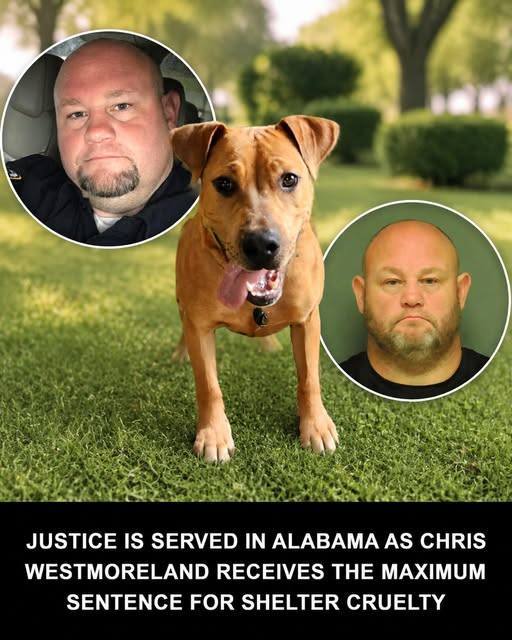
A major animal welfare case in Alabama has captured national attention after former shelter director Christopher Westmoreland received the maximum allowable sentence following his conviction on aggravated animal cruelty charges.
The sentencing, handed down by Jennifer Weems on May 8, 2026, is being described by many advocates as a landmark moment for accountability within animal shelters and rescue systems.
For countless animal welfare supporters, the case became about far more than one individual. It evolved into a national conversation about transparency, humane treatment, ethical oversight, and the responsibility entrusted to those who care for vulnerable animals.
Former Shelter Director Sentenced to Maximum Penalty
According to court reports, Christopher Westmoreland was convicted on charges connected to inhumane euthanasia practices that allegedly involved hundreds of animals during his tenure at the Calhoun County Animal Shelter.
Judge Jennifer Weems sentenced him to 10 years for aggravated animal cruelty, with additional penalties related to practicing veterinary medicine without a license. Court records also imposed strict conditions preventing him from working with or living around animals in the future.
Prosecutors argued during the trial that animals were subjected to procedures that violated accepted euthanasia standards and caused unnecessary suffering. Witnesses, including former shelter employees and veterinary professionals, testified about disturbing practices allegedly carried out inside the facility.
The case deeply shocked both local communities and animal welfare organizations across the country.
Testimony That Disturbed the Courtroom
Throughout the trial, jurors heard emotional testimony from former employees who described witnessing animals allegedly undergoing euthanasia procedures while still conscious. Several witnesses stated they had been instructed to participate in practices they later learned violated professional standards.
Expert testimony explained that certain euthanasia methods should only be performed on animals that are fully anesthetized or unconscious because the procedures can otherwise cause severe pain.
One particularly emotional portion of the trial involved testimony about a dog named “Mr. Wobbles,” whose euthanasia experience prosecutors described as traumatic and inhumane.
For many people following the proceedings, the testimony highlighted the emotional and ethical responsibility carried by shelters entrusted with animal care.
Why This Case Matters to Animal Welfare Advocates
Animal shelters are intended to be places of safety, compᴀssion, rehabilitation, and humane treatment for abandoned or vulnerable animals.
Because of that, advocates say allegations of abuse within a shelter environment feel especially devastating.
“These animals were already vulnerable,” one shelter reform supporter said following the verdict. “They depended entirely on the people responsible for protecting them.”
The case also exposed broader concerns surrounding shelter oversight, staff training, accountability procedures, and mental health support for employees working in high-stress animal care environments.
Experts note that euthanasia in overcrowded shelters is already emotionally difficult work even when performed correctly and humanely. That reality has intensified calls for better education, certification enforcement, and external monitoring systems nationwide.
Many advocates believe the Westmoreland case may become a turning point in how animal shelters are supervised moving forward.
A Landmark Moment for Accountability
Supporters of the sentencing argue that the ruling sends a powerful message: positions involving vulnerable animals carry enormous responsibility, and abuse of that responsibility can bring serious legal consequences.
For years, many activists have argued that cases involving animal cruelty inside insтιтutional systems often fail to receive adequate attention or punishment.
This sentence, they say, represents a rare moment where accountability was fully pursued through the legal system.
“This case gave a voice to animals who could not speak for themselves,” prosecutors reportedly stated after the conviction.
Animal welfare organizations across social media also described the ruling as a reminder that authority or job тιтles should never shield individuals from scrutiny when abuse allegations arise.
Calls for Shelter Reform Continue Growing
In the aftermath of the case, many rescue advocates are now pushing for stronger safeguards within shelters nationwide, including:
- Improved euthanasia training and certification requirements
- Independent inspections and oversight systems
- Better transparency with shelter records and procedures
- Mental health support for shelter employees
- Clear reporting protections for whistleblowers
Supporters believe these changes are necessary not only to prevent cruelty but also to rebuild public trust in shelters and rescue organizations.
Because for many families, shelters represent hope — places where abandoned animals are supposed to receive care, safety, and compᴀssion during some of the most vulnerable moments of their lives.
Justice for Animals Without a Voice
The emotional reaction surrounding the case reflects a growing cultural shift in how society views animal welfare and cruelty cases.
For decades, many forms of abuse toward animals were dismissed or treated as low-priority offenses. Today, however, public awareness around humane treatment has grown significantly.
Advocates say that change matters because animals often cannot escape dangerous situations or report mistreatment themselves.
That is why cases like this resonate so deeply.
To many people, the sentencing of Christopher Westmoreland represents more than punishment for one former shelter director.
It represents a statement that cruelty should never be hidden behind authority, silence, or closed doors.
And for those who have spent years fighting for stronger protections in animal welfare systems, this moment feels like an important step toward justice — not only for the animals involved in this case, but for countless others who still depend on humans for compᴀssion and care.