Aileen Wuornos Could Not Consent. The Living People Around Her Could, and Some Refused.
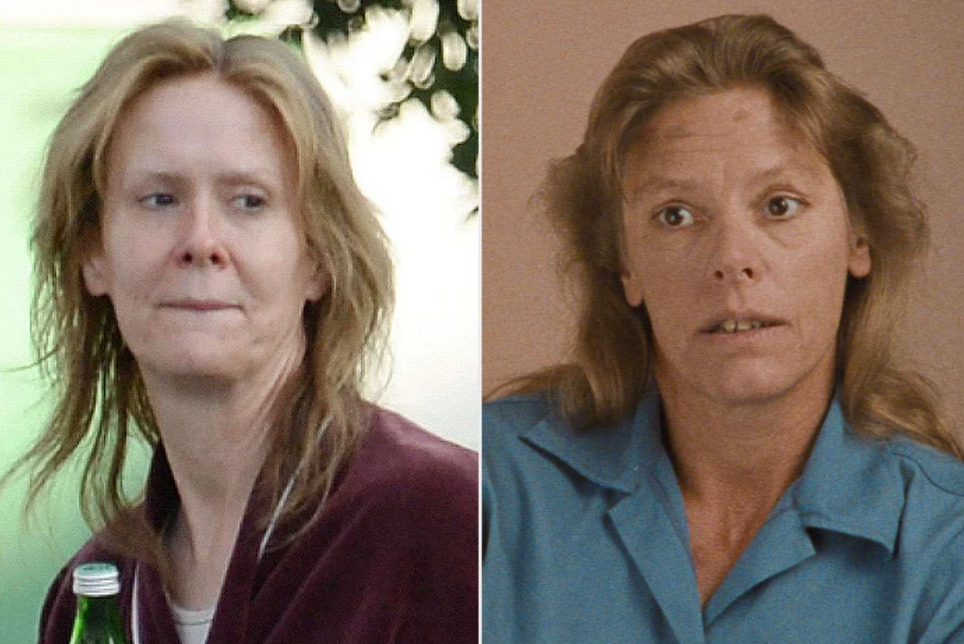
The argument around Unmasking a Monster: Aileen Wuornos is not only that Investigation Discovery used a new tool. It is that the tool places a ᴅᴇᴀᴅ woman’s face, and the faces of living people tied to her case, onto actors in a genre already accused of turning real harm into spectacle. Arrow Media and ID say they wrote the limits as carefully as they built the capability. Jason Sarlanis has said the network knew these tools, used improperly, could and should warrant pushback, which is why the guidelines took as much time as the technology. Stephen Dost has described four rules: consent from the real people and from the actors; no use of the tech where consent was unavailable; nothing invented, with scenes tied to transcripts, police records, and interview memory; and transparency through interviews and behind-the-scenes material.
The second rule is the one the series makes visible. Childhood friend Dawn Botkins, defense attorney Steven Glazer, and investigators Brian Jarvis and David Taylor are among those whose performers wear a digital mask, and the production says it obtained consent from the real individuals and the actors. Tyria Moore, Wuornos’ former girlfriend, did not participate, so her likeness was not replicated. The series prompts viewers when generative visual effects are not in use. Undercover investigator Mike Joyner died after giving an interview. Because consent for a digital likeness was not available, the production used an actor who resembled him and did not apply the AI mask. Amended releases covered living people whose likenesses were used. Wuornos, executed in 2002, is the person who cannot sign. The producers place the ethical weight there on sourcing, on not inventing her words, and on disclosing the mask.
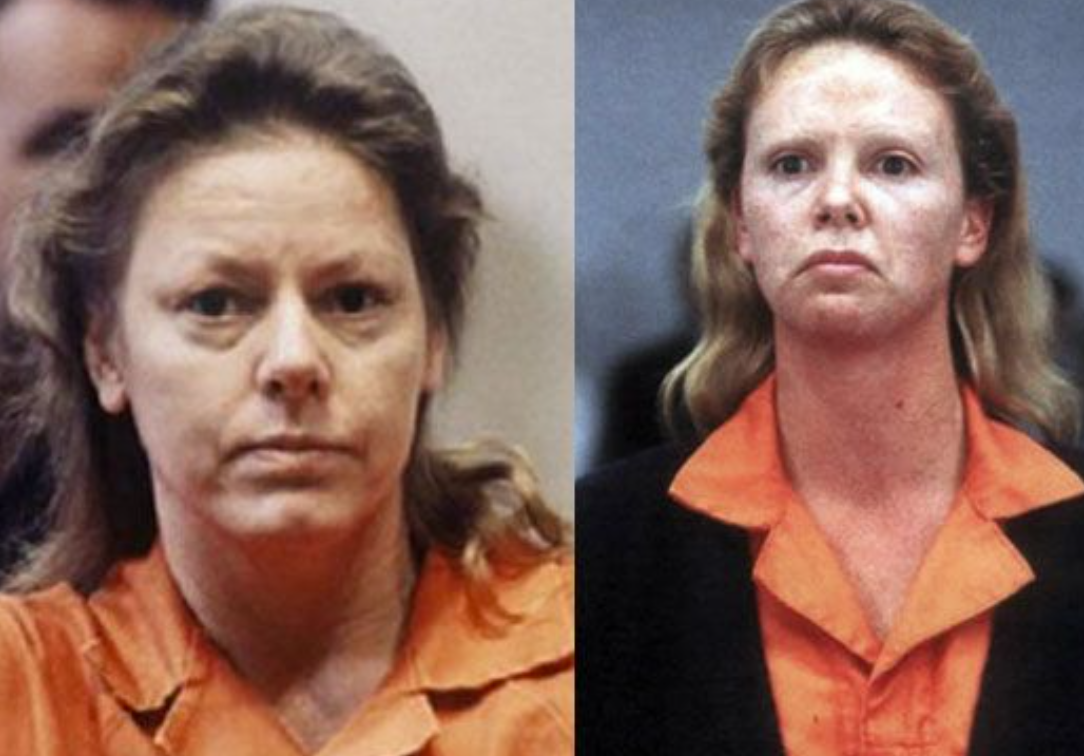
Dost has also tried to separate Wuornos’ reconstructed face from the synthetic-performer debate. He told USA Today he would draw a clear line between this process and an AI actor such as Tilly Norwood, which he called awful, because that project is trying to replace actors and people do not want actors replaced. His line is that AI cannot act alone. It can take something real and transform it.
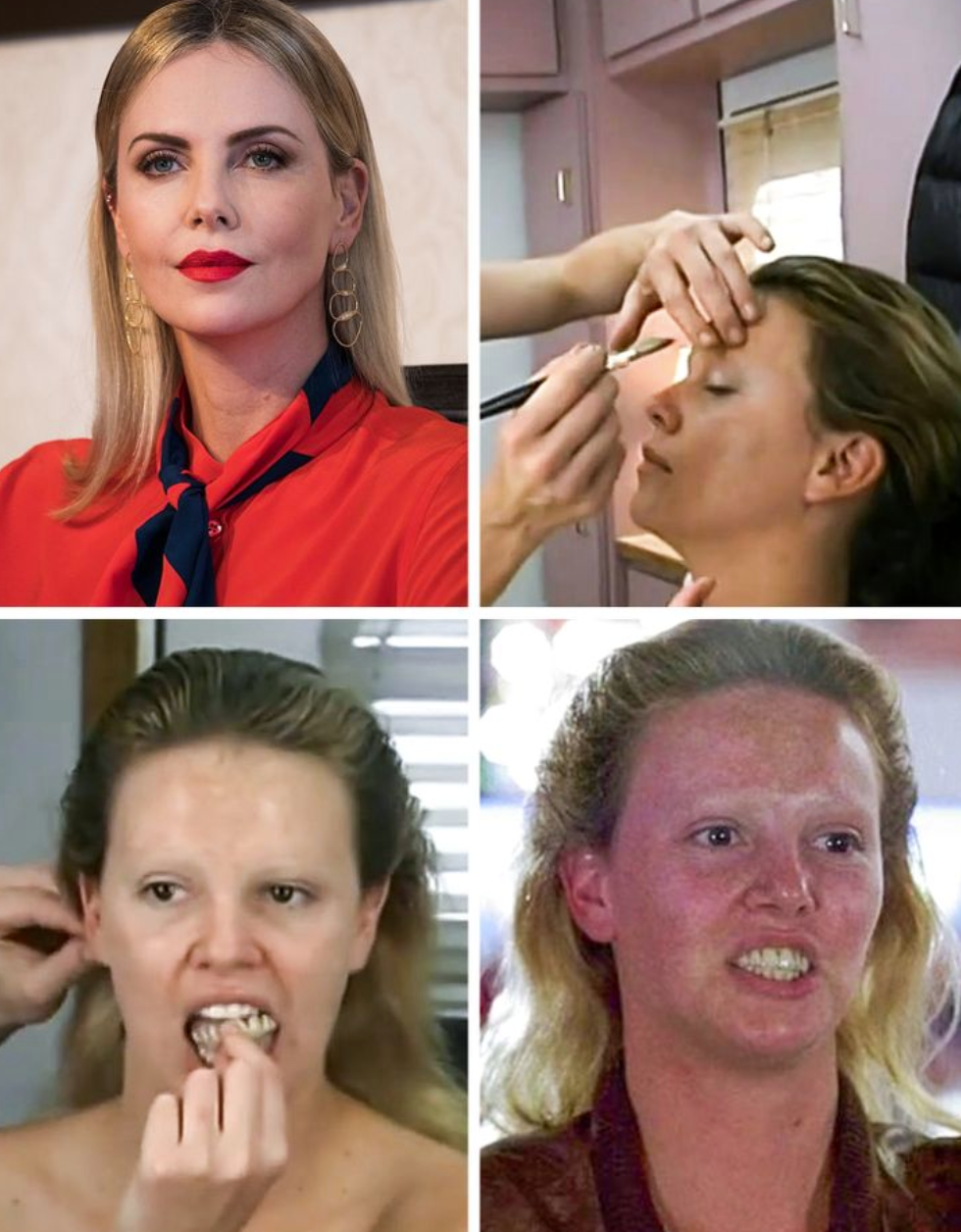
Sarlanis has called the documentary handcrafted even though one of the tools is AI, and he has acknowledged uncanny moments, including digitally masked characters meeting real actors and archived pH๏τographs of people in the story that appear to awaken into a smile or a laugh. Critics already have precedents: the 2021 documentary Roadrunner drew backlash for using AI to clone Anthony Bourdain’s voice, and other true-crime projects have used AI for anonymization. ID’s answer is that this is a visual layer on a documented performance, disclosed, consented where the person is alive, and slow on purpose. Dost has said anyone who claims AI speeds production up is wrong. Done this way, it slows the work by a lot. The ethical pᴀss, in his telling, took three years, and Aileen Wuornos was the reason they were willing to spend them.