What the Jackson County grand jury actually decided about Horn Island, and what it deliberately left open
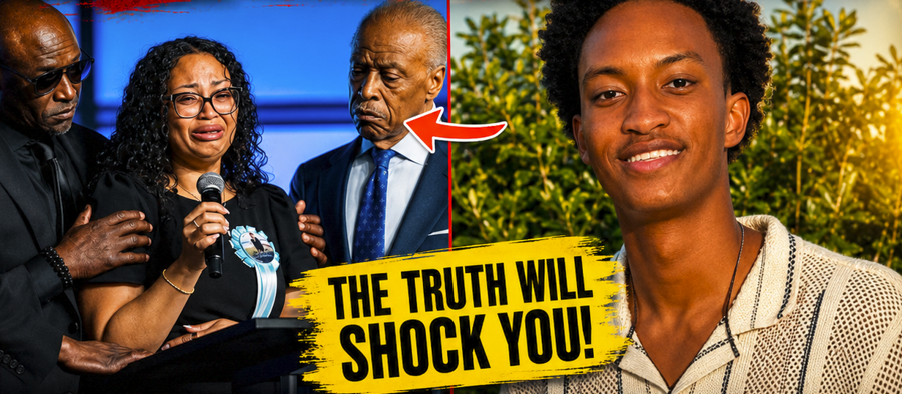
The document that was supposed to end the Nolan Wells case did not describe a witnessed death. It described a body, a shoreline, a timeline and an absence of proof. Late on September 21, 2026, Jackson County District Attorney Angel Myers McIlrath released the report of a 23-member grand jury that had returned a no true bill, meaning no one would be indicted. ABC News, Fox News, the Miami Herald and the New York Post all led with the same line: the position, condition, time of discovery and location of the 18-year-old’s body were consistent with drowning, and there was no credible evidence that anyone who rode to or from Horn Island that day had committed a crime connected to his death. The jury had reviewed sworn testimony from the family’s pathologist, a forensic examination of the phone, sheriff’s office materials, videos, images, maps and GPS. It heard 43 witnesses. It did not claim to have watched him die.
Wells, a Black college football player from Ocean Springs, had gone to Horn Island on July 4 with friends on a holiday that drew a large, young crowd to an uninhabited barrier island. He was last seen alive that afternoon. The boat he arrived on developed a bilge-pump and motor problem, took on water, was towed a short distance, and went back to the mainland without him. Friends said he had stayed to return with others. His mother reported him missing after an 11 p.m. call. His body was recovered on July 6. In the weeks between the recovery and the grand jury, the case became a national argument about race, about whether he had been the only Black person in the group, and about whether the investigation was being steered toward an accident. The report answered several of those claims directly and called others false. Wells was not the only Black person on the island that day. The grand jury said false ᴀssertions had produced misidentification, speculation and rumors. It named the allegation of racial targeting against specific friends, including Warren Hudson, Jax Pitalo and Morgan Seymour, as not supported. McIlrath said there was absolutely no evidence the death and disappearance were racially motivated. The jury also found that Wells was not in a fight or an argument on July 4, that the head bruise was not fatal, and that his phone was not the only phone left on a boat.
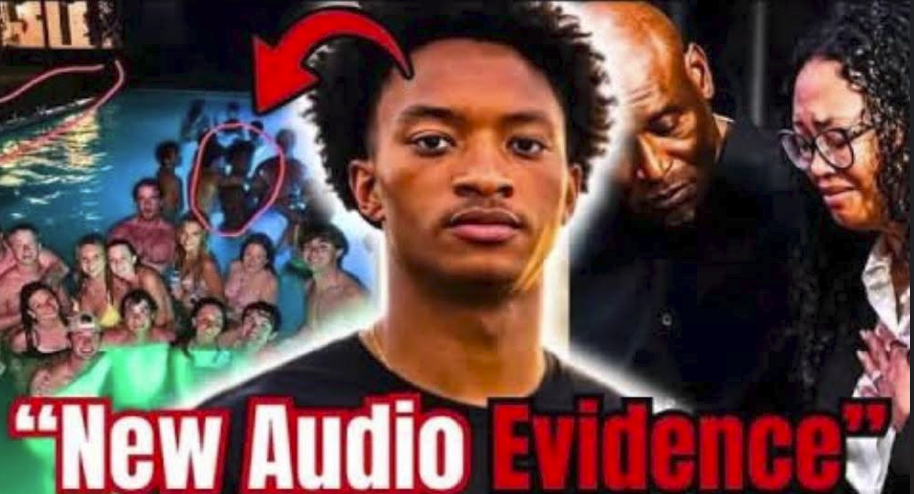
What the report did not do is replace the autopsy. The state medical examiner and the independent examiner both left cause and manner undetermined and called drowning a diagnosis of exclusion. The New Yorker pointed out that the jury’s “consistent with drowning” language is not the same as a medical determination that he drowned. Mississippi Today noted that the parents heard the findings as a lack of clarity rather than a conclusion. Crump said officials were trying to close the case without the truth. The report also sat beside a summer of threats that had nothing to do with the evidence and everything to do with the online version of the case. A man from Sacramento was arrested after threatening messages. A woman from Ohio was arrested over bomb threats. Men from Illinois and Florida were arrested over threats against witnesses. The FBI was involved. Friends of Wells launched a fundraiser in August after they said they had been harᴀssed. The family had already raised hundreds of thousands of dollars and held a march in Gulfport and a vigil on August 19, the day Wells would have turned 19.

The grand jury’s confidence on one point is easy to miss. Jurors said a July 5 search of Horn Island would have found the body if it had been on the island during that search. That finding matters because it narrows when he entered the water, or at least when his body reached the place where the ranger found it. It does not say who was with him, whether he went in alone, or why a strong young athlete ended up at the northwest end of an island his friends had already left. A no true bill is a decision about criminal charges. It is not a narrative of the last hour of his life. On that hour, the report is explicit about what it could not prove and quiet about what it could not see.
Source: New York Post