Wade Wilson’s Death Sentence Appeal Could Reach the U.S. Supreme Court
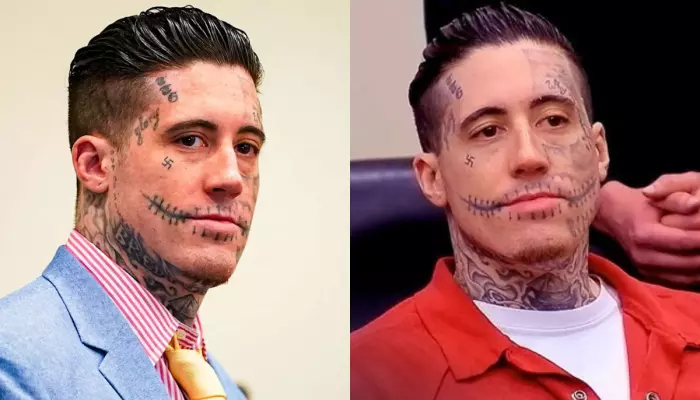
Wade Wilson’s legal battle over his death sentences took another step forward in February 2026, when his attorney told the Florida Supreme Court that the case could ultimately be taken to the U.S. Supreme Court.
Wilson, who was convicted of killing Kristine Melton, 35, and Diane Ruiz, 43, in Lee County in 2019, is not challenging the underlying murder convictions in this appeal. Instead, his defense is challenging the consтιтutionality of the death sentences imposed after juries recommended capital punishment by less than unanimous votes.
A Florida jury found Wilson guilty of two counts of first-degree murder in June 2024. In August of that year, a judge sentenced him to death for both killings. The jury recommended death by a vote of 9-3 for Melton’s murder and 10-2 for Ruiz’s murder.
The issue at the center of the appeal involves a change to Florida’s death-penalty law. In 2023, the state changed its sentencing rules so that a jury could recommend a death sentence with at least eight of 12 jurors voting in favor, rather than requiring a unanimous recommendation.
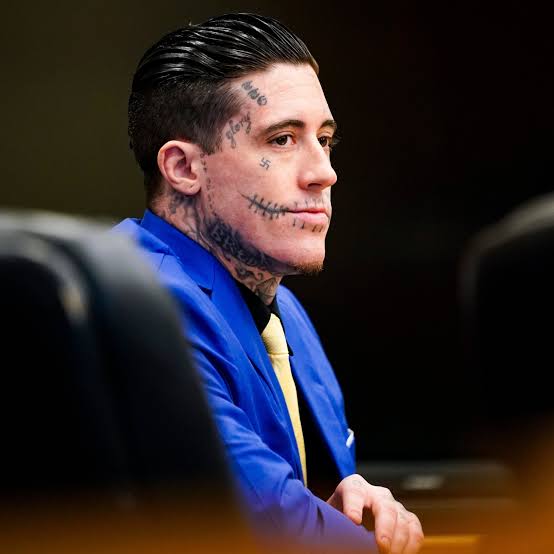
Because Wilson’s crimes occurred in 2019, his attorneys argued that applying the newer standard to his case violated both the Florida and U.S. consтιтutions. The defense also pointed to Florida law restricting the retroactive application of statutes affecting criminal punishment.
The Florida Supreme Court had already considered the consтιтutionality of the 2023 law in other cases. During the February 5 hearing, Wilson’s attorney Michael Ufferman acknowledged that precedent and chose not to repeat arguments that had already been rejected. Instead, he told the justices that the defense wanted to preserve its consтιтutional arguments for a potential peтιтion to the nation’s highest court.
The Florida Supreme Court subsequently upheld the lower court’s ruling. The brief hearing therefore did not change Wilson’s two death sentences, but his attorney’s comments opened the possibility of another stage in the appeal process.
Florida’s official appellate docket identifies the case as Wade Steven Wilson v. State of Florida, case number SC2024-1345. The case is classified as a mandatory death-penalty appeal and remains listed as an open case in the Florida Supreme Court system. The docket also shows that Wilson’s appellate representation changed in May 2026, when the court granted a motion allowing co-counsel Laurel Cornell Niles to withdraw.

Wilson’s death sentences stem from two killings that occurred on October 7, 2019. Prosecutors said Wilson killed Melton after meeting her in Fort Myers and later encountered Ruiz while she was walking to work. Ruiz’s body was discovered several days later. Wilson was arrested and subsequently prosecuted in Lee County.
The trial lasted several years after his arrest and included extensive evidence about the circumstances surrounding the killings and Wilson’s background. During the penalty phase, defense experts presented evidence intended to support mitigation, including testimony concerning possible neurological and cognitive issues. State witnesses disputed some of those conclusions. The sentencing judge ultimately determined that the aggravating circumstances outweighed the mitigating evidence and imposed two death sentences.
The appeal is therefore focused on a specific legal question rather than a retrial of the evidence surrounding the murders. Wilson’s attorneys are seeking to challenge whether Florida could consтιтutionally apply the newer non-unanimous jury standard to crimes committed before the law was changed.
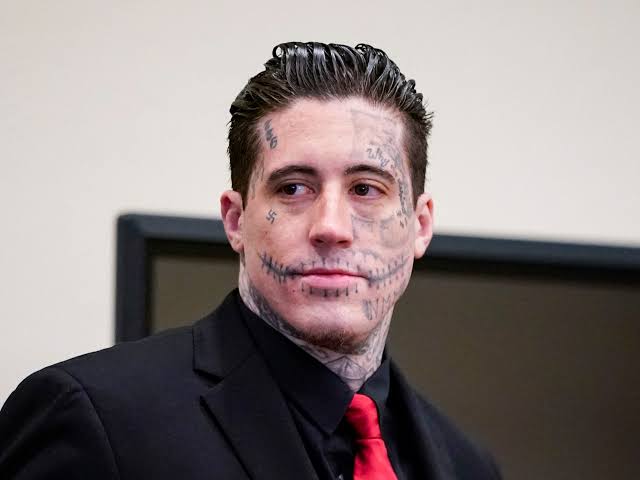
If the defense proceeds to the U.S. Supreme Court, it would need to file a peтιтion asking the justices to review the consтιтutional issue. The Supreme Court has discretion over whether to hear such peтιтions, so an attorney’s intention to seek review does not mean the Court will ultimately take the case.
For now, Wilson remains under two death sentences in Florida. His Florida Supreme Court appeal has not resulted in those sentences being overturned, and the official state docket continues to list the case as open. The next significant development would depend on further action by his legal team and whether any subsequent federal review is sought.
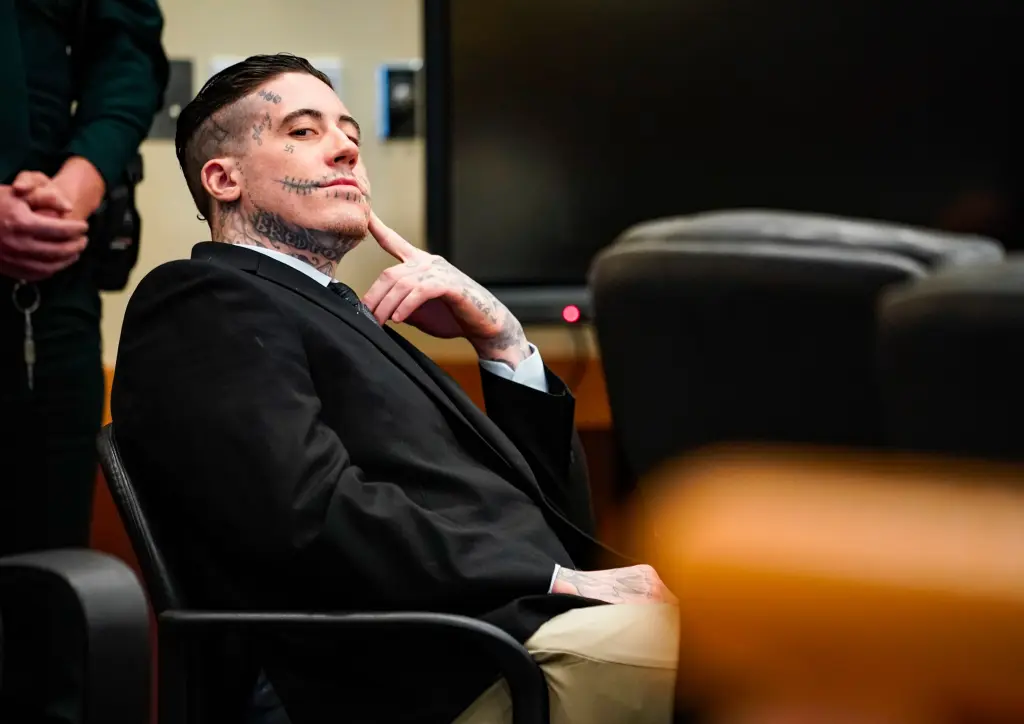
The case has also received renewed public attention in 2026 following documentaries and other coverage of Wilson’s crimes and legal proceedings. But the current appeal remains centered on the death-penalty procedure and the consтιтutional questions surrounding Florida’s 2023 sentencing-law change.
As the legal process continues, the distinction between Wilson’s convictions and his death sentences remains important. His February appeal did not seek to overturn the convictions for the two killings; it challenged the legal basis for imposing the death penalty under the sentencing rules used in his case. His attorney’s decision to preserve those consтιтutional arguments leaves open the possibility of further proceedings beyond Florida’s highest court.
Sources: Court TV.