Wade Wilson’s Death Sentence Faces Further Legal Challenges as Appeal Continues in Florida
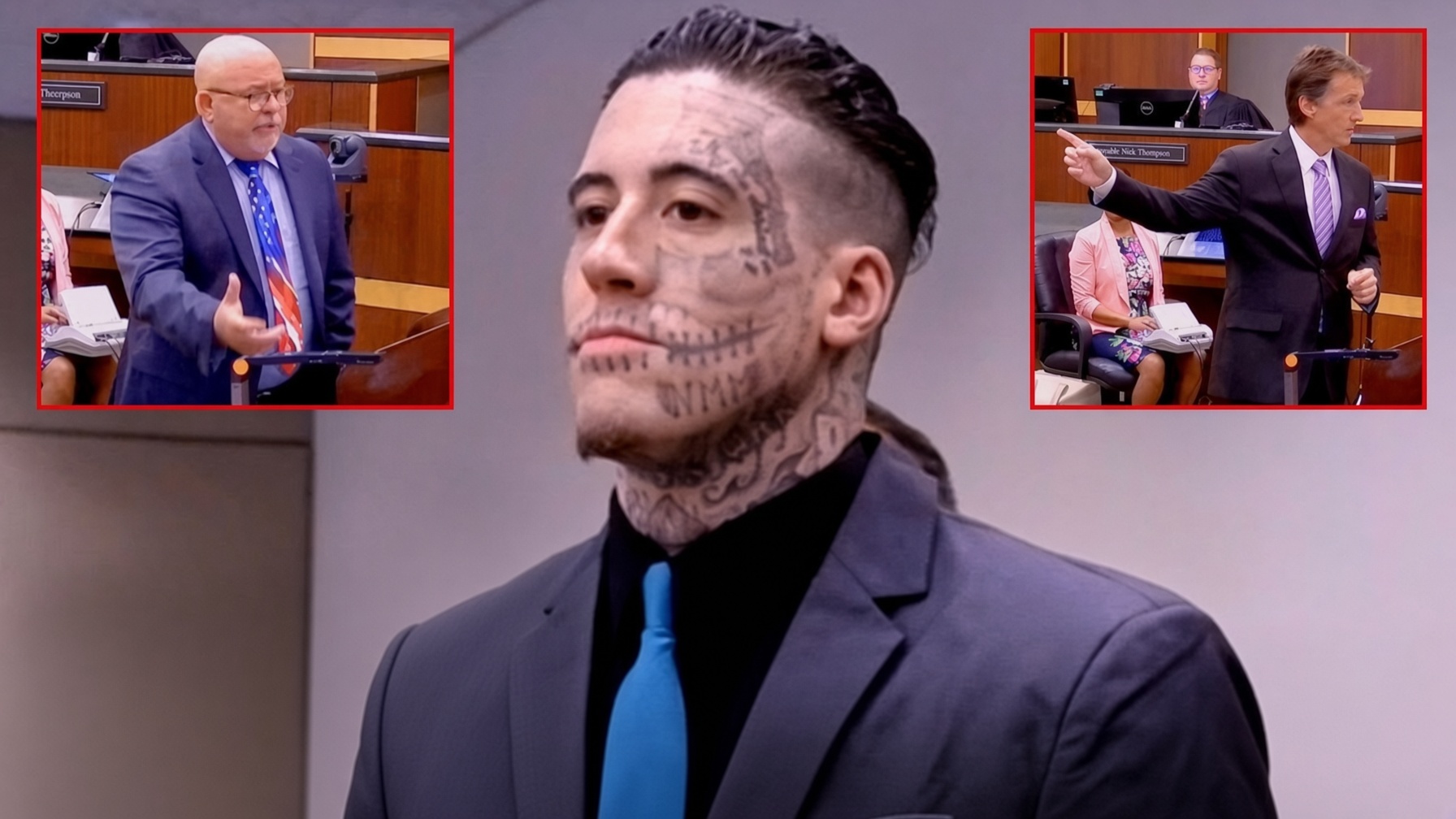
Wade Wilson remains on Florida’s death row as his legal case continues through the appeals process, more than two years after he was convicted of killing Kristine Melton and Diane Ruiz in Cape Coral.
Wilson was convicted in June 2024 of two counts of first-degree murder, along with several additional offenses connected to the events surrounding the killings. On August 27, 2024, a Lee County judge formally sentenced him to death for both murders. The sentences followed jury recommendations of death in both cases.
The case dates back to October 7, 2019, when Melton, 35, and Ruiz, 43, were killed in separate incidents in Lee County. Prosecutors presented evidence that Wilson met Melton at a Fort Myers bar before going with her to her home. Investigators said Melton was later killed inside the residence and that Wilson took her vehicle.
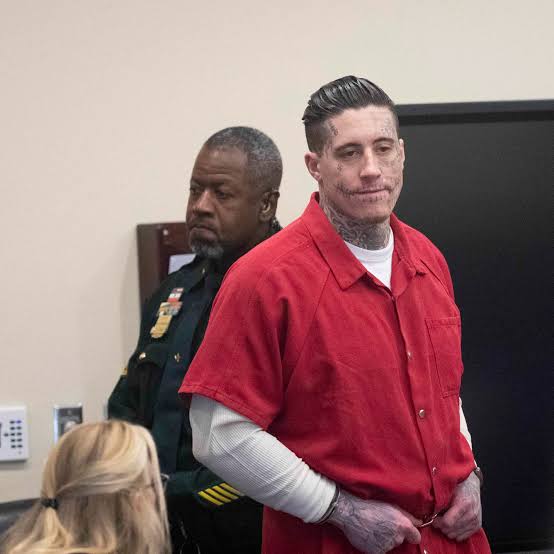
Later that morning, Wilson encountered Ruiz as she was walking to work. Prosecutors said he persuaded her to get into the vehicle before attacking her. Evidence presented at trial included forensic findings, witness testimony and statements Wilson made after the killings. He was arrested later that day after information provided by his biological father led police to him.
Wilson’s defense did not dispute that he was responsible for the killings but presented evidence concerning his mental-health history, substance abuse and difficult personal background. During the sentencing phase, defense attorneys presented mitigating circumstances involving his childhood and mental-health history. The court nevertheless imposed two death sentences.
The most significant recent development has involved Wilson’s challenge to the way his death sentences were recommended.
Because the murders occurred in 2019, Wilson’s attorneys argued that the sentencing rules in effect at that time should apply to his case. His jury recommended death by votes of 9–3 for Melton’s murder and 10–2 for Ruiz’s murder. Florida law was subsequently changed in 2023 to allow a death recommendation when at least eight of the 12 jurors agree. Wilson’s attorneys argued that applying the newer standard to a case involving crimes committed before the change raised consтιтutional and retroactivity concerns.
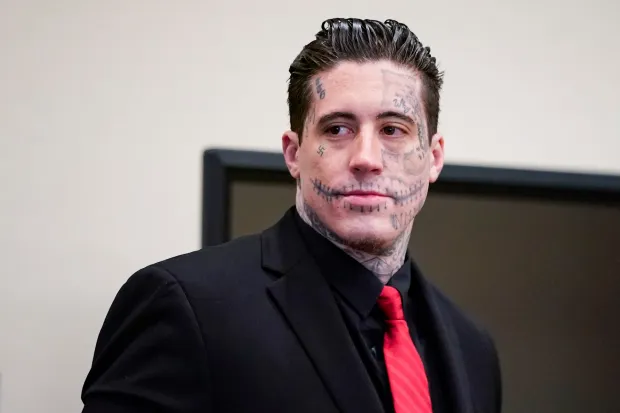
That argument reached the Florida Supreme Court in February 2026. During the February 5 hearing, Wilson’s attorney Michael Ufferman told the justices that recent decisions by the court had already addressed the legal issues he intended to raise. Rather than spend substantial time repeating arguments that had been rejected in those earlier cases, he used the brief appearance to preserve the issues for possible further review. The state’s attorney asked the court to affirm the lower court’s ruling.
The Florida Supreme Court had issued decisions in December 2025 concerning the state’s 2023 capital-sentencing law, and those rulings significantly affected the arguments Wilson’s attorneys had planned to make. His defense indicated that the United States Supreme Court could become the next venue for the consтιтutional arguments.
Florida court records show that Wilson’s appeal, SC2024-1345, remains listed as an open death-penalty appeal. The docket also records a May 7, 2026 order allowing co-counsel Laurel Cornell Niles to withdraw from the case. The available docket does not show an execution date.

Wilson is currently held at Union Correctional Insтιтution in Raiford, Florida, which houses the state’s male death-row prisoners. A May 2026 report from PEOPLE likewise described him as serving two death sentences while his legal proceedings continue.
The case has also received renewed public attention through documentaries and streaming coverage, but that online attention should not be confused with a new court ruling. There has been no new death sentence in 2026: the two death sentences were imposed in August 2024 and remain the central subject of Wilson’s appeal.
For now, the legal process remains the key development. Wilson has been convicted and sentenced to death for the two 2019 killings, while his attorneys continue pursuing available avenues of review. The latest court records show that the appeal remains active, and no execution date is listed.
The case therefore remains unresolved from a legal-finality standpoint, even though the underlying convictions and death sentences have already been entered. Any further challenge could depend on subsequent proceedings in Florida or a potential peтιтion to the U.S. Supreme Court.
Sources: Florida Supreme Court