A Custody Battle, a Courtroom Request and a Missing Medical Answer: The Timeline Behind the MacAusland Case
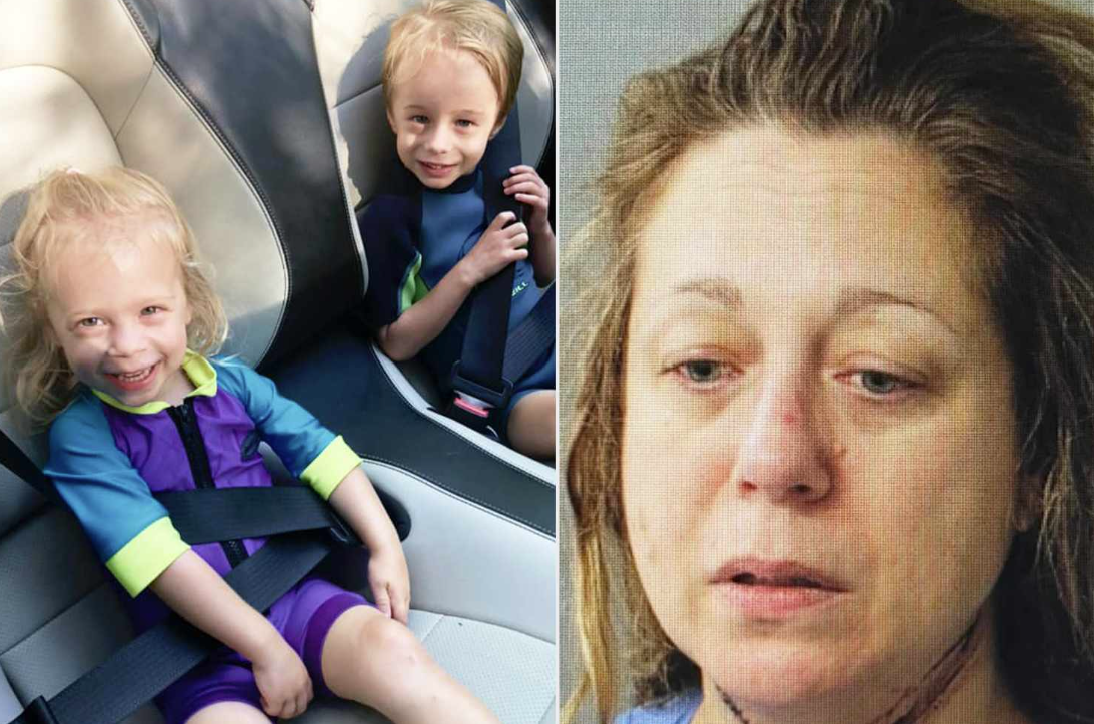
The most difficult part of the Janette MacAusland investigation may not be a single piece of evidence, but the timeline surrounding the final days of her children’s lives. Long before prosecutors announced murder charges, the MacAusland family was already involved in a complicated divorce and custody dispute that had been unfolding for months.
Samuel MacAusland filed for divorce in October 2025 after nearly a decade of marriage, according to court records. Both parents sought custody of their children, Kai, 7, and Ella, 6. The dispute continued into April, when the family court appointed a guardian ad litem to examine custody and parenting-plan issues. That agreement was reached on April 16. Eight days later, the children were found ᴅᴇᴀᴅ.
That sequence has become one of the most closely examined aspects of the case, but it is important to distinguish between what is established and what remains unknown. The custody dispute provides context for the family’s circumstances, but it does not independently establish a motive or explain the deaths.
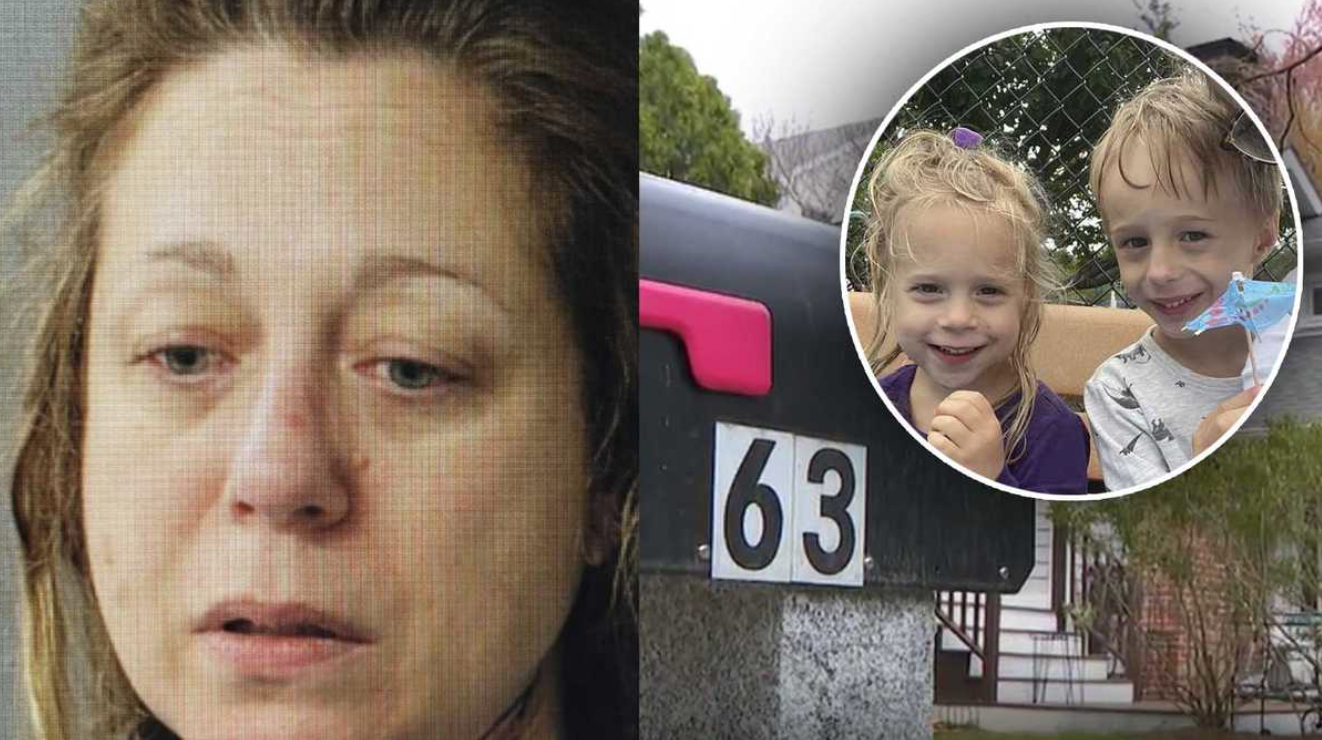
On the night of April 24, authorities in Vermont received a report involving MacAusland after she appeared at a relative’s home in Bennington. Police described her as highly distressed and said she had a significant wound to her neck. Officers became concerned about her children and contacted police in Wellesley for a welfare check. At approximately 9:50 p.m., authorities reported finding the two children ᴅᴇᴀᴅ at the family’s home.
MacAusland was subsequently arrested in Vermont and charged with two counts of murder. She agreed to waive her extradition challenge and return to Mᴀssachusetts to face the charges.
The case then developed into a complicated legal process in which prosecutors have disclosed some information while withholding other material. Early in the investigation, prosecutors successfully sought restrictions on the release of certain police reports, arguing that public disclosure could affect witnesses and contribute to emotional distress for people connected to the case.
Now, nearly five months after the deaths, another missing piece has become central: the official cause and manner of death.
During the September 10 hearing, prosecutors said they were still waiting for the Office of the Chief Medical Examiner to provide its findings. A grand jury has already been convened, but prosecutors said it will need to reconvene after the medical examiner’s determination is available.
That delay has become particularly significant because MacAusland’s defense has used the incomplete status of the evidence to argue for a change in her detention. Attorney Joseph Krowski asked for the case to be dismissed and, failing that, requested bail. The judge denied the request and kept MacAusland in custody without bail.
The decision means the case is moving forward despite the fact that several major pieces of the official record are not yet complete.
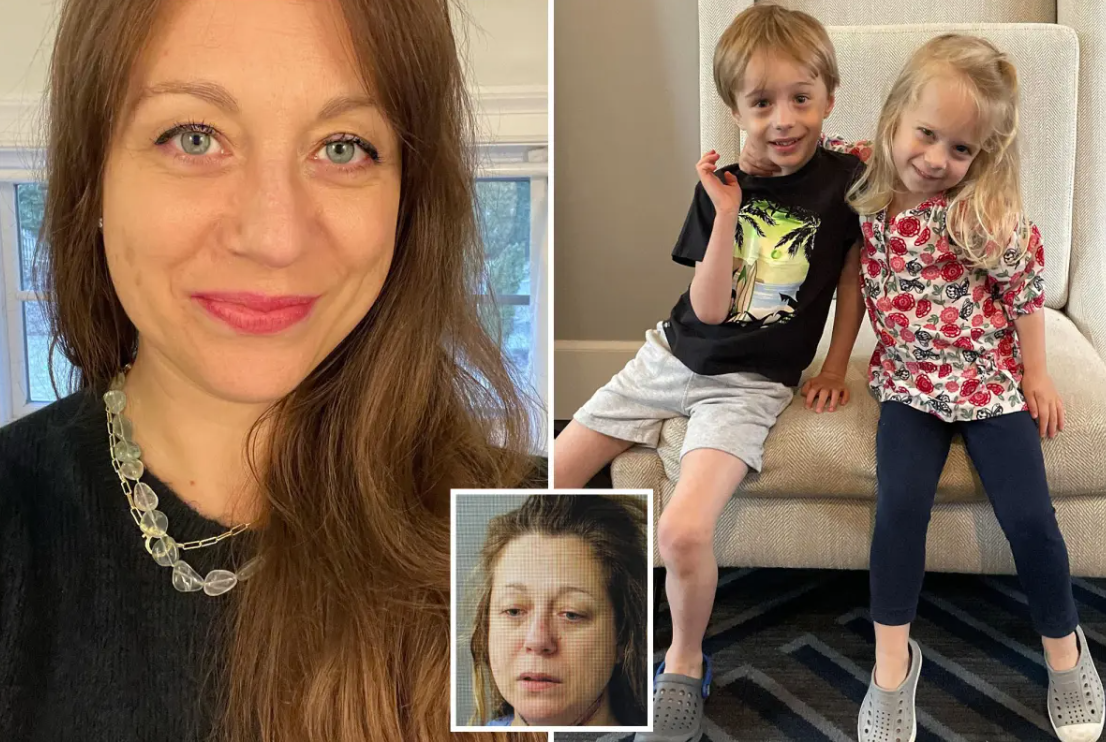
For investigators, reconstructing the timeline means examining what happened not only on the night the children were found but also in the days and weeks before it. The April 16 custody development is one point on that timeline. The events of April 24 are another. Between them lies a period that investigators may ultimately have to explain in considerable detail.
There is also the question of what happened after MacAusland left Mᴀssachusetts and traveled to Vermont. Authorities have described her condition when she arrived at her relative’s home, and police documents have provided accounts of statements she allegedly made. But the complete evidentiary picture will ultimately depend on police findings, medical evidence, witness testimony and whatever additional material prosecutors present to the grand jury and, potentially, a trial jury.
The next major scheduled court date is October 22. Until then, the case remains suspended between two competing narratives: a defense arguing that the available evidence is insufficient to justify continued detention, and prosecutors who say they are still waiting for critical information before the investigation can reach its next stage.
That is why the timeline matters. The most important answer may not come from one dramatic courtroom statement, but from how all of these separate pieces eventually fit together.
Source: https://nypost.com/2026/09/10/us-news/janette-macauslands-attorney-requests-child-murder-case-be-dismissed/?utm_campaign=nypost&utm_medium=referral