Florida Did Not Just Find 163 Missing Children. It Followed Them Into Six States, Twelve Countries, and Three Felony Cases — Then Had to Admit the Cases Were Not One Story
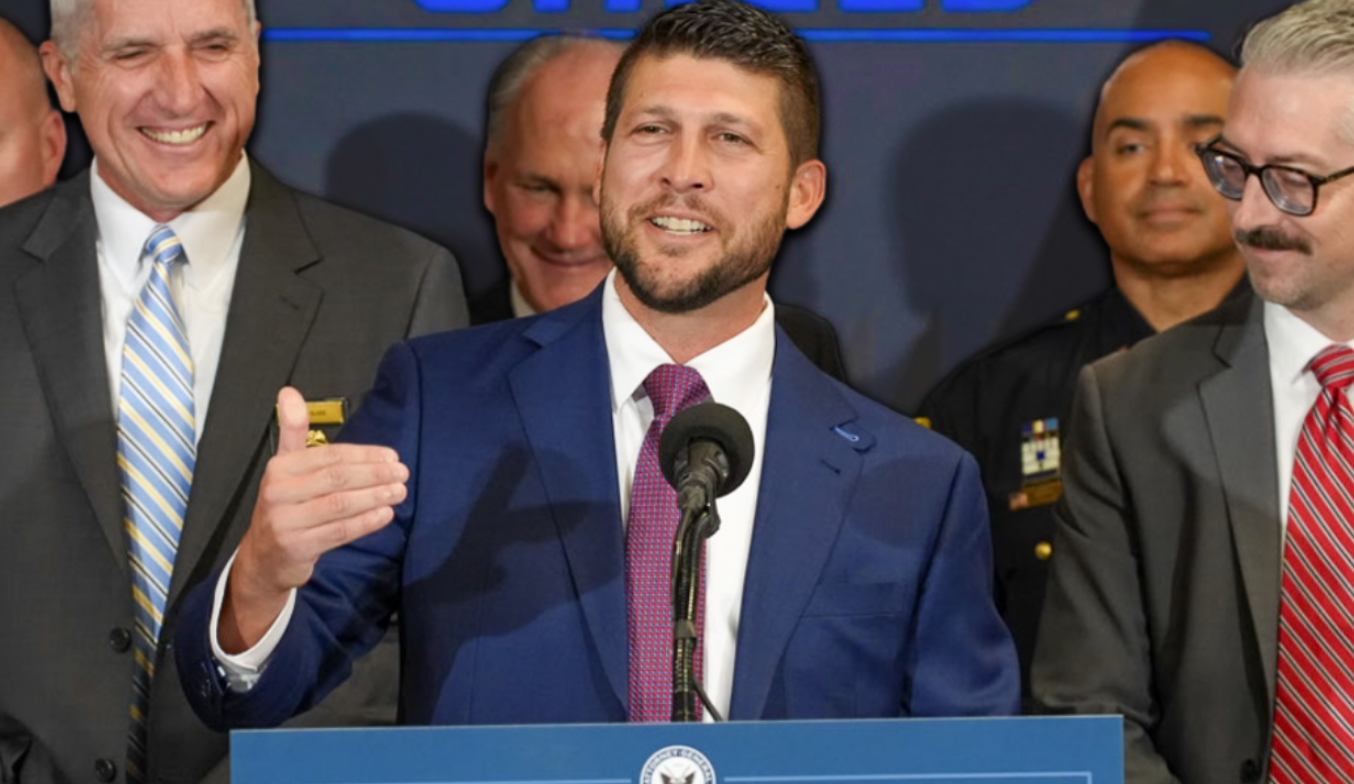
The number that left Tampa on August 25 was clean enough to travel: 163 children, two months old to seventeen, recovered in five days. Operation Statewide Shield ran from August 17 to August 21 as Florida’s first statewide child-recovery initiative and, officials said, the largest operation of its kind in the state’s history. What the number hid, and what Attorney General James Uthmeier said out loud when pressed on why the children were missing, is that the 163 were never one case. Relatives in custody fights. Foster homes that failed. Neglect that produced runaways. Drugs. Pimps. Trafficking rings. “Really all of the above,” he said. “It’s a pretty sad situation.” That sentence is the operation’s real map. The public was given a statewide shield. The investigators were given a pile of different disasters that happened to share an age and a missing-person file.
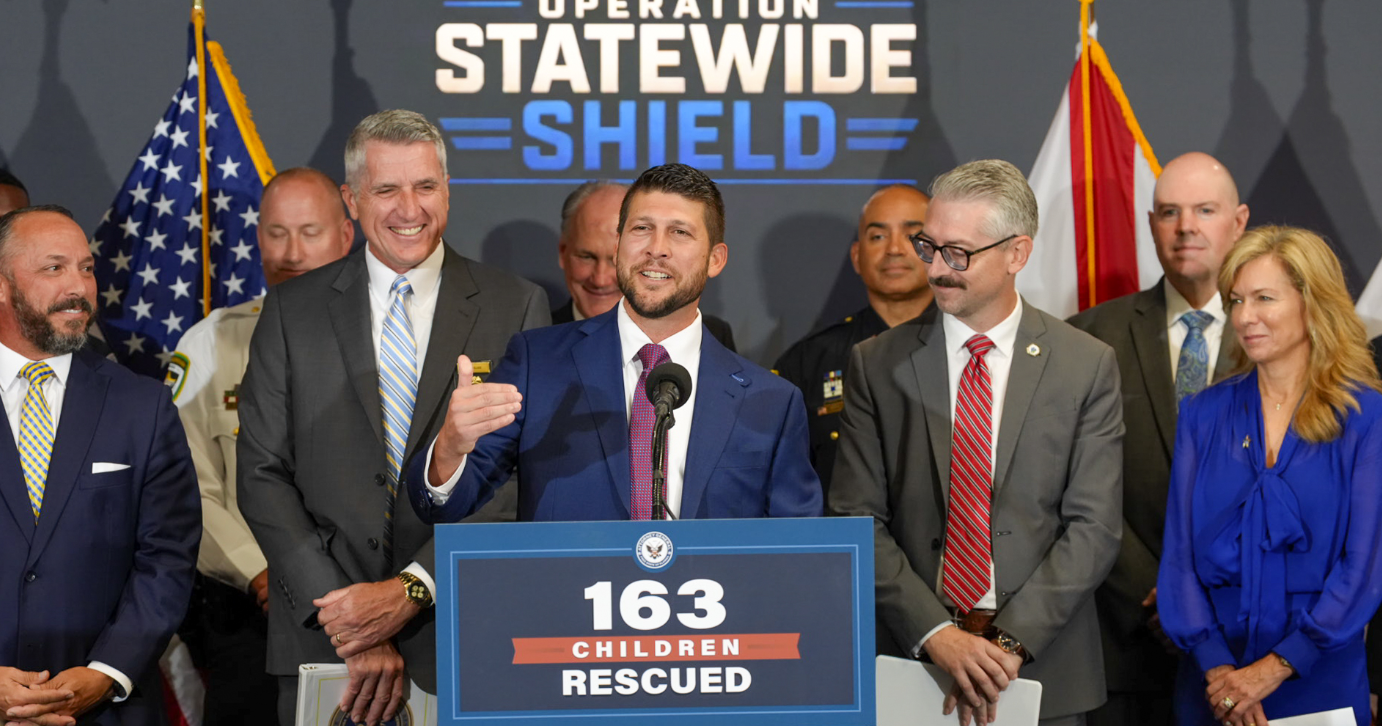
The geography was not a metaphor. Sub-operations were staged in Pensacola, Tallahᴀssee, Jacksonville, Orlando, Tampa, Fort Myers and Miami. Recoveries credited to those hubs were 46 in Tampa Bay, 41 in Miami, 32 in Jacksonville, 21 in Orlando, 12 in Fort Myers, 8 in Pensacola and 3 in Tallahᴀssee. The same push produced locations and recoveries in Alabama, California, Ohio, New York, North Carolina, Tennessee and Puerto Rico, and in Brazil, Canada, Colombia, Dominica, Finland, Ghana, Guatemala, Italy, Jamaica, Mexico, Spain and Taiwan. Officials did not publish a breakout showing how many of the 163 came from the out-of-state and international leads versus the seven Florida hubs; the headline figure is the statewide tally announced in Tampa. They did say the children were not all connected to a single trafficking organization. That warning is easy to skip past because it ruins the simpler story. A single ring would have produced a single villain, a single indictment package, a single narrative of rescue. Mixed cases produce mixed endings: a baby returned to a relative, a teenager entered into foster care, a custody warrant served on an adult who is not a stranger, a Sєx-crime file that will take years.
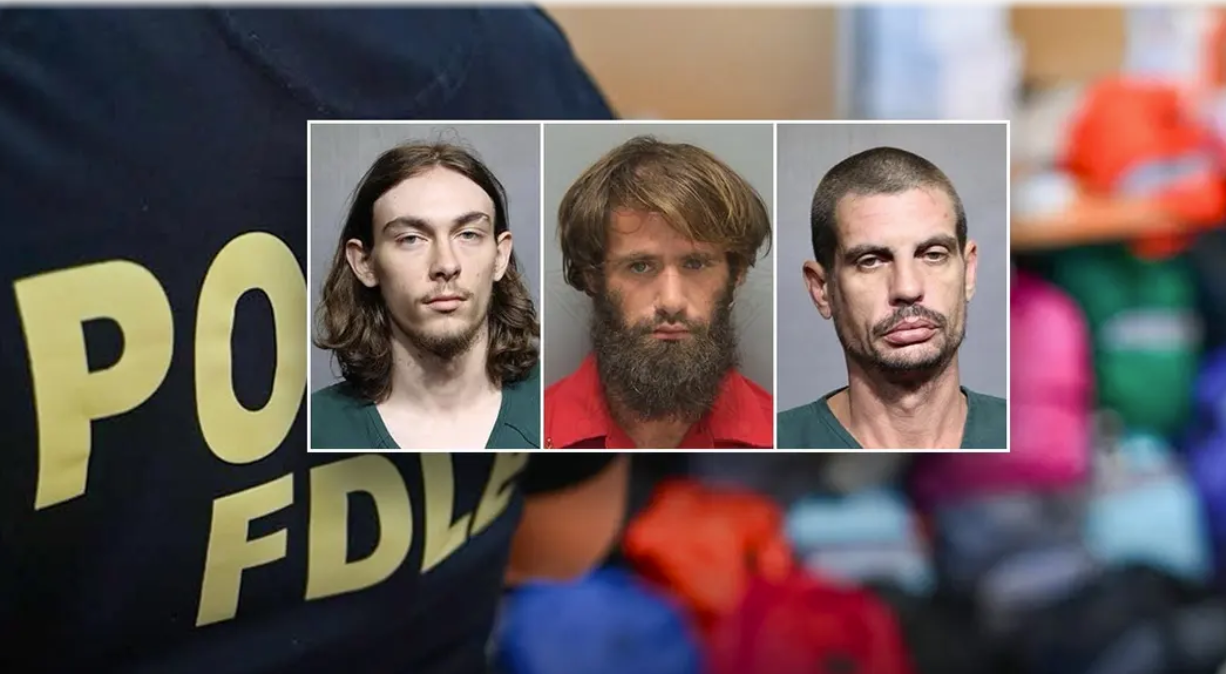
The arrests announced so far make the mix visible. Officials described multiple arrests and said more were expected. One defendant was wanted on three counts of lewd and lascivious acts with a minor and also had a warrant for interference with child custody. Another was charged with lewd and lascivious battery on a victim twelve to sixteen years old. A third faced interference in a child custody case and resisting officers without violence. The Office of Statewide Prosecution and the Miami-Dade State Attorney’s Office were identified as taking on felony cases tied to the operation. Those charges sit next to children who were never in a predator’s house. A runaway from a violent home and a toddler moved across a state line in a family fight do not generate the same charging document. They do generate the same press-conference total. That is why the operation’s organizers kept repeating that the work was built around real-time intelligence and field teams rather than one raid. There was no single door to kick. There were seven cities, a clearinghouse of missing-endangered reports, and a week of following names that had already been entered into a system that, until that week, had not produced a body in a safe room.
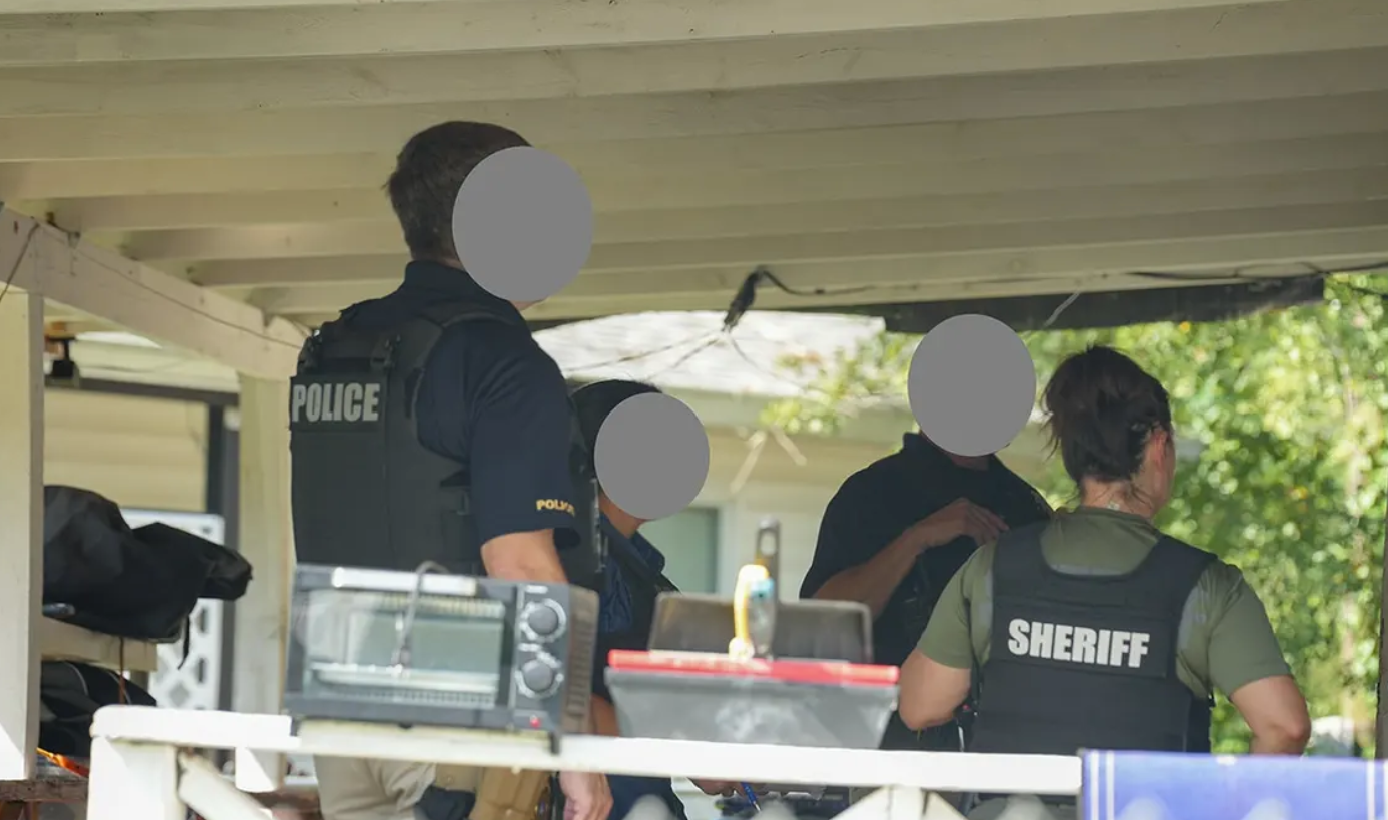
West Palm Beach Police said five children previously reported missing to that department were located during the sweep. Other local agencies supplied deputies, detectives and transport. Thirteen county sheriff’s offices were named among the participants, including Manatee, Sarasota, Jacksonville, Clay, Nᴀssau, Putnam, St. Johns, Flagler, Orange, Escambia, Hillsborough, Pasco and Pinellas, alongside municipal and federal partners. FDLE Tampa ran point with the Office of Statewide Prosecution, the Department of Children and Families, the Department of Juvenile Justice, BayCare, More to Life and the Florida Human Trafficking Victims Fund. Special Counsel to the Attorney General for Human Trafficking Rita Peters was identified as legal advisor. The partnership list is long because the caseload was long. One hundred sixty-three minors in five days is not a detective’s week. It is a logistics problem that happens to involve children who have already been failed at least once. Commissioner Mark Glᴀss called the result proof of collaboration and of a shared mission to find children and bring them home. The mission language is accurate as far as it goes. Home, in this operation, was not always the house they left. Sometimes it was a hub. Sometimes it was a relative. Sometimes it was the foster system. Every case was supposed to be logged into the Missing Endangered Persons Information Clearinghouse so the missing report could be closed on paper. Closing a report is not the same as closing a wound.
Source: BBC News