A Mask, a Eleven-Dollar Backpack, and DNA That Still Has Not Named Anyone

The most watched piece of evidence in the Nancy Guthrie case lasts only seconds and refuses to resolve. On February 10, 2026, the FBI and the Pima County Sheriff’s Department released stills and video recovered from residual data in Google Nest backend systems after the doorbell camera itself had been disconnected at 1:47 a.m. on February 1. The grainy footage shows a person in a ski mask and gloves approaching the front door of the Catalina Foothills house, trying to cover the lens, pulling plants from beside the stoop, and appearing to carry a holstered handgun at the waist and a black backpack with reflective straps.

Analysts described the figure as a male of average build, about 5-foot-9 to 5-foot-10. The backpack was identified as a 25-liter Ozark Trail Hiker Pack, a Walmart house brand that sold for about eleven dollars. Sheriff Nanos called it one of the most promising leads. Walmart turned over purchase records. Investigators reviewed store video. Clothes on the figure, including a zip-up fleece and ski mask, were also believed to have come from Walmart. Gloves collected in a two-mile search radius included one that appeared to match those on camera and yielded an unknown male DNA profile that was run through CODIS.
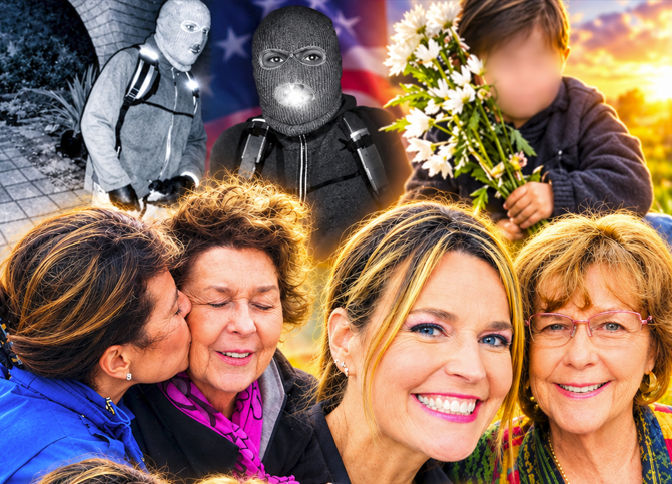
That lead did not produce a named suspect; one glove trail was later tied to a restaurant worker with no connection to the abduction. Inside the house, investigators collected DNA that did not belong to Nancy or her close contacts. Nanos has described mixed samples involving as many as four people and has said laboratories across the country are still trying to separate them. Hair evidence did not identify a suspect. The camera had not been on a paid cloud subscription, which is why the video had to be pulled from backend remnants rather than a clean archive. Google later said it was working to extract additional footage. The public has now seen the masked figure for months. Tips numbered in the tens of thousands in the first weeks. None of that video has produced an arrest announced to the public.

The forensic problem is familiar to investigators and maddening to everyone else: a person who prepared enough to mask a face and disable a camera, cheap enough to wear a discount-store pack, sloppy enough to leave blood and mixed DNA, and still anonymous enough that seven months of lab work have not produced a name. Nanos has said he remains positive the DNA and video will resolve the case. Until they do, the most famous image in the file is still a person whose face no one has seen.
Source: CBS News