Nancy Guthrie Case: Could Prosecutors Build a Homicide Case Without Finding Her Body?
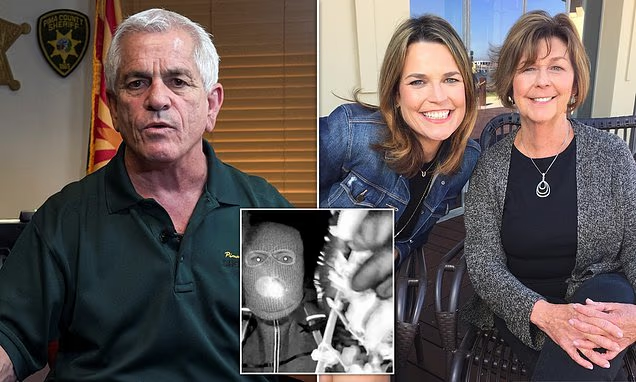
More than seven months after Nancy Guthrie disappeared from her Arizona home, investigators still have not found her or identified a suspect publicly. The lack of physical remains has created one of the biggest challenges in the case, but legal experts say it would not necessarily prevent prosecutors from pursuing a homicide case if investigators can establish a strong chain of circumstantial and forensic evidence.
Nancy Guthrie, 84, was reported missing on February 1 after she disappeared from her home in the Catalina Foothills area of Tucson. Authorities have said evidence found at the residence indicated that she was likely taken against her will. Blood matching Guthrie’s DNA was found at the property, while surveillance footage released by the FBI showed a masked individual carrying a backpack and appearing to interfere with a doorbell camera near her home.
Those details have remained central to the investigation. Guthrie was also dependent on a pacemaker and daily medication, making a voluntary disappearance difficult to reconcile with the circumstances described by investigators. However, authorities have not publicly established what happened to her after she disappeared, and no person has been charged in connection with the case.
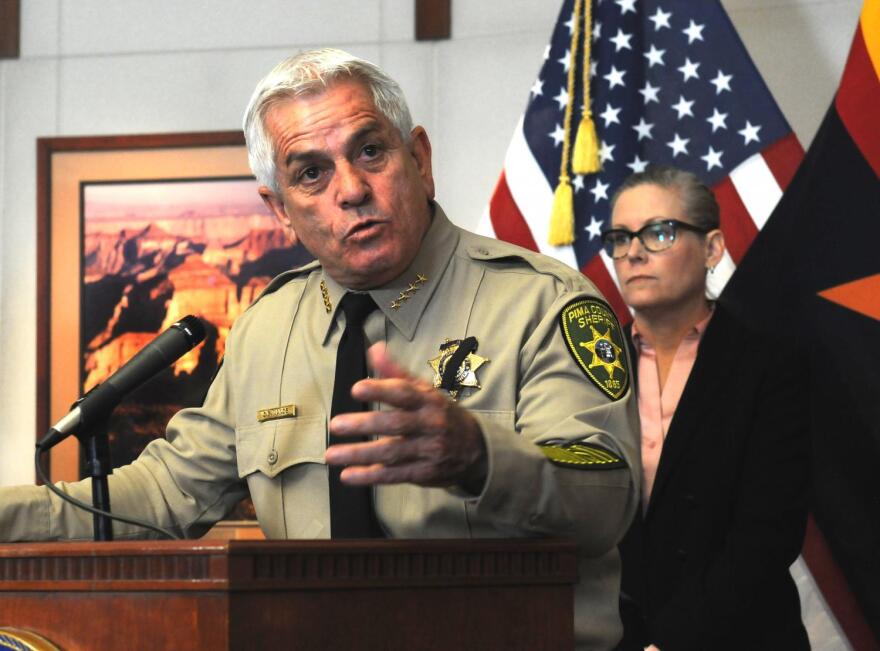
The absence of a body has raised an important legal question: Can a homicide prosecution move forward without recovering the victim’s remains? According to criminal defense attorney Michael T. van der Veen, the answer can be yes. Speaking to Newsweek, he explained that prosecutors can rely on circumstantial evidence to establish that a crime occurred, even when there is no body. Former police officer and criminal investigation professor Daniel K. Maxwell similarly explained that investigators would have to establish both that a crime had occurred and that a particular person was responsible.
In other words, finding Nancy’s remains would provide investigators with important evidence, but the absence of a body does not automatically make a homicide case impossible. Prosecutors would instead need to build a compelling picture from the available evidence and eliminate reasonable non-criminal explanations.
That distinction is particularly important in Guthrie’s case because investigators have not publicly identified a suspect. Evidence suggesting that someone entered the home or that Guthrie was taken does not, by itself, establish who was responsible or what ultimately happened to her.
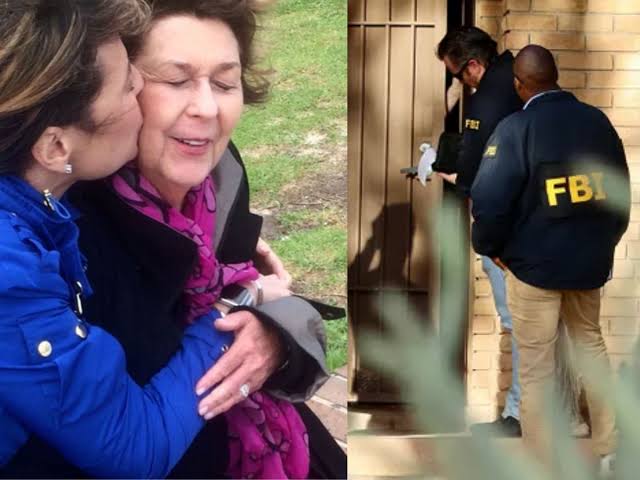
Another expert, veteran prosecutor Tad DiBiase, has also discussed the possibility of a so-called “no-body” homicide prosecution. DiBiase, who has spent years studying and training investigators and prosecutors in such cases, said he believes Guthrie’s case could theoretically be prosecuted even if her remains are never recovered. At the same time, he stressed that finding the body would be extremely valuable because remains can provide information about the circumstances and cause of death.
DiBiase has also emphasized the importance of continued searches. He argued that investigators need to demonstrate that they thoroughly examined realistic areas where Guthrie could have been located. Such searches could potentially accomplish two things: recover evidence or remains, and help prosecutors later demonstrate that alternative explanations—such as Guthrie leaving voluntarily—were carefully considered and investigated.
The case presents an unusual challenge because many no-body homicide cases involve people who knew one another, including domestic partners, relatives, friends or ᴀssociates. DiBiase has noted that a case involving an adult victim apparently targeted by a stranger is much less typical. That does not make prosecution impossible, but it can make the evidentiary burden particularly difficult.
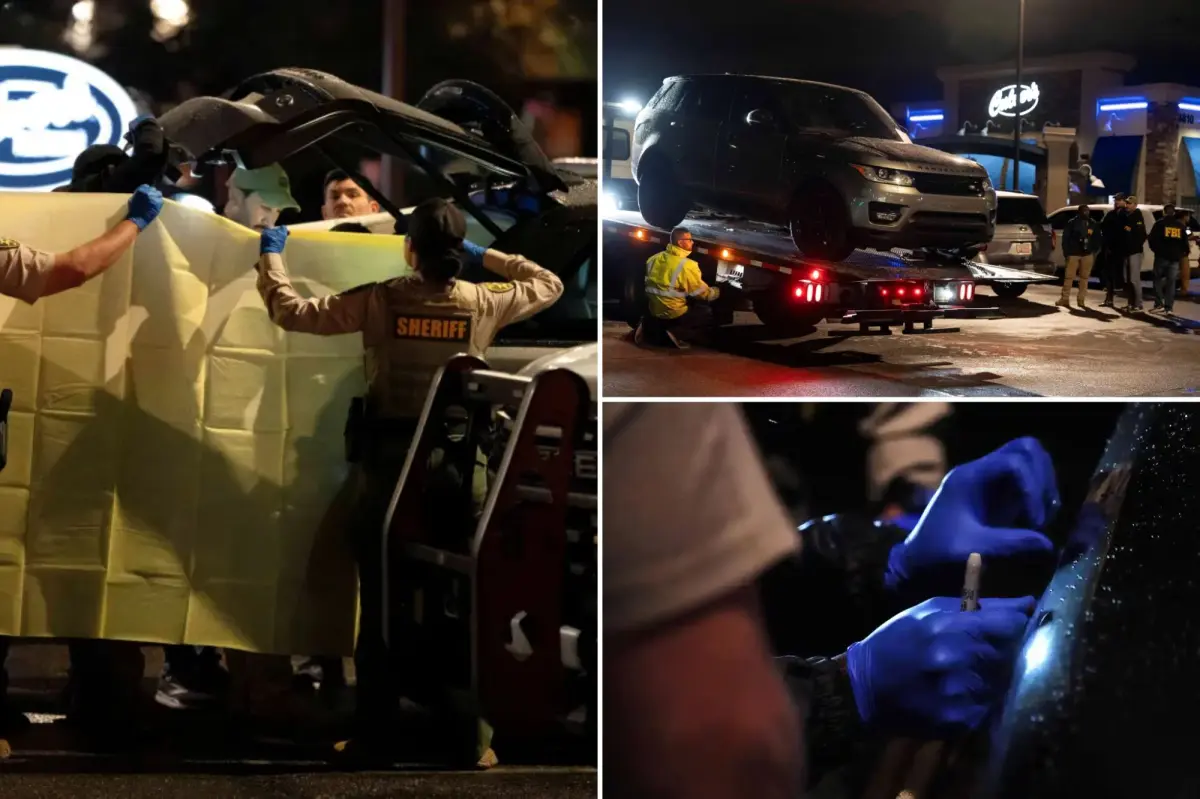
The investigation has also generated a number of theories and reports that have not been substantiated. At one point, reports circulated that human remains had been discovered in Mexico and could be connected to Guthrie. Those reports did not result in confirmation that Nancy had been found. Authorities have continued to treat the investigation as active rather than announcing that her remains have been recovered.
More recently, attention has remained focused on the evidence from Guthrie’s home and on whether additional forensic analysis could provide investigators with a clearer picture of what happened. The case has also received renewed public attention as Savannah Guthrie continues to speak about her missing mother and ask for information that could help bring her home. In September, Savannah made another emotional public appeal, saying that her family still wants the opportunity to bring Nancy home and give her a proper farewell.
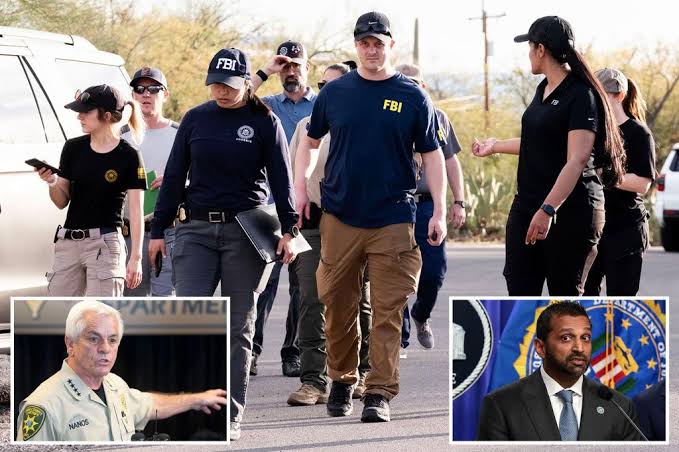
For investigators, the central questions remain unresolved. What happened inside Nancy Guthrie’s home? Who was the masked person seen near the property? Where did Nancy go after she disappeared? And can the available evidence ultimately establish what happened to her and who was responsible?
For now, those questions remain unanswered. Experts can explain how a “no-body” homicide case might work in court, but their analysis does not establish that Nancy Guthrie was killed. Authorities have not publicly confirmed her fate, and no suspect has been charged in her disappearance. The investigation therefore continues with the search for both answers and evidence remaining critical to the case.
Sources: CBS News, NBC/Today