Nineteen Years On, the McCanns Still Have No Answer. The World Still Has Their Daughter’s Name
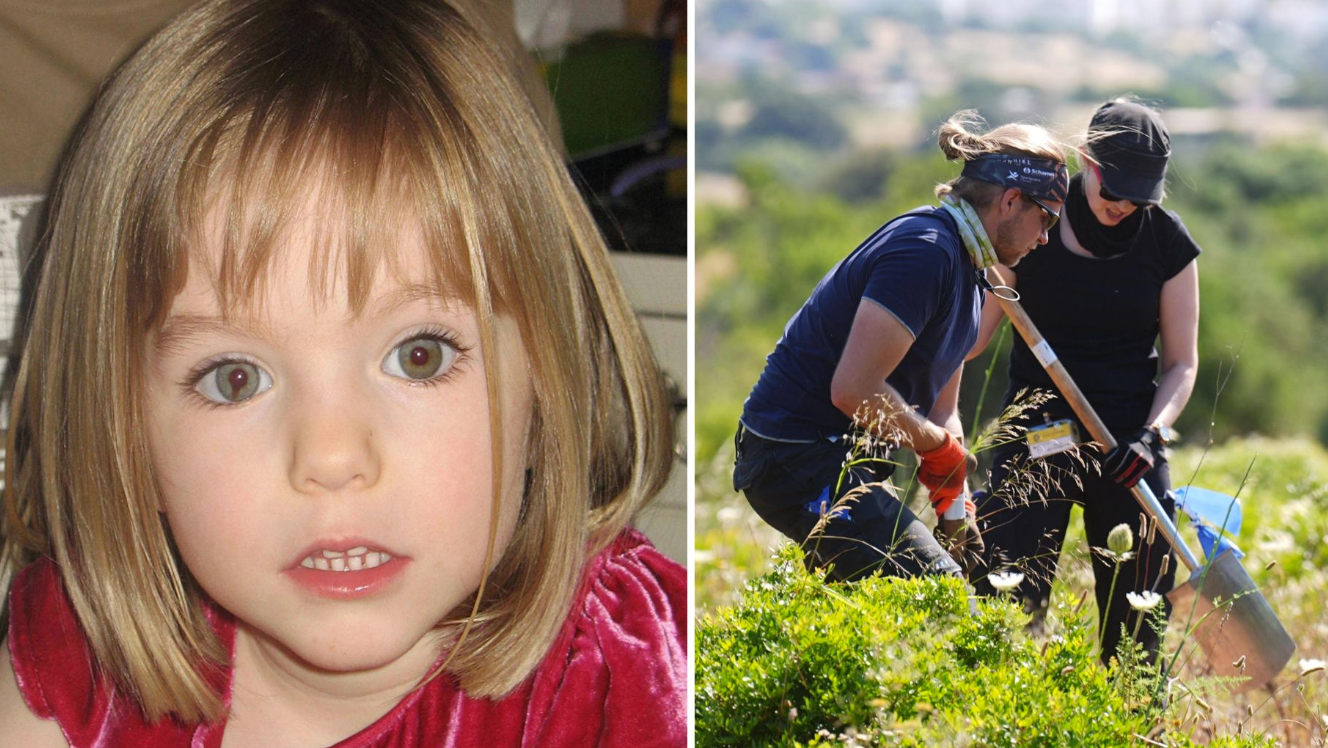
By May 2027 it will be twenty years since Madeleine McCann was last seen in a holiday apartment in Praia da Luz. The date is already shaping the work around her case. British reporting in 2026 said Scotland Yard wanted enough material to consider a trial before that anniversary. German investigators sent London a file described as crucial. None of that has given Kate and Gerry McCann the only result that would end the story for them: certain knowledge of what happened to their child. The public still uses Madeleine’s first name as if it were a headline category. The family still lives inside a file that other people get to open, close, leak and dramatise.
Madeleine disappeared on 3 May 2007, aged three, while her parents ate nearby and her twin siblings slept in the same apartment. That sentence has been written so often it can sound like a caption. For the McCanns it is the night their ordinary family holiday became an international investigation. Early Portuguese inquiries looked at the parents themselves. Cadaver dogs, disputed traces in a car hired days later, and a media storm turned suspicion inward. Those claims did not survive. The parents were cleared as suspects. They later won damages against a former detective who published allegations about them. The stain of that first period never fully left the internet. Every new document about Christian Brückner arrives on top of that older, uglier layer, in which the people who lost a child were first treated as the explanation.
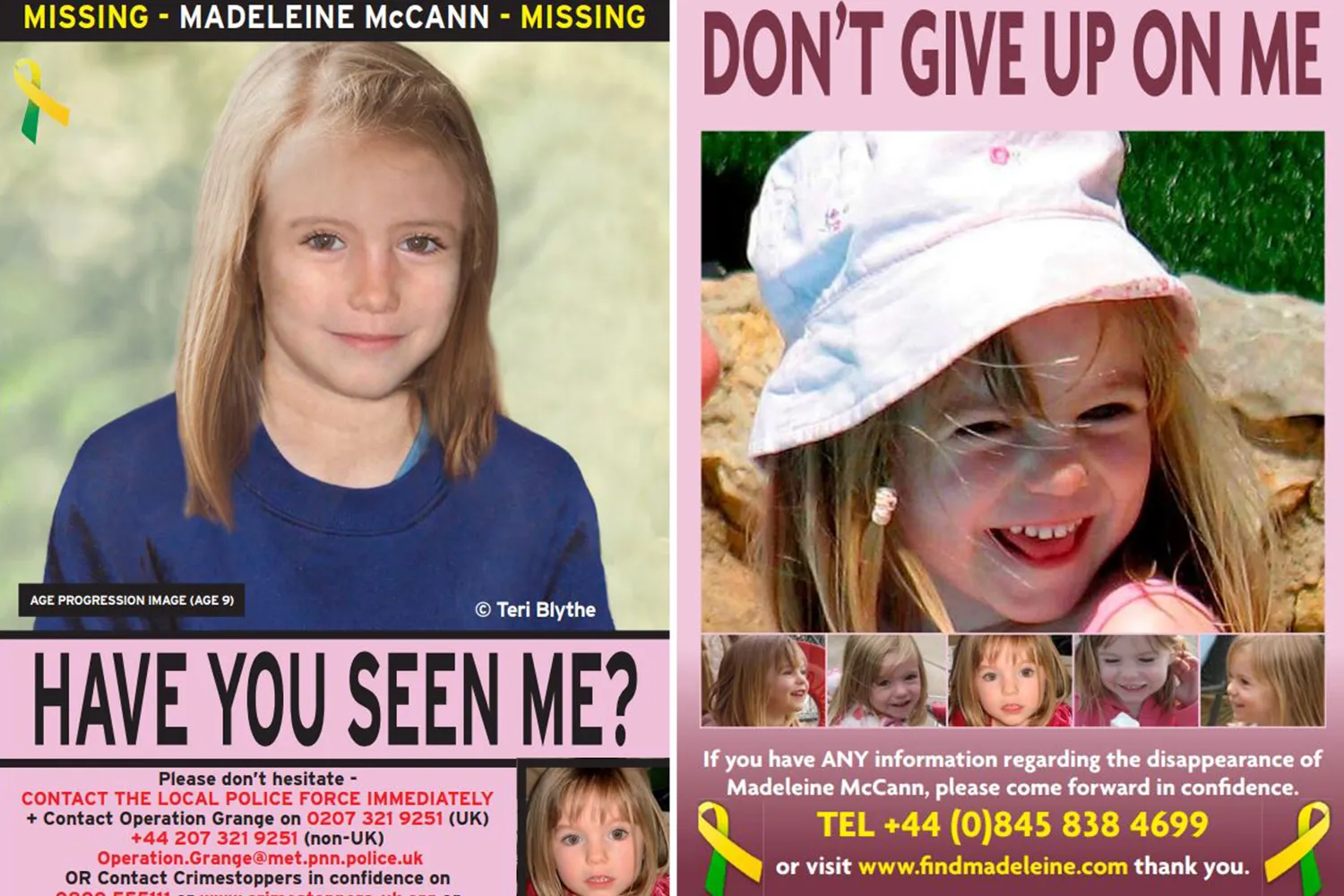
Operation Grange, launched in 2011, was meant to be Britain’s second look. It has cost more than thirteen million pounds. For 2026 and 2027 the Home Office again approved money, at a lower level than the year before. The team is now a handful of officers and staff, some part-time. That shrinkage is easy to read as decline. It is also a sign that the inquiry has been narrowed to a small number of lines, of which Brückner is the one Germany will not drop. British police still describe the case as a missing-person investigation. That wording matters to a family that has never been handed official confirmation of death, even while German prosecutors say they believe Madeleine is no longer alive. Two countries can share a suspect and still not share a conclusion about the child.
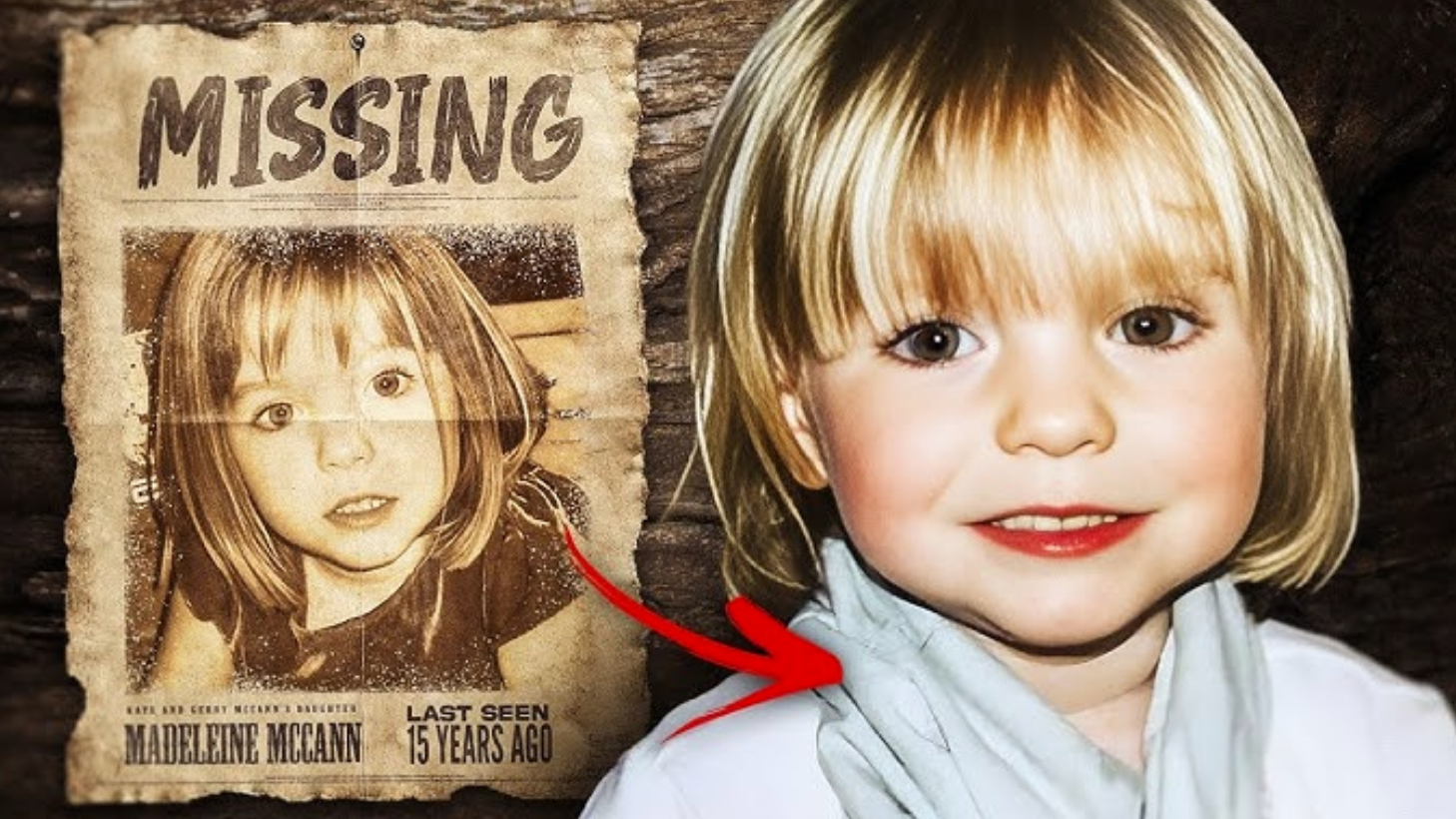
Brückner has denied any role. He refused a British request for an interview before his release from prison in September 2025. He has never been charged over Madeleine. After leaving Sehnde prison he lived under supervision in northern Germany, at times in temporary housing, at times under criticism that officers lost contact with him. In June 2026 Kiel police opened a separate inquiry after a confrontation over a mobile phone outside a supermarket. That episode, like his other court cases, keeps his name in the news without answering the only question the McCanns need answered. A man can be the official person of interest in three countries and still leave a family standing where it stood in 2007: waiting.

There is another cruelty particular to this case. Because Madeleine was never found, the investigation remains open in language that allows for survival, while much of the police work proceeds as if the opposite were true. German prosecutors have spoken of physical evidence that is not laboratory proof. British officers hunt for a standard that would survive a prosecutor’s review. Portuguese officers control the ground where she vanished. The family cannot choose which theory to live with. They receive updates. They issue statements. They watch funding debates in the House of Commons and file stories from Kiel. They also watch people invent endings: false sightings, impostors, a woman later convicted of harᴀssing the family after claiming to be Madeleine. Grief here is not private. It is moderated by comment sections.
Sources: NYpostnews