The Part After the Rescue: Recovery Hubs, Medical Teams and Why Finding a Child Is Only the First Hour
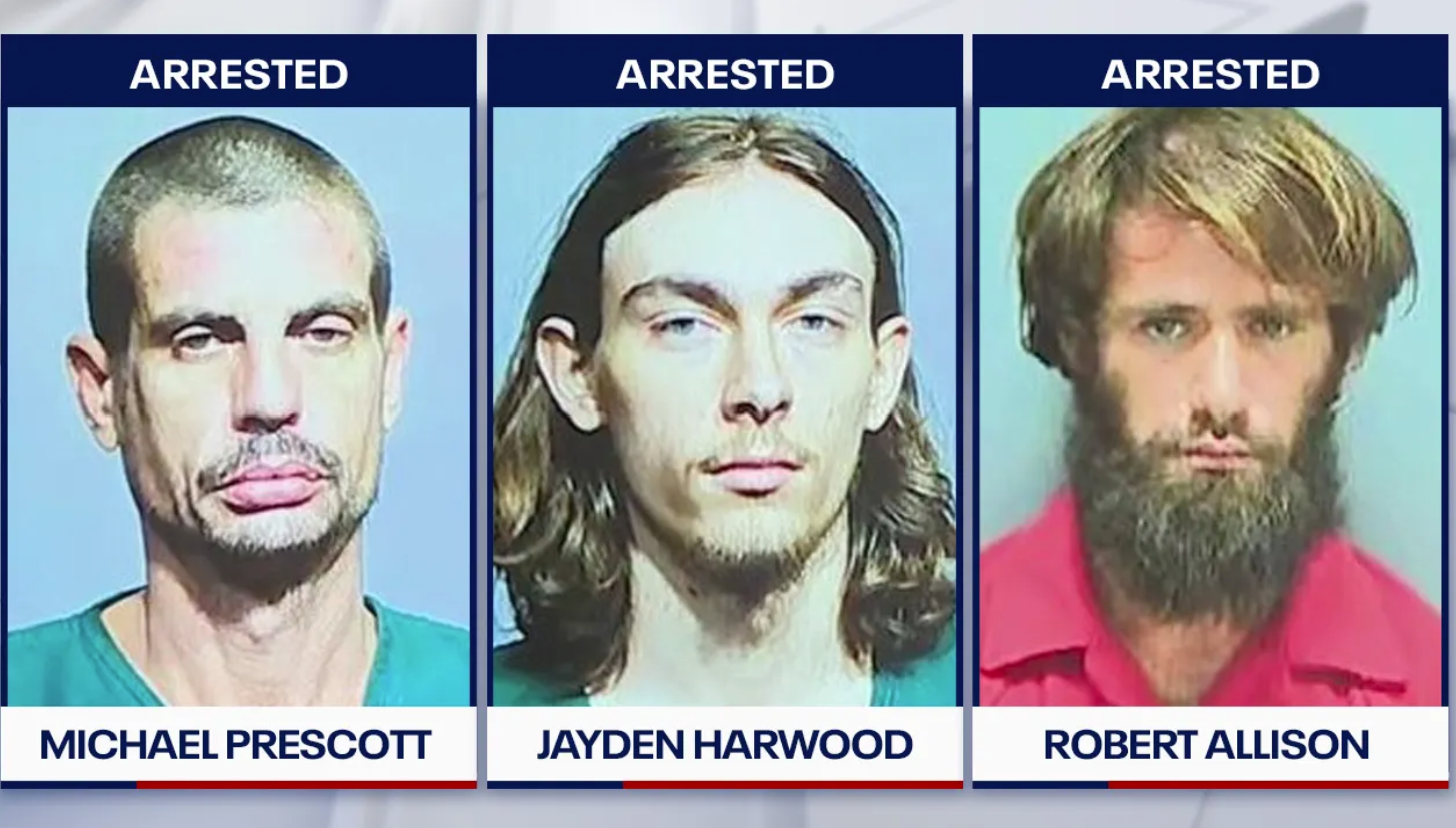
Operation Statewide Shield was sold to the public as a search, and the search was real. What the participating agencies spent almost as much time describing was the hour after a child was found. Officials said recovered children who needed ᴀssistance were transported by local law enforcement to designated recovery hubs where social services, child-welfare professionals, medical providers, victim advocates and other child-centered resources were already waiting. That design was not an accessory. It was one of the operation’s stated purposes. FDLE said the initiative was developed with a specific goal of providing immediate access to child-focused services, not merely producing a count of located minors. The age range made that goal unavoidable. A two-month-old and a seventeen-year-old do not need the same intervention, the same interview protocol, the same medical screening, or the same placement options. A child who has been neglected needs different first-line care than a child who has been Sєxually exploited. A runaway who left a dangerous home is not the same case as a child taken across a state line in a custody fight. The hubs existed so those differences could be sorted in a controlled setting instead of in the back of a patrol car or a chaotic precinct lobby. In the Tampa Bay region, where 46 children were recovered, BayCare described a secure hub serving Hillsborough, Pasco, Pinellas and Polk counties. Staff provided medical screenings and behavioral-health support. Children were given blankets, clothing, snacks and personal-care items. Therapy dogs and trained professionals were used to reduce the shock of sudden contact with a large group of adults in uniform and lanyards. BayCare said it had ᴀssisted similar law-enforcement operations before and that its role was to bring pediatric and behavioral-health capacity into a mission that police agencies cannot staff alone.
The aftercare story is also where the operation’s partnerships become more than a list of logos. The Florida Department of Children and Families and the Department of Juvenile Justice were inside the planning because a recovered child immediately becomes a child-welfare case, a possible dependency case, a possible delinquency case, or some combination of all three. Nonprofits such as One More Child said they joined the effort to make sure children had access to care and resources from the moment they were found, and they noted from prior operations that a large share of recovered youth in this kind of work have trafficking histories. The Florida Human Trafficking Victims Fund and groups such as More to Life were named among the organizations that helped shape the response. Faith organizations and private-sector partners were credited by DCF officials as part of the reason the operation could move children into services quickly. That language can sound ceremonial until it is placed against the raw numbers. One hundred sixty-three children in five days is too large a caseload for any single sheriff’s office to absorb if the only plan is “find them and figure out the rest later.” The hubs were the state’s attempt to prevent the second disappearance: the disappearance into untreated trauma, unstable housing, or a return to the same adults who failed the child the first time. Uthmeier acknowledged that reality in the same appearance where he celebrated the recoveries. He said many of the children had been victimized by people who prey on the most vulnerable. He also said that for many of them, life would not be the same and that they would need continued help, prayers and support. That is not the sentence of an official who believes a five-day sweep finishes the work.
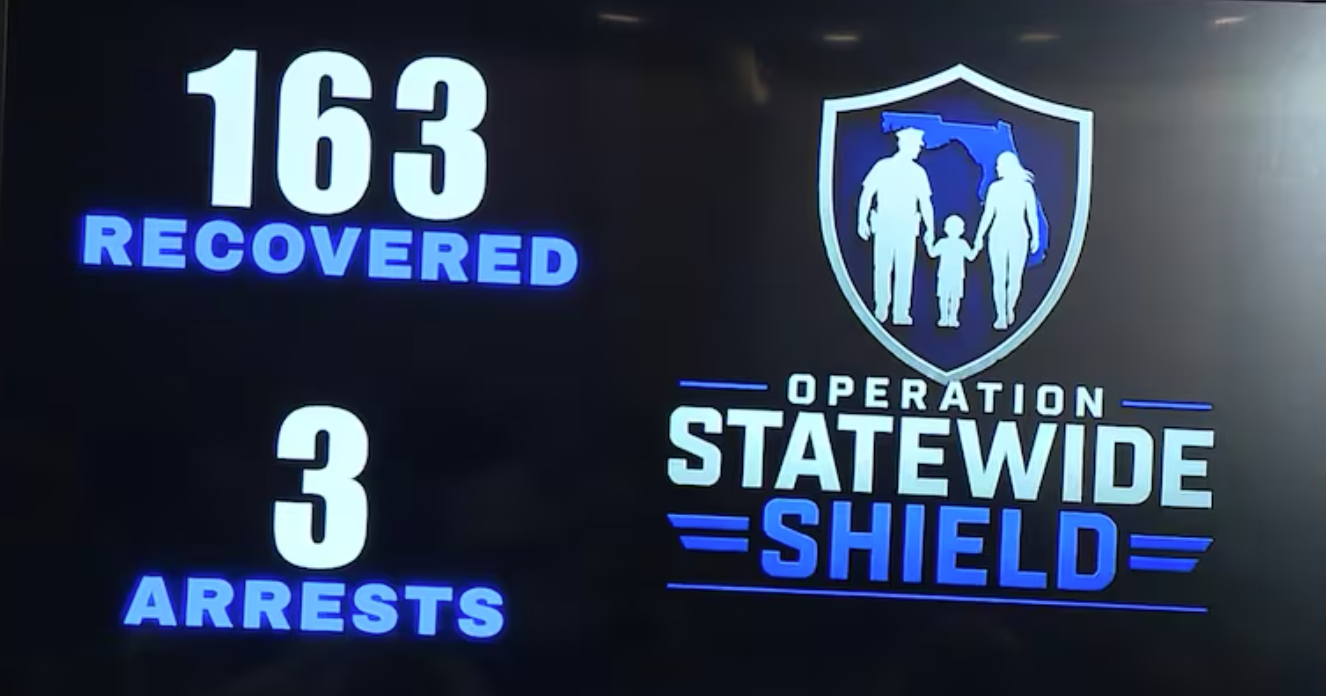
There is a reason this part of the operation is harder to turn into a viral post than the rescue total or the arrest pH๏τos. Aftercare does not produce a single image. It produces case plans, medical charts, school re-enrollment problems, immigration or interstate-custody paperwork, counseling appointments, and the slow question of whether a child who has been recovered once can be kept visible to the systems that are supposed to protect them. Officials said many of the 163 children had experienced abuse, neglect, exploitation or exposure to other criminal activity. They did not publish a complete breakdown of how many fell into each category, which means the public still does not know the precise mix of trafficking victims, family-abduction cases, runaways and neglect cases inside the total.
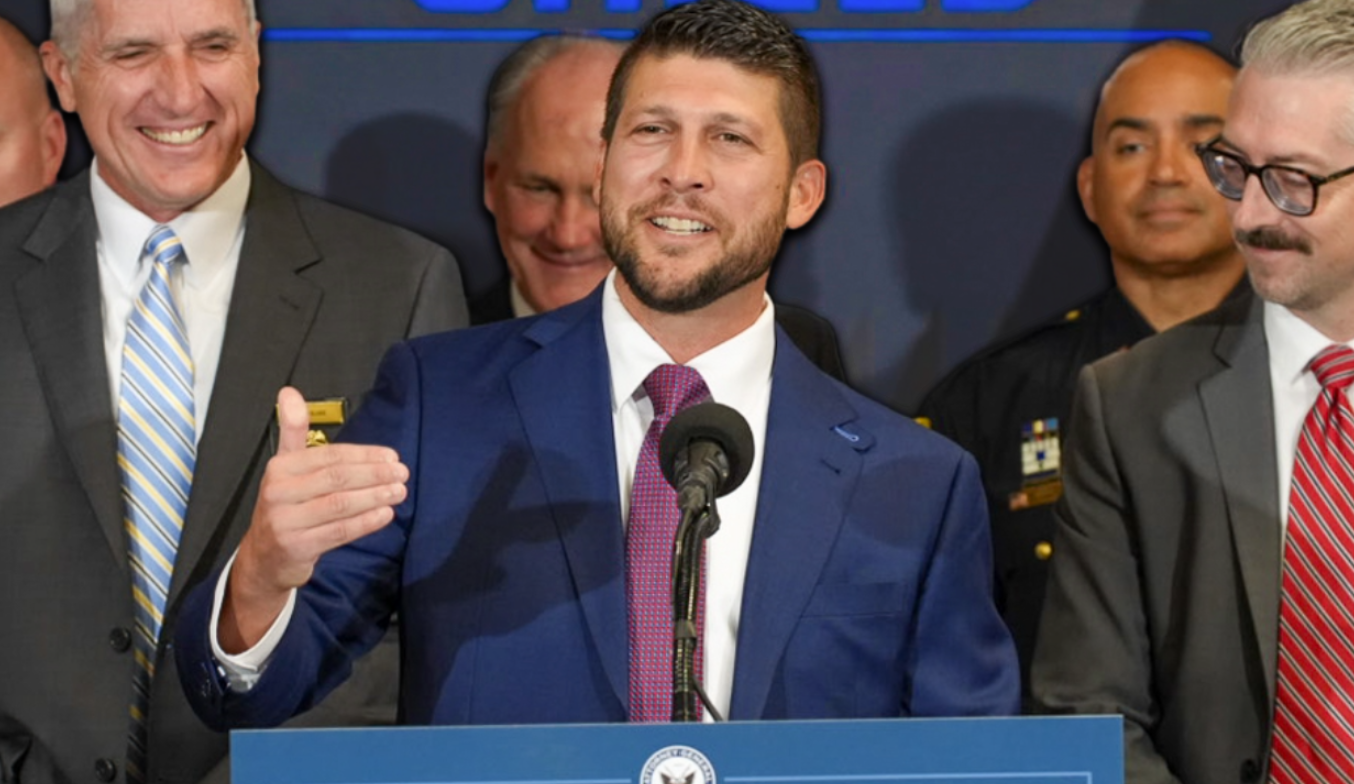
What the public does know is that Florida built a landing system in advance and then used it. That choice separates Statewide Shield from operations that measure success only by the number of doors kicked and the number of bodies moved. The remaining test is follow-through. A recovery hub can stabilize a child for a night or a weekend. It cannot by itself guarantee a safe long-term placement, a completed prosecution, or a community that notices the next time that child goes missing. The operation’s organizers presented the hubs as proof that Florida has learned from earlier missions. The next measure of whether that lesson stuck will not be another press conference. It will be whether the 163 children still have services, supervision and an adult who is paying attention after the statewide shield comes down.
Source: https://www.fox32chicago.com/news/163-missing-florida-kids-rescued-3-arrested-operation-statewide-shield?link_source=ta_first_comment&taid=6a8e189db9a1130001006197&utm_campaign=trueAnthem_manual&utm_medium=trueanthem&utm_source=facebook