How Two Days in the Water Rewrote the Forensic Evidence in the Nolan Wells Case
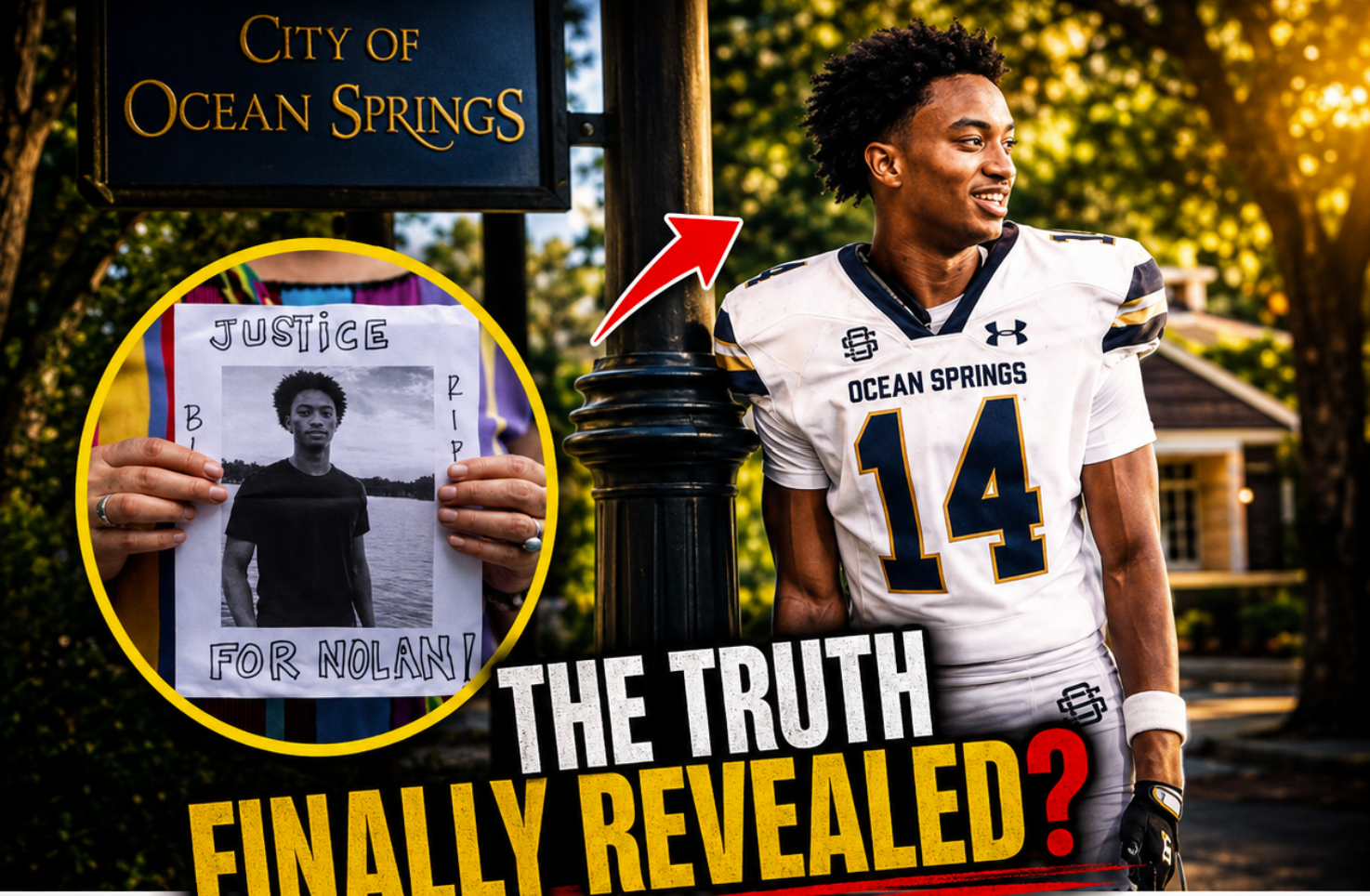
The condition of Nolan Wells’ body at the time of examination has emerged as one of the central limitations shaping every forensic conclusion reached so far. Wells disappeared during a Fourth of July gathering on Horn Island and was recovered from the water two days later. By the time both the official state autopsy and the independent second examination took place, substantial decomposition had already occurred. That process alters the appearance of skin and soft tissue, changes the body’s chemistry, and can make it extremely difficult to distinguish injuries sustained before death from changes that developed afterward. Dr. Roger Mitchell, who performed the independent autopsy on July 10, reported that both the cause and manner of death remained undetermined.
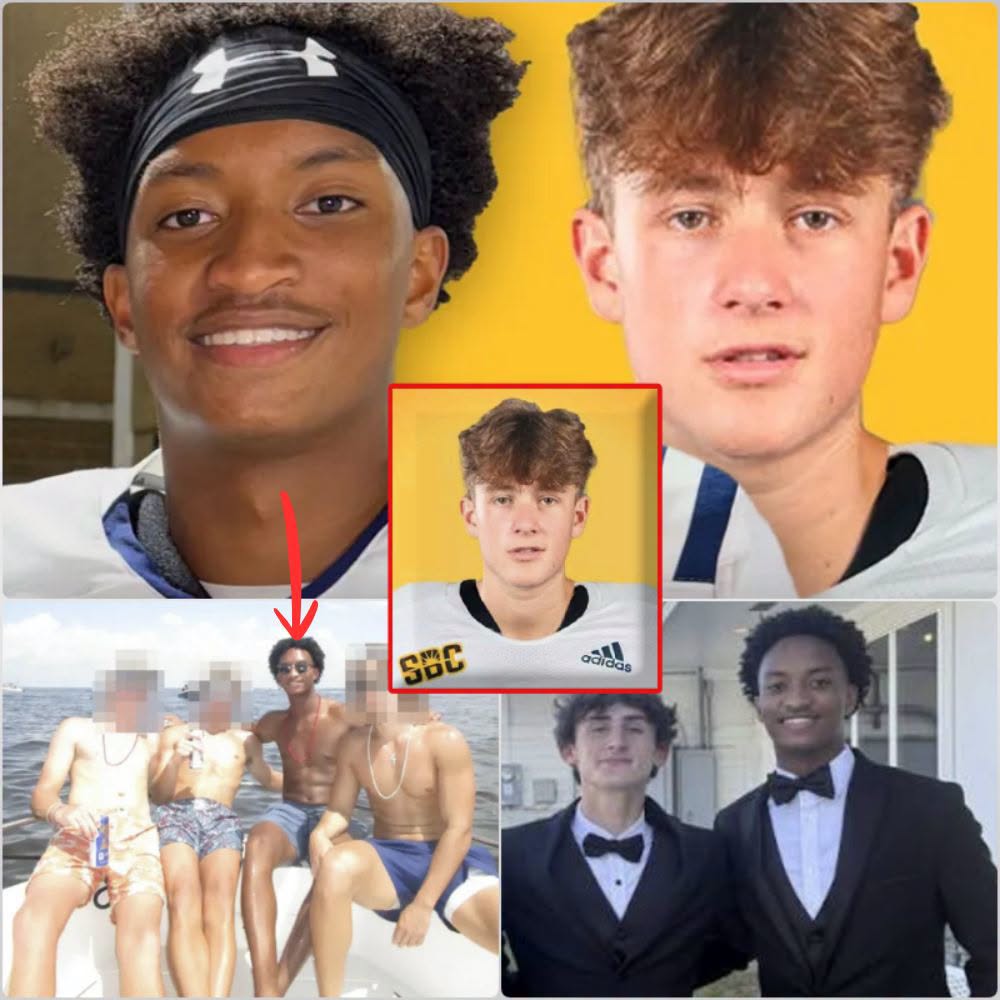
No fractures or deep tissue injuries were identified, yet the possibility of non-accidental factors could not be eliminated. A significant area of red discoloration in the soft tissue at the back of the head was observed, but its origin was left unresolved. The advanced state of decomposition was explicitly acknowledged as a factor limiting what the examination could determine. Certain anterior neck structures had also been retained after the initial autopsy for additional testing, further restricting the materials available to the independent pathologist.

Forensic pathologist Dr. Judy Melinek, reviewing the preliminary findings, emphasized that the same decomposition will complicate any eventual toxicology interpretation. Bacteria involved in tissue breakdown can produce ethanol after death, meaning that detection of alcohol does not automatically prove the person had been drinking while alive. A purported toxicology report that spread online was publicly identified as fraudulent by Mississippi Department of Public Safety Commissioner Sean Tindell, who confirmed that official state laboratory results had never been released.
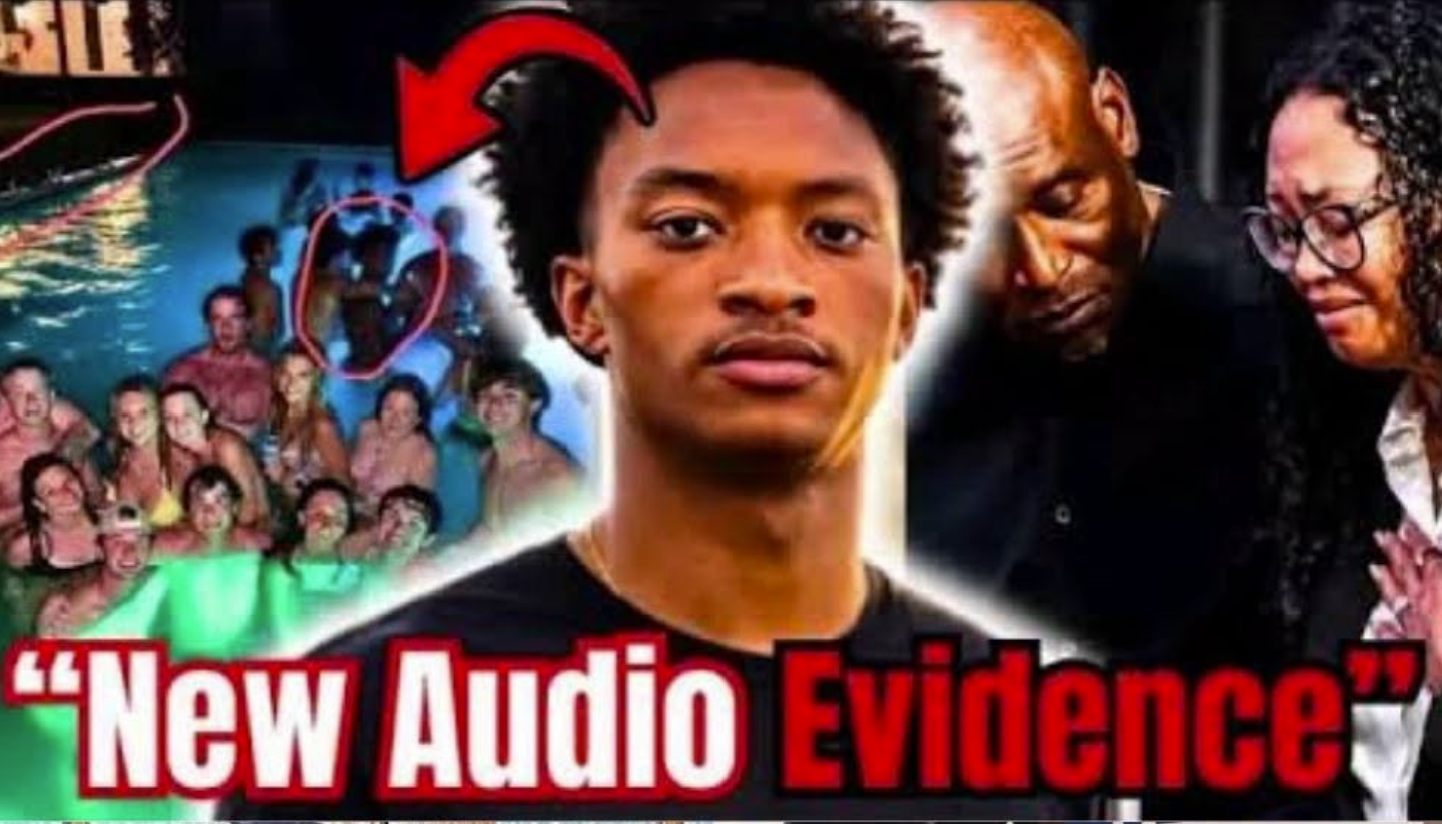
Jackson County District Attorney Angel Myers McIlrath has stated that a grand jury will review the death once the investigation is complete, a routine step for non-natural deaths. The available public record therefore continues to show an open case in which the physical condition of the body itself has constrained the ability of both official and independent examiners to reach definitive conclusions. Official toxicology findings and additional investigative material remain pending, and until those elements are available the circumstances surrounding Wells’ death have not been fully established.