Zavacephale Rinpoche: Oldest Dome-Headed Pachycephalosaur from Gobi Desert Shakes Up Scientists!lh
Zavacephale Rinpoche: Oldest Dome-Headed Pachycephalosaur from Gobi Desert Shakes Up Scientists!
In a stunning 2025 discovery that has electrified paleontology, Zavacephale rinpoche—the world’s oldest and most complete pachycephalosaur—has been unearthed from Mongolia’s Gobi Desert, pushing back the fossil record of these iconic dome-headed dinosaurs by at least 15 million years.
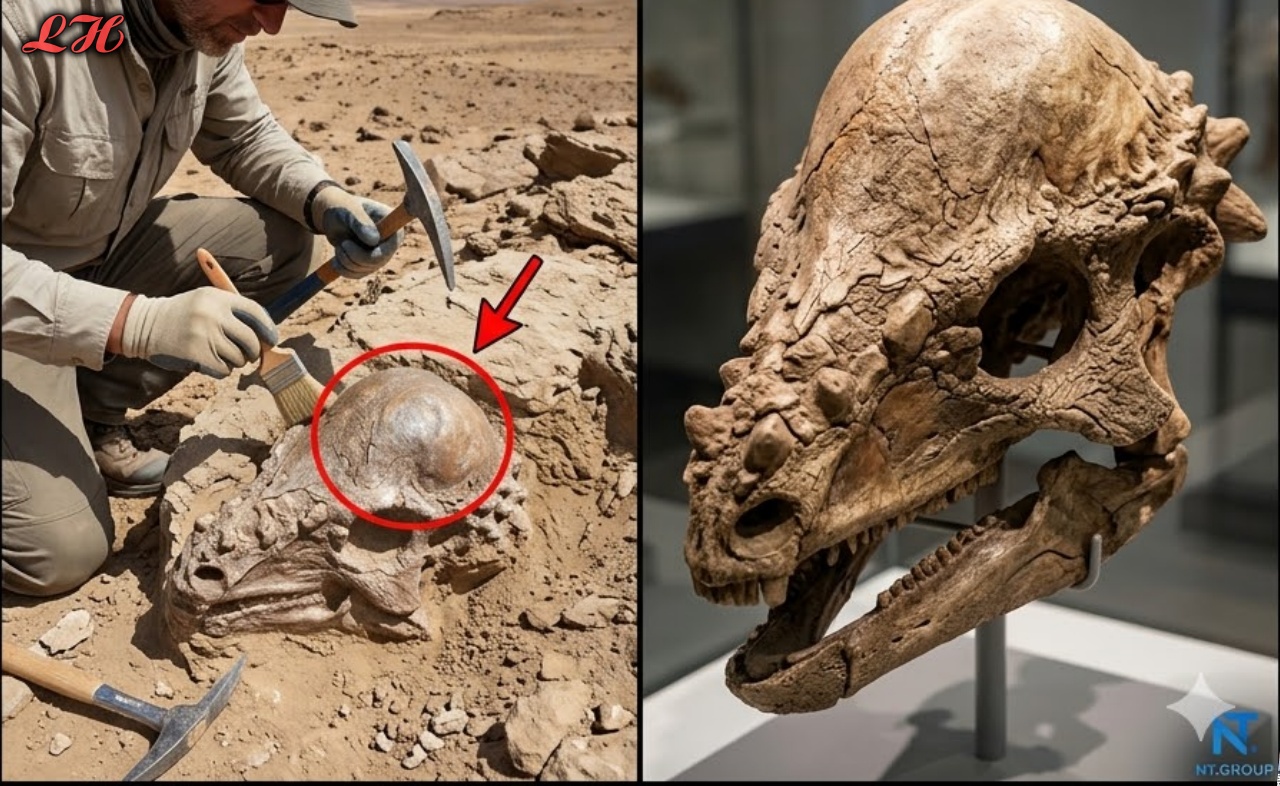
Described September 17, 2025, in Nature by Tsogtbaatar Chinzorig and colleagues, the specimen hails from the Early Cretaceous Khuren Dukh Formation (~108 million years ago). The skull was found dramatically exposed on a cliff face “like a cabochon jewel,” revealing a partial articulated skeleton with a nearly complete cranium.
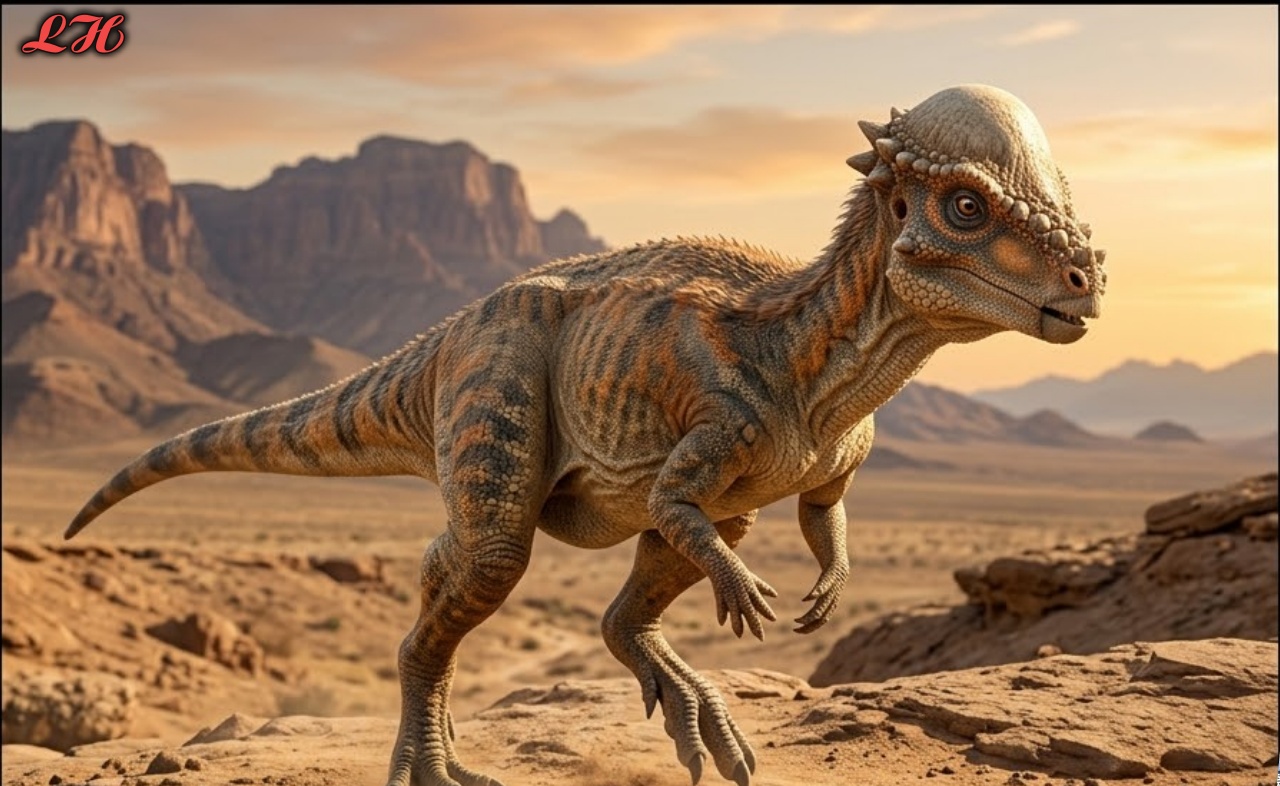
At under one meter long, this juvenile already sported a well-developed frontoparietal dome—the hallmark bony helmet used for head-ʙuттing or display. Critically, it preserves the clade’s first known manual elements (hands) and gastroliths (stomach stones), offering unprecedented anatomical insights.
The name Zavacephale rinpoche translates as “head origin precious one,” honoring its basal position and the specimen’s exquisite preservation. Phylogenetic analysis places it as one of the earliest diverging pachycephalosaurians, showing dome evolution began with a frontal-first pattern while retaining open supratemporal fenestrae—mirroring later ontogenetic trends.
This find rewrites pachycephalosaur history. Previously known mostly from fragmentary Late Cretaceous remains, the group’s origins and dome ᴀssembly are now clarified. Osteohistology reveals decoupling of socioSєxual maturity (advanced dome) from full body size, explaining why juveniles could already “ʙuтт heads.”
From the vast Gobi, Zavacephale rinpoche emerges as a tiny but mighty missing link—proof that dome-headed dinosaurs thrived far earlier than imagined. Paleontology’s enigmatic “head-bangers” just gained their most precious chapter yet.