Hybrid Mammoth Fossils from Canada Prove Woolly and Columbian Mammoths Interbred for Thousands of Years.lh
Hybrid Mammoth Fossils from Canada Prove Woolly and Columbian Mammoths Interbred for Thousands of Years
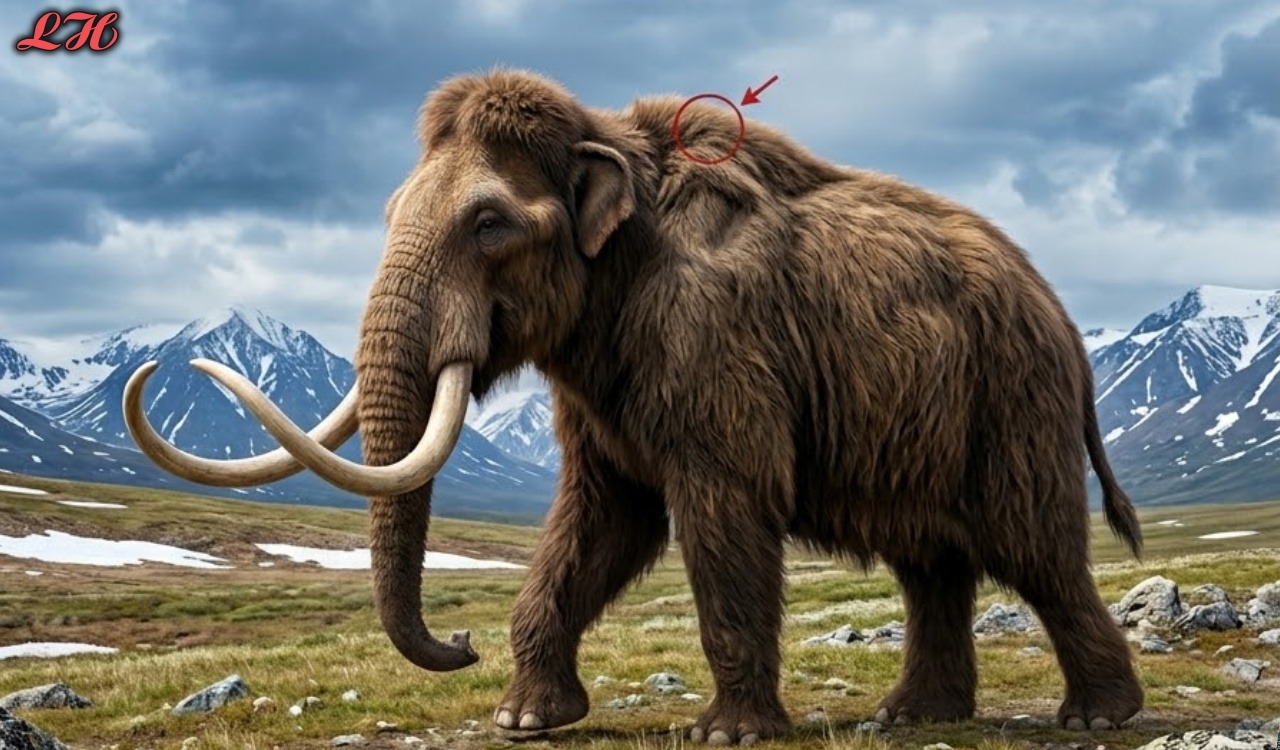
Paleogeneticists have uncovered direct evidence that woolly mammoths (Mammuthus primigenius) and Columbian mammoths (Mammuthus columbi) regularly interbred in western North America, producing viable hybrid offspring over at least 11,000 years during the Late Pleistocene.
Two fossilised molars from British Columbia, Canada, tell the story. Genetic analysis published in September 2025 reveals both teeth belonged to hybrid individuals. The older tooth (~36,000 years ago) contains approximately 21.6% Columbian mammoth ancestry, while the younger specimen (~25,000 years ago) carries 34.6% Columbian DNA. This progressive increase in Columbian genetic contribution demonstrates repeated, bidirectional gene flow rather than a single hybridisation event.
The finds, reported by an international team including researchers from the Natural History Museum (London) and published in Nature Ecology & Evolution, show that woolly mammoths expanded southward into Columbian mammoth territory during glacial periods when their ranges overlapped. Hybridisation was not rare but a recurring phenomenon that shaped mammoth populations across the continent.
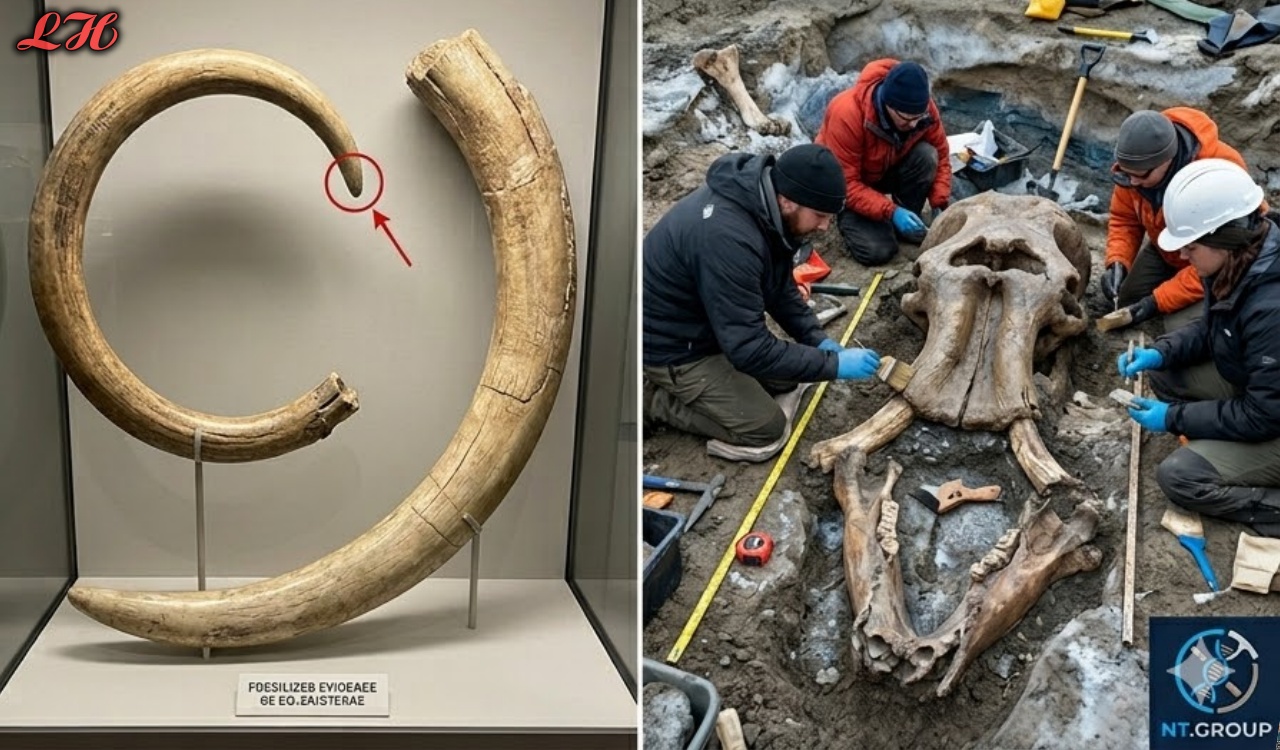
These hybrids likely inherited a mosaic of cold-adapted traits from woolly ancestors and the larger body size and southern adaptations of Columbian mammoths. The evidence overturns the long-held view of strict species separation and highlights how climate-driven range shifts promoted evolutionary mixing among Ice Age megafauna.
Housed in Canadian collections, the teeth provide a rare genetic window into mammoth social and reproductive behaviour. Far from isolated, these iconic giants routinely mingled and mated, creating a dynamic hybrid zone that persisted for millennia until their eventual extinction.