New Pterosaur Species Nipponopterus mifunensis Unveiled from Japan’s Kumamoto Prefecture.lh
New Pterosaur Species Nipponopterus mifunensis Unveiled from Japan’s Kumamoto Prefecture1
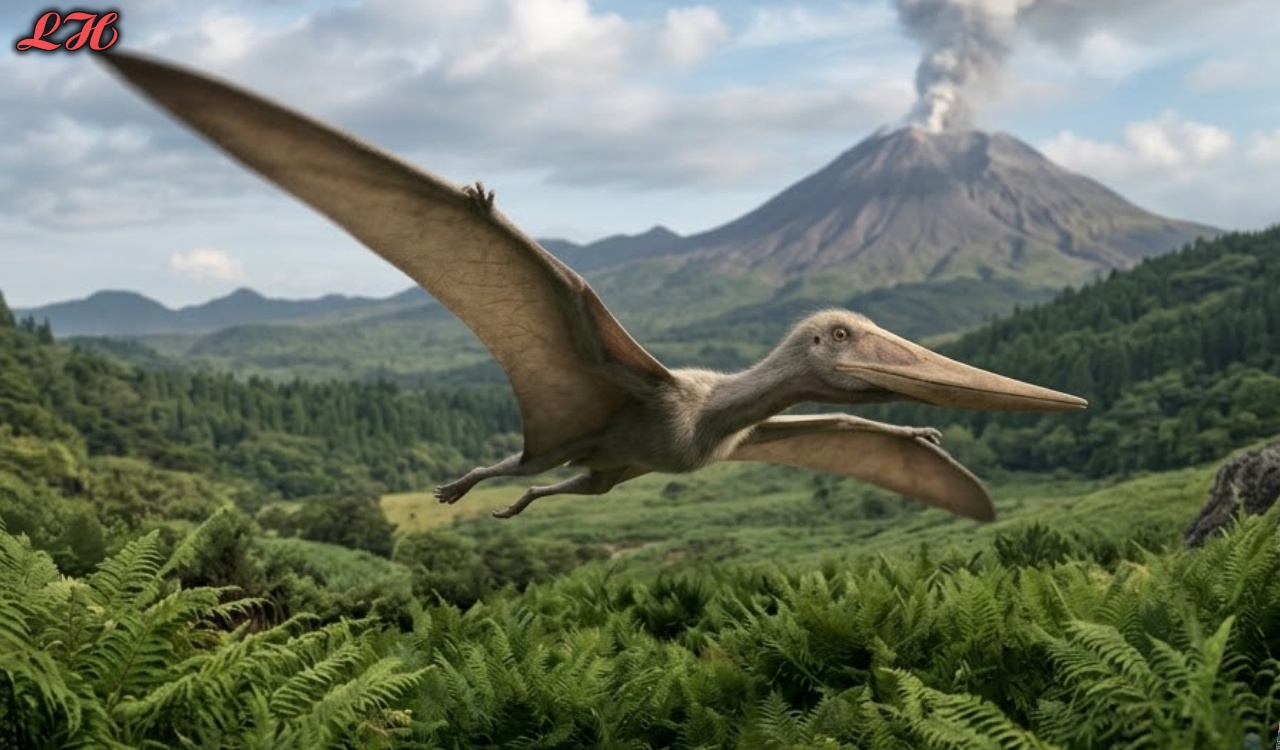
In a groundbreaking discovery for Japanese paleontology, scientists have formally named Nipponopterus mifunensis, the first pterosaur species identified from skeletal remains found in Japan. The announcement, made in May 2025 by the Mifune Dinosaur Museum, highlights a cervical vertebra unearthed nearly three decades ago and reshapes our understanding of Late Cretaceous flying reptiles in East Asia.
The 6.5-centimeter-long neck bone was excavated in 1996 from the Mifune Group geological formation in Mifune, Kumamoto Prefecture, on Kyushu island. Dated to approximately 90 million years ago (Turonian-Coniacian stages of the Late Cretaceous), the fossil lay in riverbed sediments from a period when pterosaurs soared alongside dinosaurs. Initially difficult to classify due to limited comparative data, advanced CT scanning at Kumamoto University and detailed phylogenetic analysis revealed it as a distinct azhdarchid pterosaur within the Quetzalcoatlinae subfamily—closely related to the giant Quetzalcoatlus of North America and a mysterious Mongolian form.
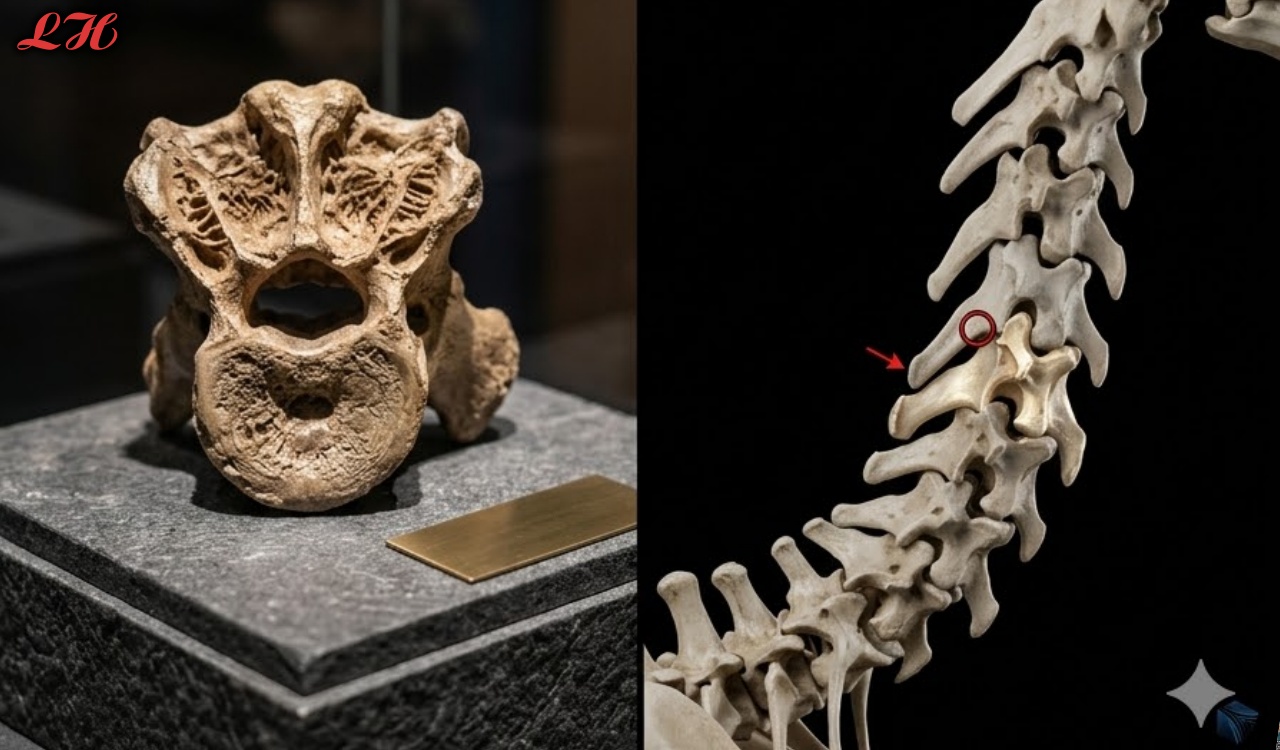
What sets Nipponopterus mifunensis apart are four unique anatomical traits on its sixth cervical vertebra: a prominent, elevated dorsal keel extending across the postexapophyseal peduncle; a long ventral sulcus; a subtriangular condyle; and laterally projecting postexapophyses. These features distinguish it from all known azhdarchids. Researchers estimate a modest wingspan of 3–3.5 meters, suggesting a mid-sized predator or scavenger in its ancient ecosystem.
An international team from Japan’s Mifune Dinosaur Museum, Kumamoto and Hokkaido Universities, alongside collaborators in China and Brazil, published the findings in Cretaceous Research. Dr. Naoki Ikegami of the Mifune Dinosaur Museum called it “a major step forward,” noting that no pterosaur had previously been named from Japanese body fossils. The specimen is now on public display at the museum, offering visitors a tangible link to Japan’s prehistoric skies.
This discovery underscores the fragility of pterosaur fossils—often too delicate to preserve well—while illuminating East Asian diversity in a group that dominated global skies until the end-Cretaceous extinction. As more fragments emerge, Nipponopterus promises fresh clues about azhdarchid evolution across continents. In the skies of ancient Kumamoto, a new chapter of flying-reptile history has taken flight.