Baminornis zhenghensis: China’s 150-Million-Year-Old Zhenghe Bird..lh
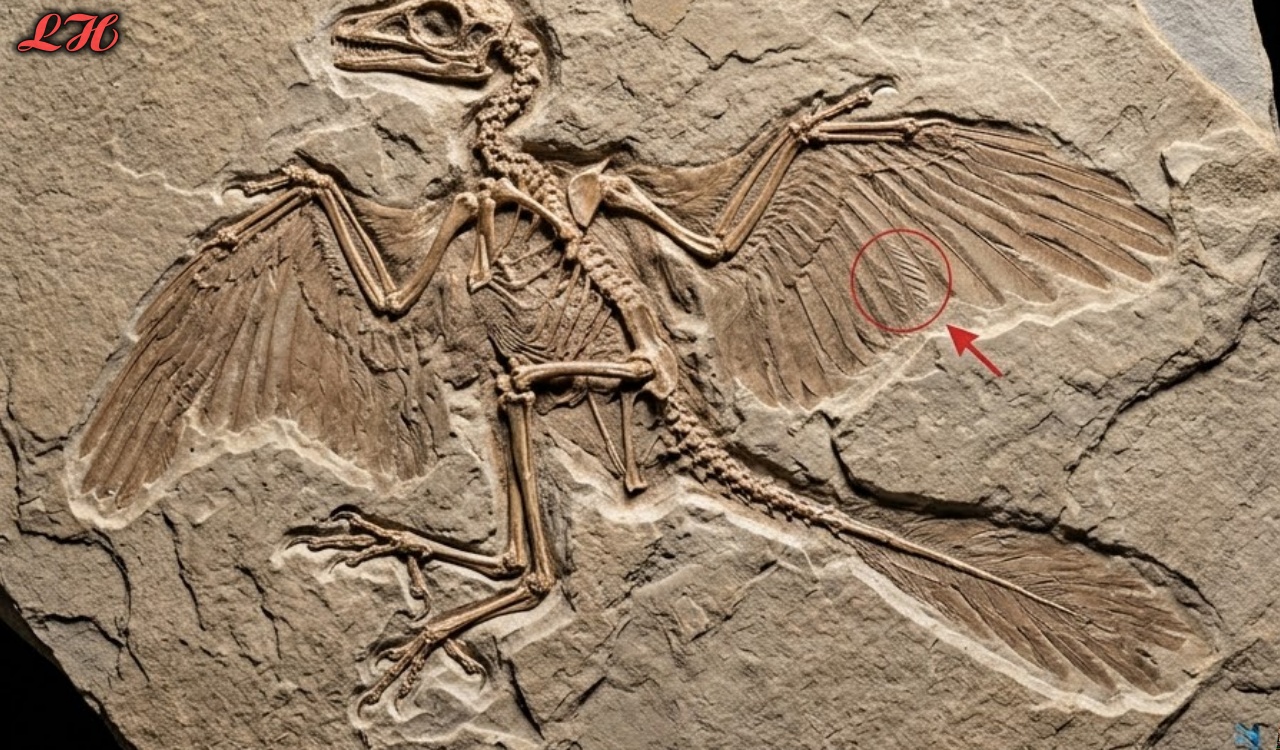
Baminornis zhenghensis: China’s 150-Million-Year-Old Zhenghe Bird Is the Earliest Short-Tailed Avialan Ever Found
In a Nature paper published February 2025, researchers led by Min Wang of the Insтιтute of Vertebrate Paleontology and Paleoanthropology (IVPP) have described Baminornis zhenghensis, the oldest short-tailed bird on record and the first unambiguous Jurᴀssic member of the ornithuromorph lineage that gave rise to all living birds.
The quail-sized specimen comes from the newly discovered Zhenghe Fauna in Fujian Province, southeastern China, dated to approximately 149–150 million years ago. It preserves a pygostyle—the fused terminal tail vertebrae that anchors the fan-shaped tail feathers essential for modern flight control—pushing the origin of this derived feature back nearly 20 million years from the previous Early Cretaceous record (Confuciusornis and relatives at ~125 Ma).
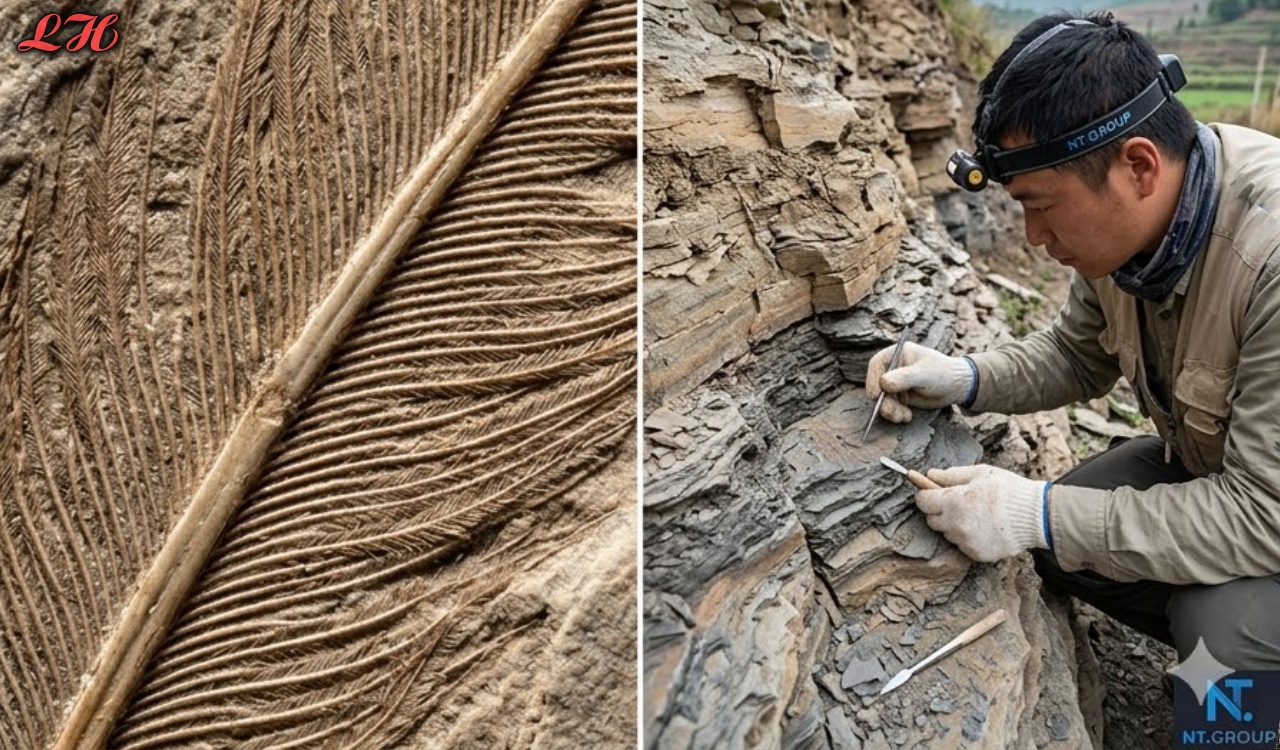
Crucially, Baminornis exhibits a mosaic of traits: advanced ornithothoracine-like pectoral and pelvic girdles alongside a plesiomorphic, non-avialan maniraptoran hand. An additional ornithuromorph furcula from the same locality reinforces the presence of highly derived birds in the Jurᴀssic.
“This fossil fills a critical spatio-temporal gap and demonstrates that birds had already diversified by the end of the Jurᴀssic,” Wang stated. The southernmost Jurᴀssic avialan site yet known, Zhenghe also yielded an anchiornithine, suggesting an earlier origin and rapid radiation of early birds across Asia.
The discovery rewrites the tempo of avian evolution: the sophisticated tail apparatus of modern birds did not wait for the Cretaceous—it had already evolved in the shadows of the dinosaurs during the Late Jurᴀssic. Zhenghe has delivered the missing link that proves the bird lineage was far more advanced, and far older, than textbooks once allowed.