First Paranthropus boisei Hand Fossils from Kenya Reveal Sophisticated Tool-Use Potential — With Powerful Gorilla-Like Grip!lh
First Paranthropus boisei Hand Fossils from Kenya Reveal Sophisticated Tool-Use Potential — With Powerful Gorilla-Like Grip!
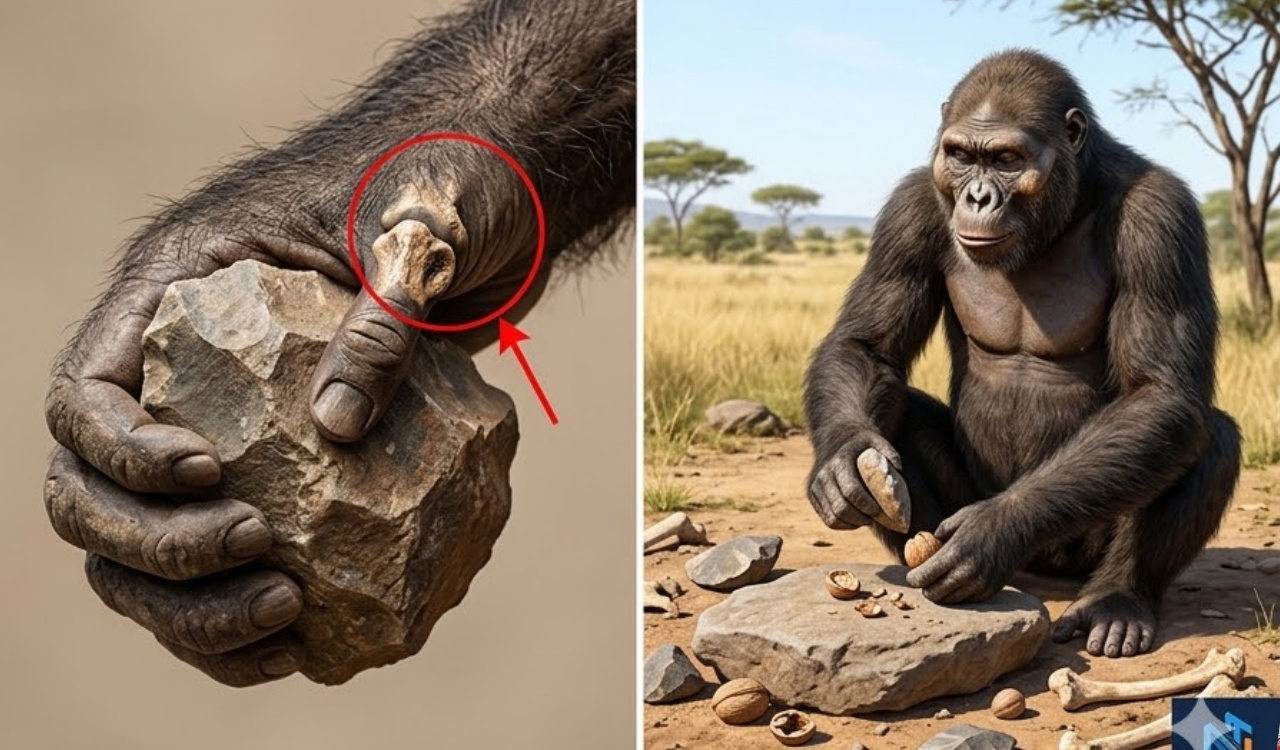
In a major October 2025 Nature study, researchers have described the first unambiguous hand and wrist bones of Paranthropus boisei — the “Nutcracker Man” — from a partial skeleton (KNM-ER 101000) at Koobi Fora, Kenya, dated to ~1.52 million years ago. The discovery overturns the long-held view that this robust australopith lacked the manual dexterity for complex tool use.
The hand bones display a striking mosaic: derived thumb-to-finger proportions and joint surfaces enabling precision grips similar to those of early Homo, combined with powerful, gorilla-like features for forceful grasping — ideal for both delicate manipulation and heavy-duty tasks. Wrist elements further support load transmission consistent with tool-related behaviors.
“This is the first time we can confidently link P. boisei to specific hand bones,” says lead author Dr. Carrie Mongle (Stony Brook University). “The anatomy shows it could form grips suitable for making and using simple Oldowan-style tools.” The find aligns with 3.0-million-year-old stone tools found near Paranthropus teeth at Nyayanga and even earlier Lomekwi artifacts, proving tool use was widespread across the hominin family tree.
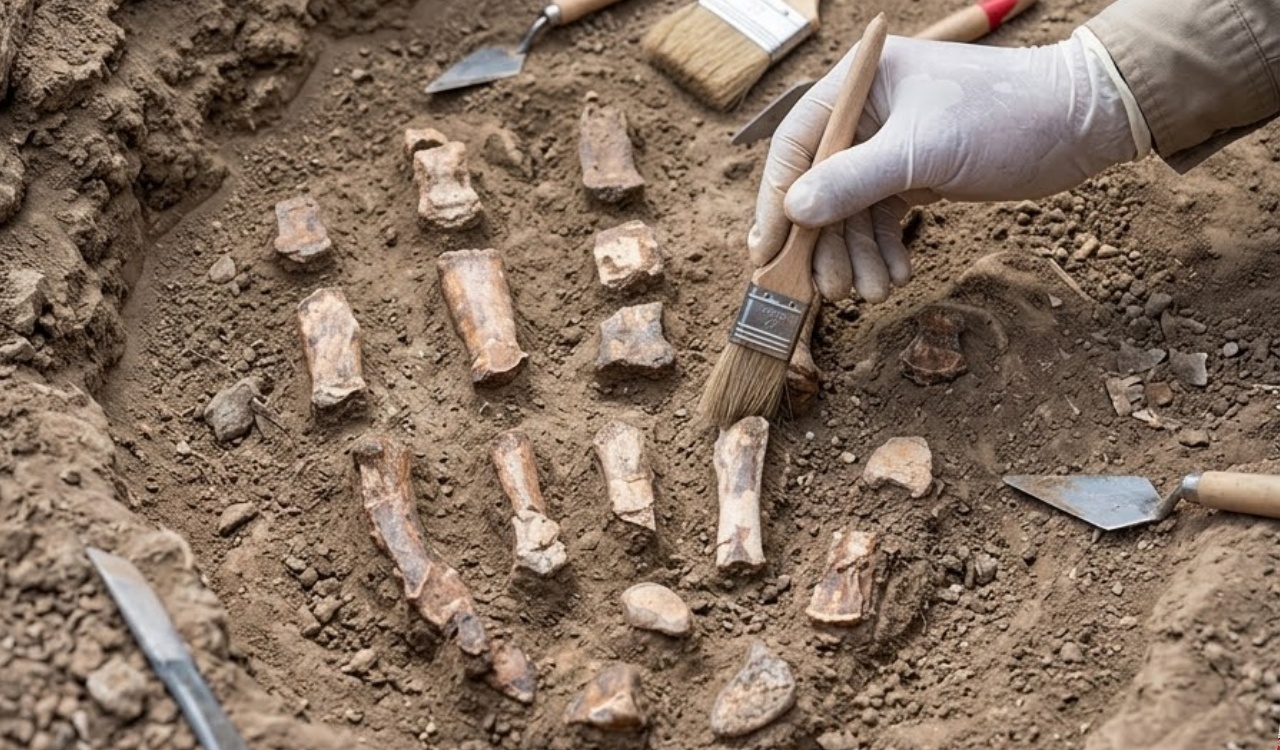
The discovery highlights dietary and behavioral divergence: while Homo specialized in meat and advanced tool cultures, P. boisei combined powerful plant processing with opportunistic tool use. As more postcranial material emerges, these Kenyan bones prove that sophisticated manual dexterity evolved independently — and earlier — than once thought. The “Nutcracker Man” just picked up a hammerstone.