773k-Year-Old Morocco Fossil: Last Common Ancestor of Sapiens, Neanderthals & Denisovans!lh
773,000-Year-Old Moroccan Fossils: The Elusive “Ancestor X” of Modern Humans, Neanderthals, and Denisovans?
In a landmark study published in Nature on January 7, 2026, an international team has unveiled 773,000-year-old hominin fossils from Grotte à Hominidés at Thomas Quarry I, Casablanca, Morocco—potentially the closest fossil evidence yet to the last common ancestor (LCA) of Homo sapiens, Neanderthals, and Denisovans.
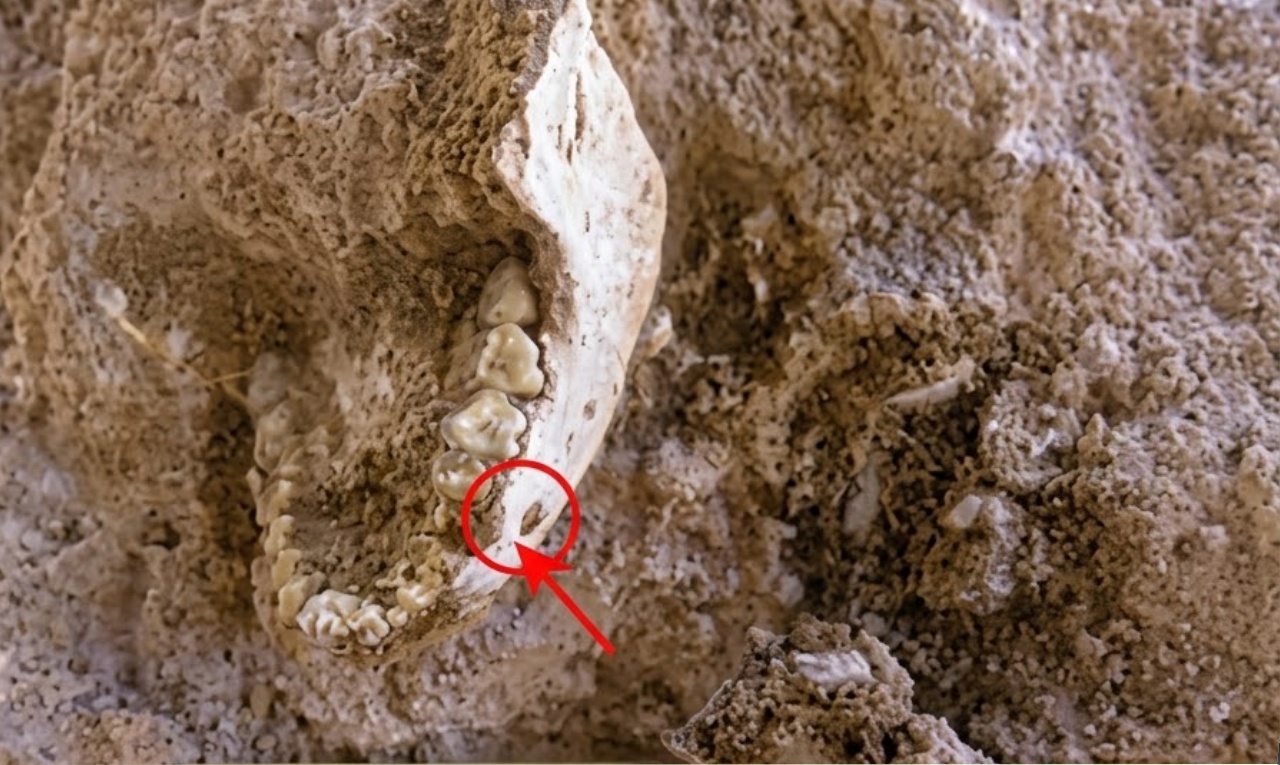
The remains—three partial mandibles (one from a child), teeth, vertebrae, and a femur fragment—were recovered from coastal cave sediments precisely dated via high-resolution magnetostratigraphy to the Matuyama–Brunhes geomagnetic reversal, pinning their age at 773,000 ± 4,000 years. This makes them one of the most securely dated African Pleistocene hominin ᴀssemblages on record.
Anatomically, the fossils display a striking “mosaic” morphology: robust jaws and teeth echoing earlier Homo erectus, yet with derived features foreshadowing later Eurasian and African lineages. They are distinct from both H. erectus and European H. antecessor, positioning these North African hominins as prime candidates for populations near the root of the three sister groups. Genetic estimates place their LCA between 765,000 and 550,000 years ago; the Moroccan finds align with the earlier end of that window.
Lead researcher Jean-Jacques Hublin (Max Planck Insтιтute) notes: “These fossils may be the best candidates we currently have for African populations lying near the root of this shared ancestry.” Co-author Matthew Skinner adds that the combination of traits “aligns with the mosaic morphology we would imagine was present in our last common ancestors.”
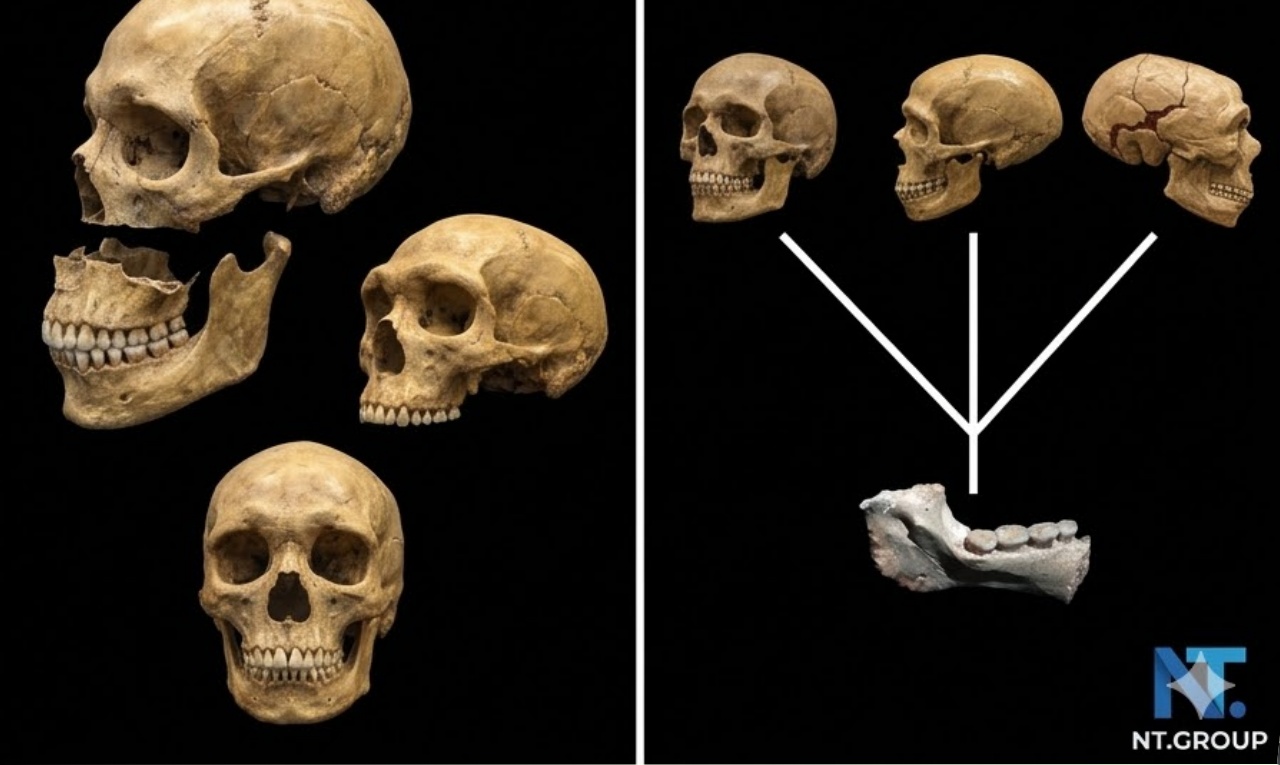
The discovery shifts the geographic spotlight firmly to northwest Africa, reinforcing a deep African origin for our species well before the 300,000-year-old Jebel Irhoud H. sapiens. It also highlights how a single, precisely dated site can illuminate the “elusive figure” long sought by paleoanthropologists.
As further analyses proceed—including potential ancient DNA or protein studies—these Casablanca bones promise to rewrite the opening chapters of our shared evolutionary story, proving once again that the cradle of humanity holds far more secrets than we imagined.