💔 A DAY AFTER SAYING “I LOVE YOU,” 22-MONTH-OLD LETTIE WAS FIGHTING FOR HER LIFE
💔 A DAY AFTER SAYING “I LOVE YOU,” 22-MONTH-OLD LETTIE WAS FIGHTING FOR HER LIFE
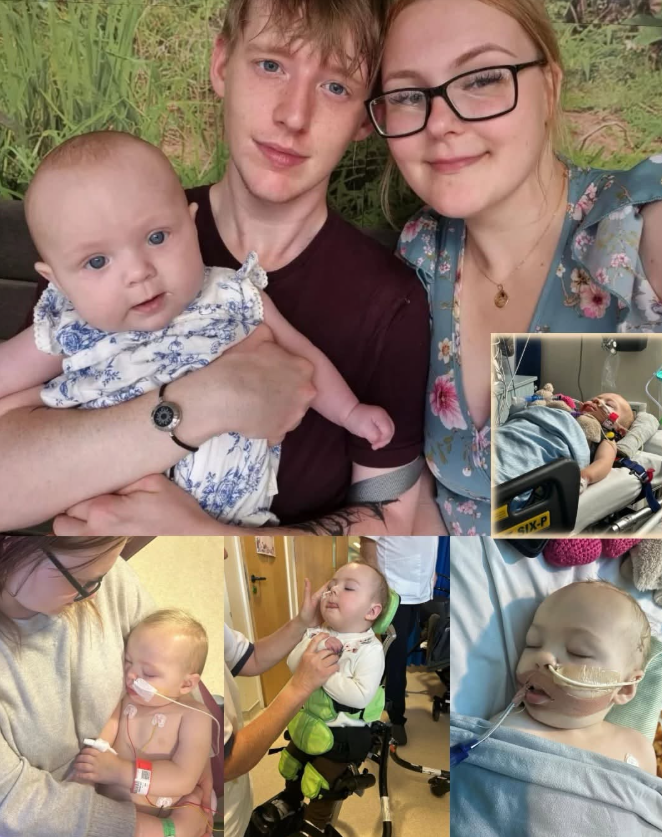
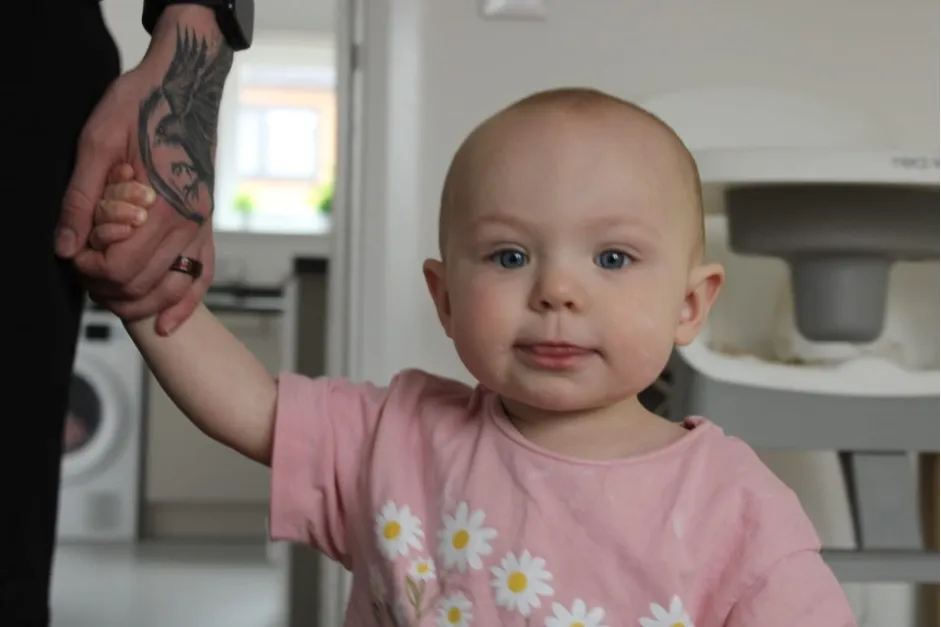
For Jack and Zuzanna, one particular moment with their daughter Lettie was supposed to become one of those childhood memories they would treasure forever.
At just 22 months old, Lettie had looked at the people she loved and said “I love you” for the first time.
She was bright, independent and communicating normally. Nothing about that moment suggested that within a day, her parents would be facing one of the most terrifying experiences of their lives.
The sudden deterioration began with symptoms that initially appeared ordinary. One morning, Lettie refused breakfast and began vomiting less than an hour after waking. Her parents were concerned, but there was little indication of the medical crisis developing inside her body.
Then everything changed.
 Lettie became pale and began struggling to breathe. Her condition deteriorated rapidly, leaving Jack and Zuzanna increasingly frightened.
Zuzanna sensed that something was terribly wrong. Jack later recalled that she told him she had an overwhelming feeling they might lose their daughter.
Not long afterward, Lettie suddenly became rigid.
Jack described the heartbreaking transformation as though his daughter’s little body had “turned to stone.” She remained awake and could cry, but her muscles had become stiff and she appeared almost frozen inside a body that was no longer responding normally.
She eventually collapsed into her father’s arms.
An ambulance rushed Lettie to hospital. Doctors initially suspected a febrile seizure, but her parents remained uneasy as her condition continued to worsen. Her skin began turning purple and mottled, prompting them to push for further investigation.
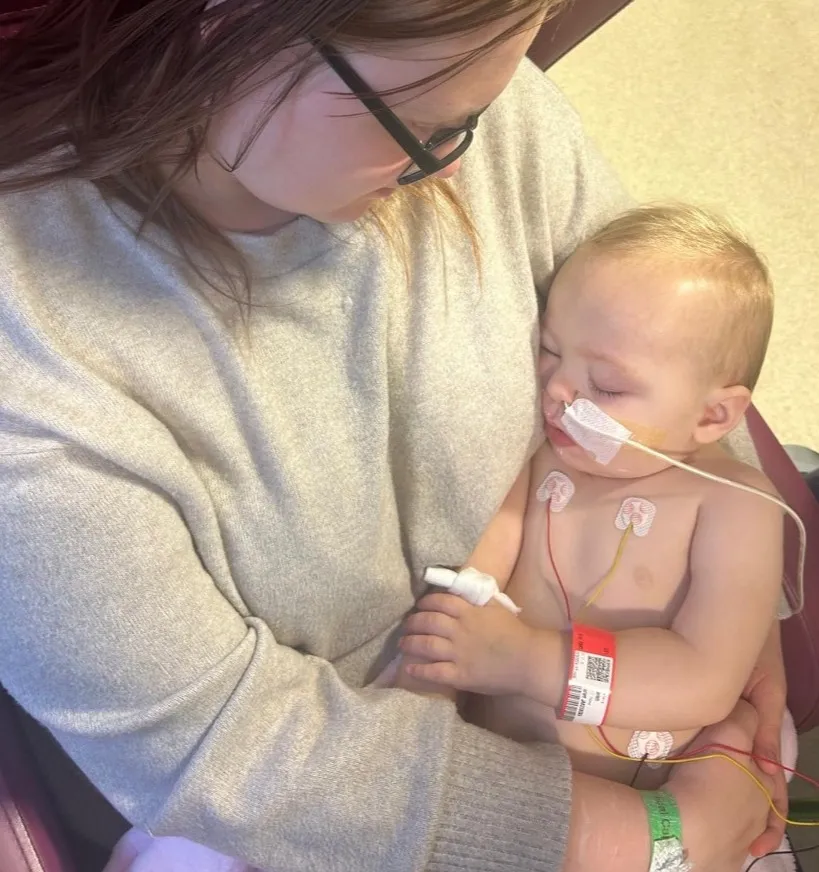 Four days after she was admitted, doctors finally identified the cause: acute necrotising encephalopathy, or ANE.
ANE is a rare and severe neurological disorder that can occur following viral infections. In some cases, an extreme immune response causes widespread inflammation and serious injury to the brain.
Doctors explained that Lettie’s brain stem, basal ganglia and cerebellum had been damaged—areas crucial for movement, muscle control, coordination and other essential neurological functions.
The family was also told that Lettie had Covid, despite having shown no obvious symptoms beforehand. According to the explanation given to her parents, the devastating injury was ᴀssociated not simply with the virus itself, but with the body’s overwhelming immune response to the infection.
For Jack and Zuzanna, the diagnosis was almost impossible to comprehend. They had never heard of ANE and had never imagined that an apparently routine infection could lead to such a devastating neurological emergency.
Then came the conversation every parent dreads.
 Doctors told them Lettie had approximately a 50% chance of surviving.
Suddenly, the little girl who had said “I love you” for the first time just a day earlier was fighting for her life.
Her parents could do little except remain by her side, hoping, praying and waiting for the next sign that their daughter might make it through.
For Jack and Zuzanna, that simple “I love you” became more than a precious milestone.
It became a memory they would carry with them through the most frightening days of their lives. 🙏💗