Viral Peтιтion Explodes: Full Pardon Demanded for Karmelo Anthony as Texas Gov-Elect Faces Firestorm Over “Unfair” 35-Year Murder Sentence.hl
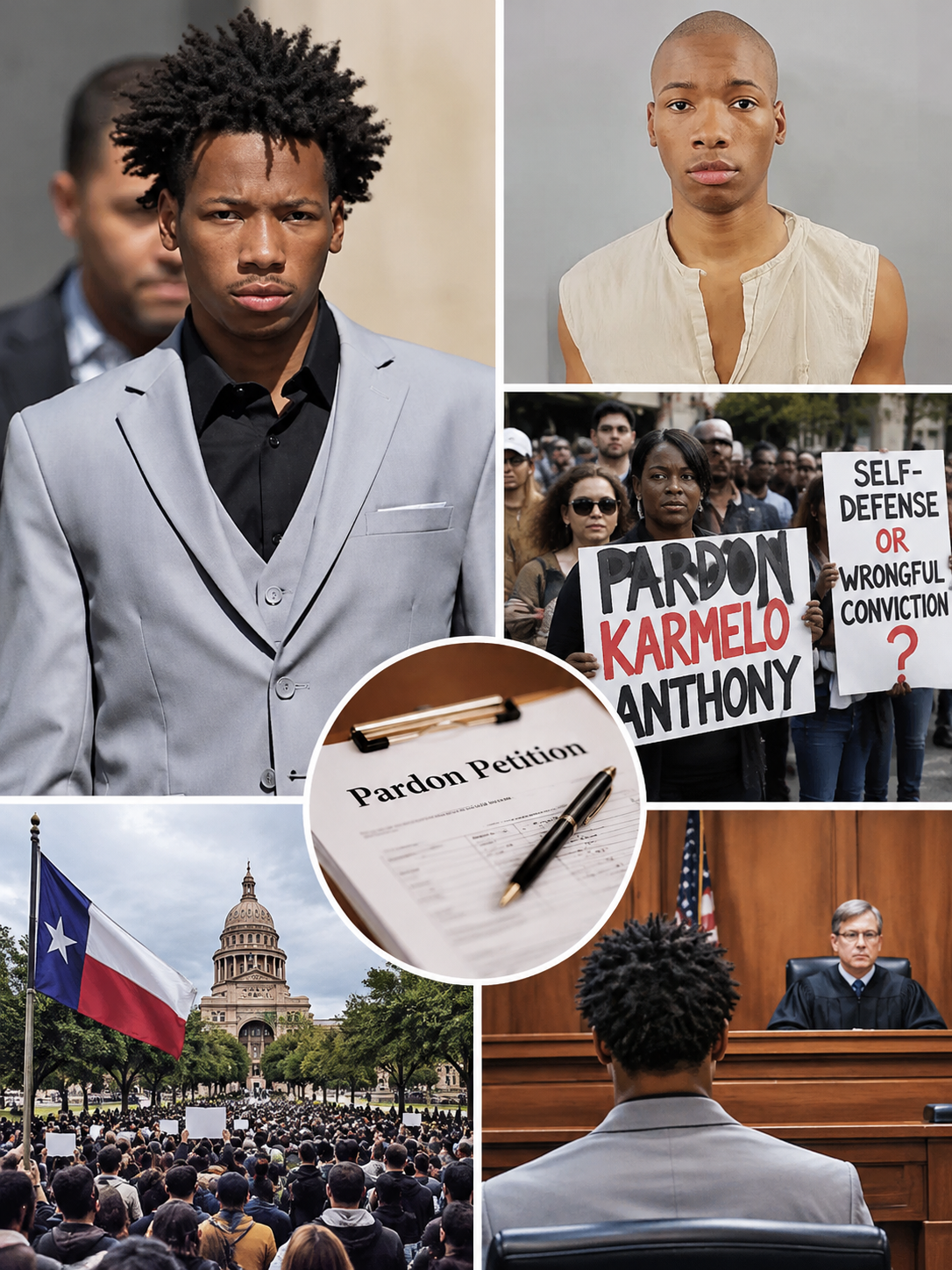
A firestorm is erupting across Texas and beyond. Just weeks after Democrat Gina Hinojosa’s stunning election victory ousting longtime Republican Gov. Greg Abbott, a surging Change.org peтιтion is demanding she grant full executive clemency—or at minimum a commutation—to 19-year-old Karmelo Sincere Anthony upon taking office January 19, 2027. Organized by family advocate Tiffney Billions and launched November 6, 2026, the formal plea has rocketed past 6,000 verified signatures (over 5,500 by November 21), calling the 35-year murder sentence a miscarriage of justice that cries out for mercy and review.
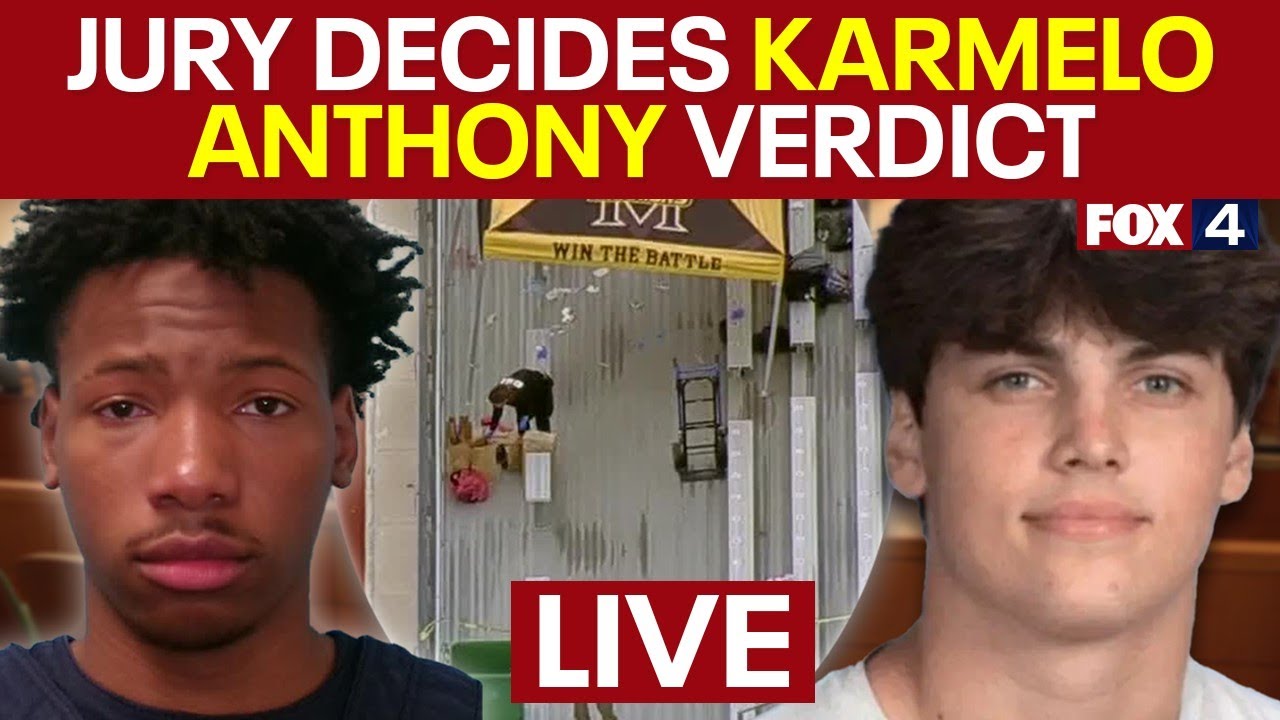
Anthony, then 17 and a standout Frisco Centennial High School student-athlete (track and football captain with a strong GPA, no prior convictions, on track to graduate early), was convicted June 9, 2026, by a Collin County jury of fatally stabbing 17-year-old Austin Metcalf of rival Memorial High during a rain-delayed track meet on April 2, 2025. The confrontation unfolded under Metcalf’s team tent: verbal demands that Anthony leave escalated; witnesses said Metcalf (physically larger, standing over the seated Anthony) pushed him. Anthony pulled a knife from his backpack, stabbed once in the chest, and fled—then immediately sought out police, crying hysterically, insisting “I was protecting myself” and “He put his hands on me, I told him not to.” Metcalf died shortly after. Jurors rejected self-defense and “sudden pᴀssion” claims after roughly three hours, handing down 35 years (parole eligible after 17.5).
The peтιтion doesn’t ignore the tragedy. It frames the death as devastating while insisting the state failed its duty of a consтιтutionally fair trial. Key grievances: a pretrial “gentleman’s agreement” excluding character evidence about both teens allegedly chilled Anthony’s right to testify; courtroom restrictions; questions of judicial impartiality (original judge later recused from post-trial matters); and the harsh sentence for a minor. A new-trial motion highlighting these was denied in August 2026 by visiting Judge Michael Chitty; the appeal proceeds separately in the Fifth Court of Appeals. Later-unsealed records painted complicated portraits—Anthony’s prior texts and altercations, Metcalf’s disciplinary history including alleged racial issues—fueling claims the jury never saw the full context.
“We, the undersigned… respectfully peтιтion you to make the case of Karmelo Sincere Anthony a priority for executive clemency,” the document states, addressed directly to Hinojosa. It urges her administration to review trial and appellate records, request Texas Board of Pardons and Paroles consideration (required under Texas law for most pardons), give “full and fair consideration” to a complete pardon, or pursue commutation if not. Clemency, it argues, exists precisely because systems are fallible—especially for controversial, youth-involved cases. “Your historic election… presents an opportunity to restore public confidence… with independence, courage, and fairness.” The review must stay free of political pressure and not prejudice the pending appeal.
This is no fringe outcry. The case has polarized the nation along racial lines (Anthony Black, Metcalf white), sparked doxxing, swattings, death threats against both families, and mᴀssive fundraisers. Supporters cast it as self-defense against a larger aggressor in a moment of fear; critics see unjustified lethal force after provocation. Prosecutors called it “murder plain and simple.” Yet youth, clean record, athletic promise, and procedural flags make the 35-year term a flashpoint for debates on juvenile justice, self-defense standards, and clemency’s role.
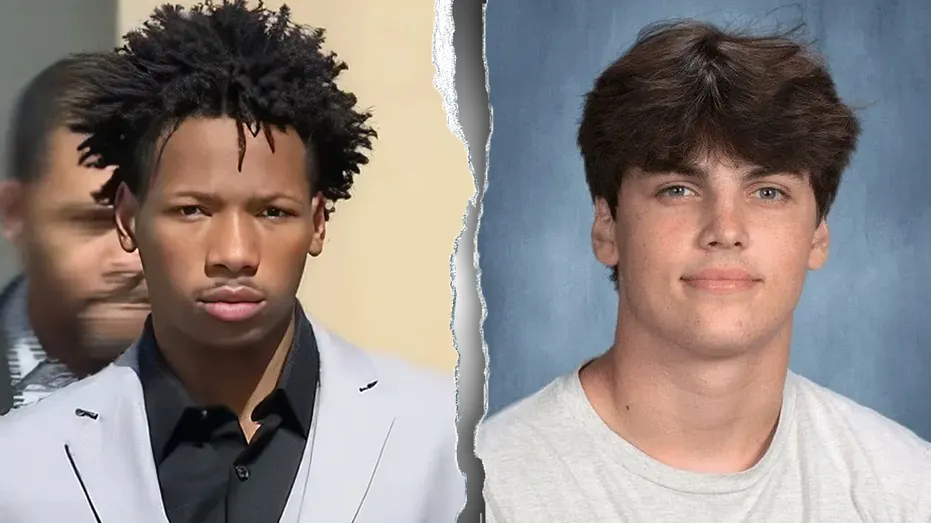
Hinojosa has not publicly responded. In Texas, governors rarely grant full pardons without Board recommendation, and political risks loom large in a high-profile killing. Still, the peтιтion’s momentum—media coverage, activist amplification, and signatures climbing daily—forces the question: When a teenager’s life hangs in the balance amid disputed facts and trial controversies, does justice demand only the jury’s word, or also executive scrutiny and potential mercy?
Anthony sits in the Wallace Pack Unit. His future, Metcalf’s irreversible loss, and Texas’s commitment to equal justice under a new governor now collide. The peтιтion’s message is clear and sharp: Examine the record. Consider the youth. Temper punishment with fairness. A full pardon may be the ultimate test of whether the system can correct course—or whether another young life remains defined solely by one fatal moment under a rainy tent. The clock to January ticks. Will Hinojosa listen?