Two syringes, a closed curtain, and the protocol that had no next page

Pentobarbital is a barbiturate. In a high enough intravenous dose it depresses the brain stem until breathing stops. Tennessee uses it alone. The working theory among physicians who have reviewed the Pike filings is that the dose never became a blood-level dose. Joel Zivot, an anesthesiologist and intensive-care physician who consulted on the case before the attempt, wrote that Pike has small veins, that her arms turned purple, and that blistering at the sites is what happens when concentrated drug runs into tissue. Lawyers used the plainer phrase: the lines were not in the vein, or the vein blew, and nobody on the team recognized it in time. If that account holds, the execution did not fail because the drug was weak. It failed because the drug was in the wrong place, burning the arm while the lungs kept working.

That distinction matters. Other American executions have been called off because no vein could be found. Pike’s is being described by researchers at the Death Penalty Information Center as the first in which the drugs were given and the person survived. A second dose, required by the written protocol when the first does not kill, did not change the outcome. The department has said the protocol allows nothing further. There is no third syringe, no cut-down, no switch to the electric chair once the injection has started, no physician in the chamber whose job is resuscitation. The same state that had spent the day racing the midnight warrant, after the Supreme Court restored the execution, spent the night calling an ambulance.

Pike’s team had tried to make this exact failure predictable. In June 2026 they argued that thrombocytosis would complicate placement and that a painful extravasation was likely. They also argued that an all-male team posed a separate trauma risk given her history. Courts were not persuaded. A special master declined to stop the warrant. The state supreme court rejected the Eighth Amendment claim. Federal courts and the governor declined to intervene. After the fact, those filings read like a script. Attorneys told USA Today they took no pleasure in being right about difficult access, blown veins, possible degradation of the drug, and the absence of emergency care when the procedure went wrong. The drug’s condition is a separate, still open question. Compounded or stored pentobarbital can lose potency. Officials have not released batch records.
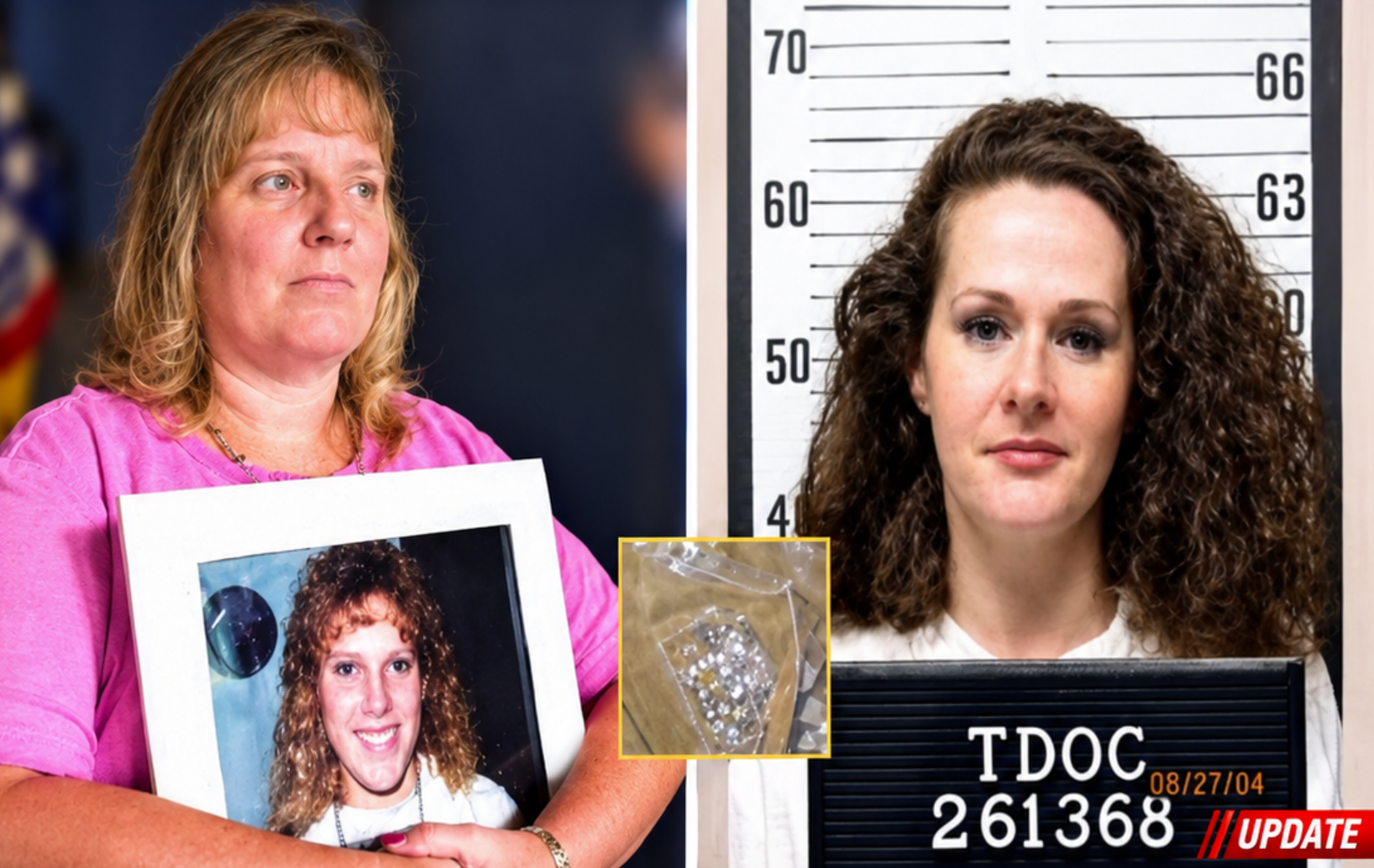
The medical aftermath is its own legal problem. Once Pike left Riverbend she became a patient. Filings say she is being treated for the effects of the drug, including the arm injuries, and that she is dependent on a ventilator. Her lawyers have asked courts to preserve every record, every syringe, every line, and every video. A status conference on that motion was set for October 7. They are also seeking commutation, arguing that a second attempt would be cruel and unusual after what they call chemical torture. The state has not said whether a surviving prisoner can be returned to the gurney. Lee’s pause covers the rest of 2026. It does not vacate the sentence. The protocol, as written, ended when the second syringe was empty. The woman did not.
Source: New York Post