Tomb of Pharaoh Thutmose II: First Royal Burial Found Since Tutankhamun in the Valley of the Kings Region!lh
In a historic announcement on February 18, 2025, Egypt’s Ministry of Tourism and Antiquities revealed the discovery of the long-lost tomb of Pharaoh Thutmose II (r. ca. 1493–1479 BCE), marking the first pharaoh’s tomb unearthed since Howard Carter’s 1922 find of Tutankhamun—nearly 103 years later.
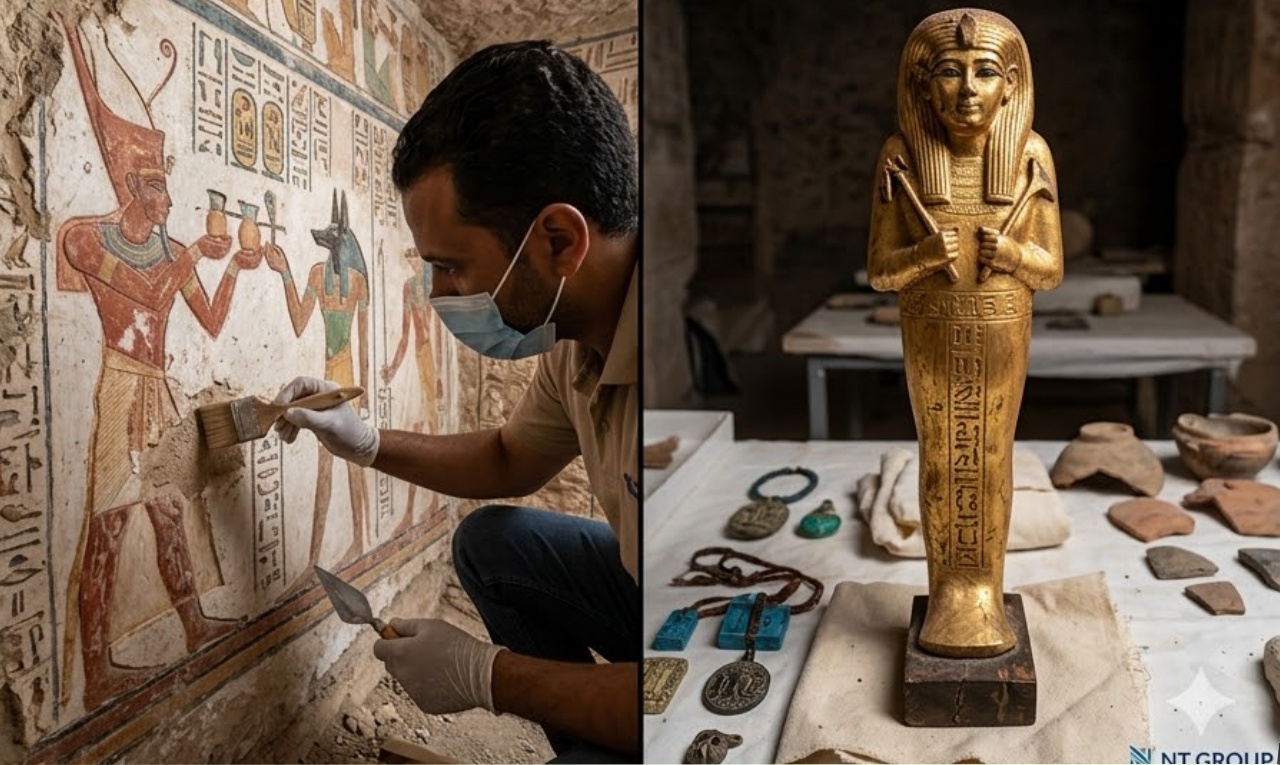
Led by British archaeologist Piers Litherland and an Egyptian-British team, the tomb (designated C4) lies in the remote Western Wadis, approximately 2.4 km west of the main Valley of the Kings near Luxor. Initially mistaken for a royal woman’s burial due to its proximity to Hatshepsut’s tomb and the wives of Thutmose III, excavations revealed kingly decorations: a starry ceiling, khekher frieze, and fragments of the Amduat funerary text reserved exclusively for pharaohs.
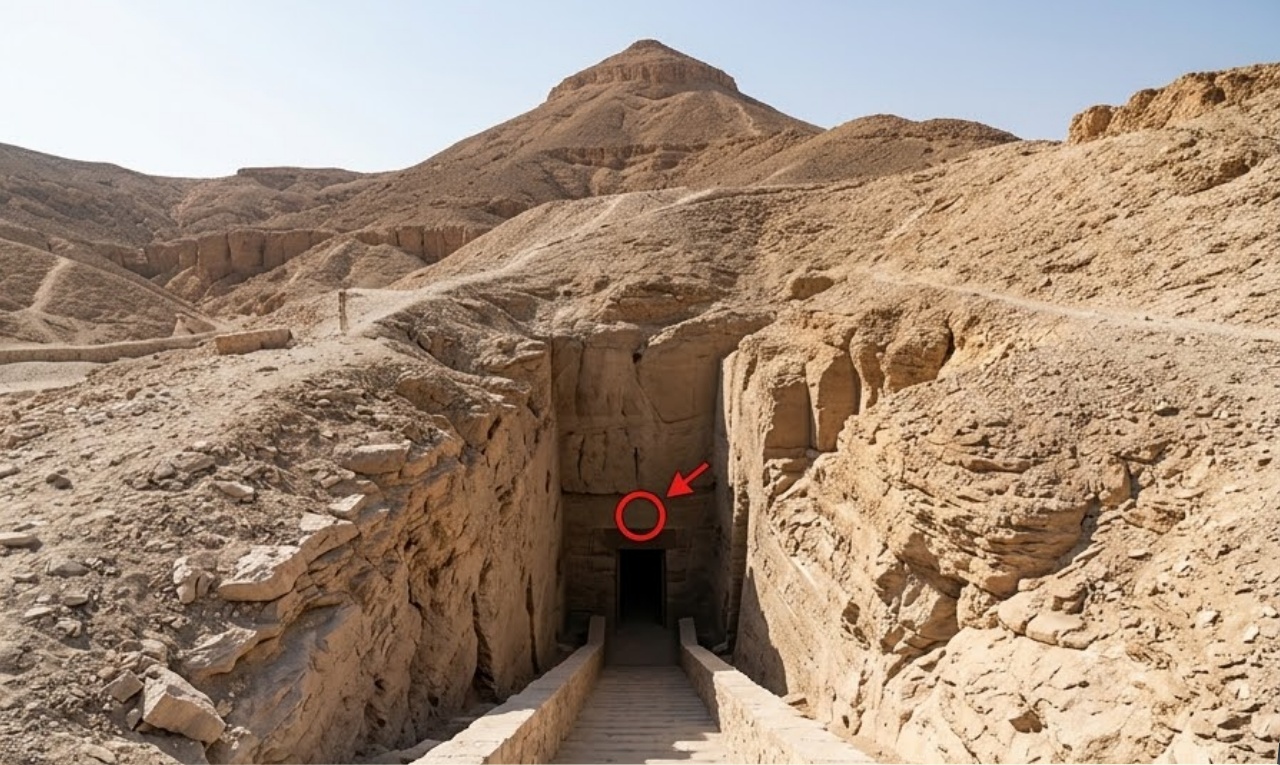
Definitive proof came from alabaster jar fragments inscribed with Thutmose II’s name as the “deceased king,” alongside references to his wife and successor, Hatshepsut. The rock-cut tomb—two corridors and four chambers—had been repeatedly flooded and deliberately emptied in antiquity, likely just years after the pharaoh’s death. No mummy was present; Thutmose II’s remains were recovered in the 1881 Royal Cache at Deir el-Bahri.
“This is the first royal tomb discovered since Tutankhamun’s,” declared Egypt’s Minister of Tourism and Antiquities. The find completes the known burial roster for the early 18th Dynasty and suggests the Western Wadis may hold the original tombs of earlier rulers such as Thutmose I and AmenH๏τep I.
As ongoing work explores the possibility of a second, intact chamber hidden beneath rubble, the discovery promises to illuminate the hidden geography of New Kingdom royal necropoleis and the fate of one of Egypt’s lesser-known but pivotal pharaohs. After more than a century, the Valley of the Kings has yielded its next royal secret.