The Newborn Baby Who Could Barely Breathe
Liam’s Battle With Congenital Diaphragmatic Hernia
When little Liam was born, his parents expected to hear the familiar sound of a newborn’s first cry.
They imagined holding him close, looking into his tiny face, and welcoming him into a world they had spent months preparing for.
But those first moments were very different from what they had imagined.
Almost immediately after delivery, doctors noticed that Liam was struggling to breathe.
His chest moved rapidly, and he appeared to be working extremely hard just to draw air into his lungs.
His skin color and breathing pattern raised serious concerns among the medical staff.
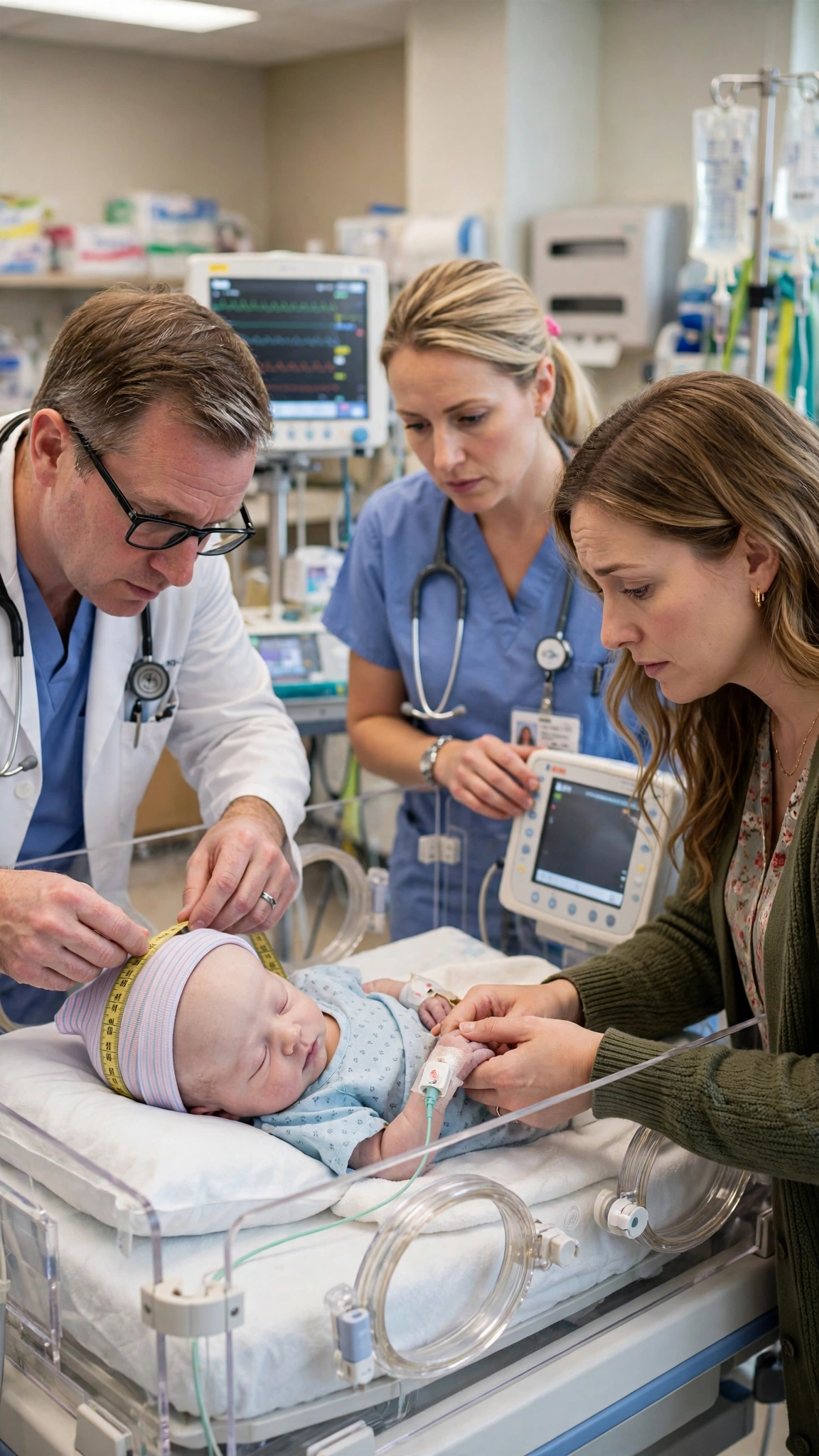
The neonatal team quickly began emergency treatment and transferred him to the Neonatal Intensive Care Unit (NICU).
For his parents, the happiness of welcoming their newborn was suddenly replaced by fear and uncertainty.
They knew their baby needed urgent medical attention, but they had no idea how serious his condition would turn out to be.
The Medical Emergency Behind His Breathing Difficulties
Doctors began evaluating Liam immediately.
They ᴀssessed his respiratory function, oxygen levels, heart rate, and circulation.
Chest imaging was performed to determine whether his lungs and chest cavity had developed normally.
The examinations revealed that Liam had a congenital condition known as Congenital Diaphragmatic Hernia (CDH).
This is a rare birth defect in which the diaphragm does not develop completely during pregnancy.
The diaphragm is a large, dome-shaped muscle that separates the chest cavity from the abdominal cavity. It also plays an essential role in normal breathing.
When an opening develops in the diaphragm, abdominal organs can move upward into the chest.
Depending on the location and size of the defect, these organs may include the stomach, intestines, spleen, or liver.
The displaced organs occupy space that would normally be used by the developing lungs.
As a result, the lungs may not develop to their normal size.
This complication is called pulmonary hypoplasia.
In severe cases, the underdeveloped lungs cannot provide enough oxygen to support the baby’s body without intensive medical ᴀssistance.
For Liam, the condition had significantly affected his lung development, making his breathing extremely difficult from the moment he was born.
Why Congenital Diaphragmatic Hernia Can Be So Dangerous
Congenital diaphragmatic hernia is more than a simple opening in the diaphragm.
The greatest medical challenges often come from the effects the displaced abdominal organs have on the developing lungs and pulmonary blood vessels.
When the lungs are underdeveloped, the blood vessels within them may also be abnormally developed.
This can lead to pulmonary hypertension, a condition in which blood pressure in the arteries supplying the lungs becomes dangerously elevated.
When pulmonary hypertension occurs, the heart may struggle to pump blood through the lungs effectively.
This can interfere with oxygen delivery throughout the body.
The combination of underdeveloped lungs and abnormal pulmonary circulation makes severe CDH a potentially life-threatening condition.
The severity varies considerably between babies.
Some newborns require only limited respiratory support, while others need advanced intensive care, prolonged ventilation, and specialized treatment.
In Liam’s case, doctors were particularly concerned about his limited lung capacity and his ability to maintain adequate oxygen levels.
Emergency Treatment in the Neonatal Intensive Care Unit
Because Liam could not breathe effectively on his own, the medical team provided specialized respiratory support.
He was intubated, allowing a breathing tube to deliver air and oxygen directly into his lungs through a mechanical ventilator.
Doctors continuously monitored his oxygen saturation, blood gases, heart rate, and blood pressure.
They also ᴀssessed his circulation and cardiac function because severe CDH can place considerable stress on the heart.
In some cases, babies with particularly severe respiratory and cardiovascular complications may require advanced treatments, including inhaled nitric oxide or extracorporeal membrane oxygenation (ECMO), depending on their clinical condition and the resources available.
These treatments are not necessary for every baby with CDH, but they may be considered in selected critically ill newborns.
For Liam, every adjustment to his respiratory support was carefully managed by the neonatal team.
The doctors needed to maintain adequate oxygen delivery while avoiding excessive pressure that could further injure his fragile lungs.
His parents watched the medical staff work around him, trying to understand the equipment and the many numbers displayed on the monitors.
The machines were helping their baby perform one of the most basic functions of life: breathing.
The Decision to Repair the Diaphragm
After Liam’s condition had been stabilized as much as possible, doctors began preparing for surgical treatment.
The primary purpose of surgery is to return the abdominal organs to their proper position and close the opening in the diaphragm.
During the operation, pediatric surgeons carefully move the displaced organs out of the chest cavity.
They then repair the defect using the baby’s own tissue when possible or a surgical patch when the opening is too large for direct closure.
The timing of surgery is important.
Unlike some other newborn surgical emergencies, congenital diaphragmatic hernia is generally not repaired immediately after birth while the baby remains unstable.
Doctors first focus on improving respiratory function and stabilizing circulation.
Only when the baby’s condition is sufficiently controlled do they proceed with surgical repair.
For Liam, the operation represented an important step in his treatment.
However, his doctors explained that surgery could repair the diaphragm but could not instantly restore the normal development of his lungs.
He would still need time, specialized respiratory care, and close medical supervision.
The Challenges That May Continue After Surgery
Recovery from congenital diaphragmatic hernia can be complex.
Some babies gradually improve their breathing and are eventually able to leave the hospital.
Others experience prolonged respiratory difficulties because their lungs remain smaller and less developed than normal.
Depending on the severity of the condition, long-term complications may include:
- Chronic respiratory problems and reduced lung function.
- Pulmonary hypertension requiring continued monitoring.
- Gastroesophageal reflux and feeding difficulties.
- Poor weight gain and nutritional challenges.
- Developmental delays in some children.
- Recurrence of the diaphragmatic hernia after surgical repair.
Because these complications may appear at different stages of childhood, long-term follow-up is essential.
Children who survive severe CDH may need ongoing care from pediatric respiratory specialists, cardiologists, surgeons, nutritionists, and developmental professionals.
For Liam, recovery would involve more than simply healing from an operation.
His medical team would need to monitor his lungs, heart, feeding ability, growth, and overall development.
A Family Waiting for Every Small Improvement
While doctors concentrated on keeping Liam stable, his parents faced an emotional journey of their own.
They spent long hours near the NICU, waiting for medical updates and hoping for encouraging news.
The hospital room was filled with equipment that seemed overwhelming at first.
There were monitors displaying his heart rate, machines supporting his breathing, and medical lines carefully connected to his tiny body.
His mother often stood beside his bed, gently touching his hand when the medical team allowed it.
She whispered to him, telling him how much she loved him and how eagerly the family was waiting to take him home.
His father tried to remain strong, even when he was frightened by the uncertainty surrounding his son’s future.
Every change in Liam’s condition mattered.
A stable oxygen level, an improvement in circulation, or a successful adjustment to respiratory support could bring a little more hope to the family.
They learned that recovery would not necessarily happen quickly.
Instead, it would be measured through many small steps and careful medical decisions.
A Childhood That Began in the Hospital
Most newborns spend their first days surrounded by family members, soft blankets, and the ordinary sounds of a home welcoming a new baby.
Liam’s beginning was very different.
His earliest memories would eventually be shaped by hospital rooms, medical examinations, and the gentle voices of nurses caring for him.
He needed machines to support his breathing and a team of specialists working together to protect his life.
But his parents never saw him as just another patient in the intensive care unit.
To them, he was their son.
They imagined the day they could finally carry him home, place him in his own crib, and watch him grow beyond the walls of the hospital.
They knew that congenital diaphragmatic hernia could create challenges throughout childhood, but they remained committed to giving him every opportunity for the best possible future.
Every Breath Is Precious
Congenital diaphragmatic hernia is a serious condition that can affect a baby’s lungs, heart, and ability to breathe from the moment of birth.
It may require emergency stabilization, advanced respiratory support, surgery, and long-term medical follow-up.
For Liam and his family, the journey began with a frightening medical emergency.
Yet, surrounded by experienced doctors, dedicated nurses, and the unconditional love of his parents, he continued receiving the care he needed.
His first days were not filled with toys, nursery decorations, or peaceful afternoons at home.
They were filled with medical equipment, careful examinations, and people working tirelessly to help him breathe.
His parents understood that the road ahead might be long.
But every heartbeat, every moment of stability, and every precious breath reminded them why they continued to hope.
Liam was more than a medical condition.
He was a little boy whose life had only just begun, and whose family was determined to stand beside him through every step of the journey.