PART 2: THE BANKER THOUGHT HE HAD WON — UNTIL THE LAWYER OPENED THE ORIGINAL DEED AND REVEALED A SECRET NOBODY EXPECTED
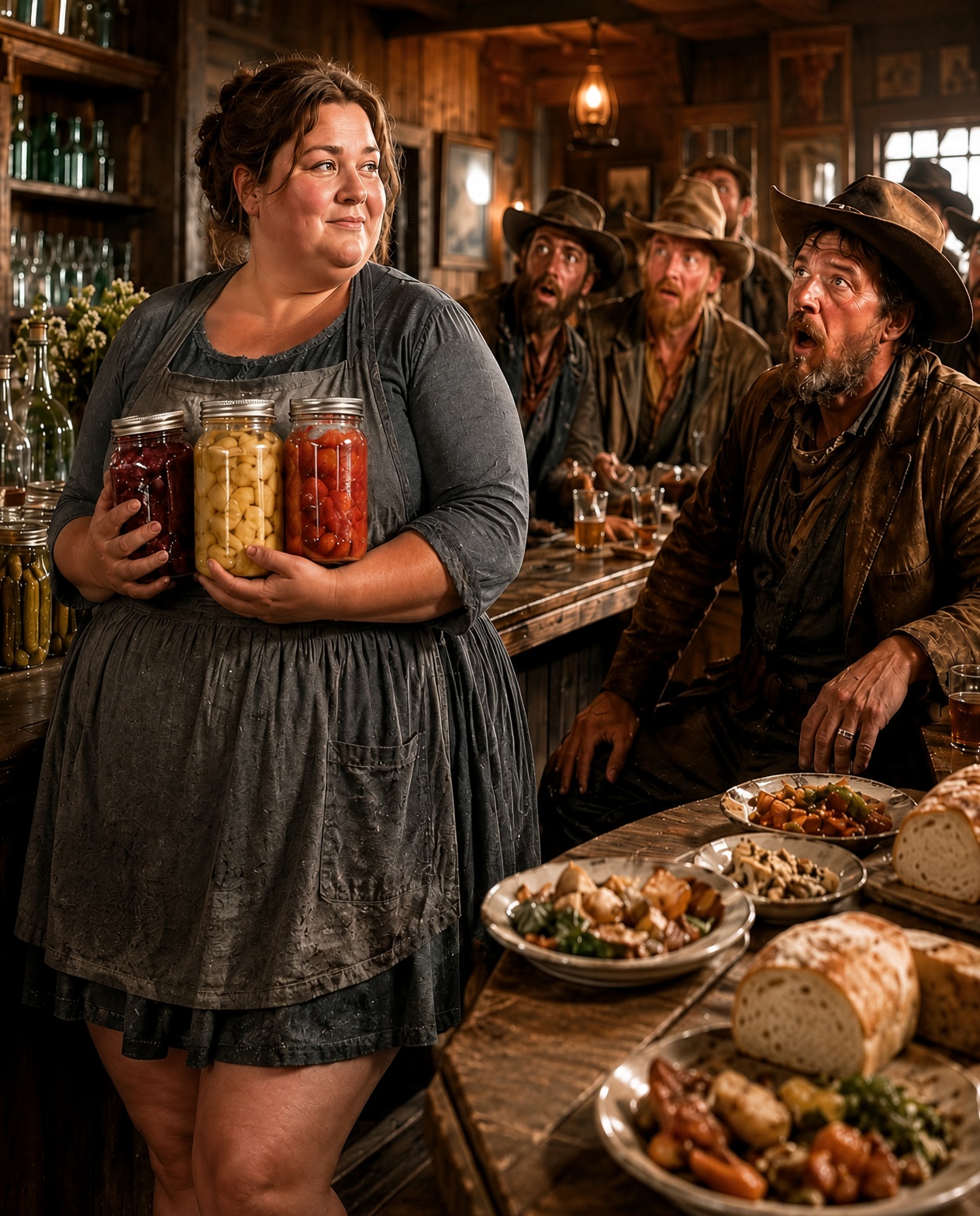
PART 2: THE BANKER THOUGHT HE HAD WON — UNTIL THE LAWYER OPENED THE ORIGINAL DEED AND REVEALED A SECRET NOBODY EXPECTED
The room went silent.
Aldis Fitch stared at the old lawyer standing beside William Carter.
The lawyer’s name was Samuel Whitaker. He had practiced property law for nearly forty years and had a reputation for remembering every document he had ever signed.
He placed the original deed on the table.
“Mr. Fitch, I suggest you read this carefully.”
Fitch barely glanced at it.
“An old piece of paper doesn’t change a legal foreclosure.”
“You’re correct,” Whitaker replied. “But an old piece of paper proving that your bank never owned the entire property certainly does.”
He opened the document.
The deed had been recorded twenty-three years earlier. William’s father, Thomas Carter, had transferred a quarter ownership interest in the property to Judge Reginald Holt in exchange for financing the construction of the original well.
That interest had never been sold.
Never surrendered.
And never legally transferred to William alone.
Fitch’s expression тιԍнтened.
“Judge Holt is no longer involved in this business.”
“That is irrelevant. His ownership interest pᴀssed into a trust after his retirement.”
William leaned forward.
“So the bank cannot seize the entire building?”
“Not without accounting for the missing ownership interest and following the proper legal process.”
For the first time, Fitch looked uncertain.
But then he smiled.
“Interesting. However, Mr. Carter, you still owe the bank money. A defective foreclosure doesn’t erase your debt.”
William lowered his eyes.
He knew Fitch was right.
The original deed might delay the seizure, but it wouldn’t save the business permanently.
Then Eleanor stepped forward.
“How much is still owed?”
Fitch turned toward her.
“That’s none of your concern.”
“It became my concern when you threatened to throw an entire community out of the only place where they can get a decent supper.”
Fitch laughed.
“You’re a cook, Mrs. Hayes. Leave financial matters to men who understand them.”
Eleanor calmly wiped her hands on her apron.
“I’ve managed a boarding house, raised children, buried a husband, and rebuilt a kitchen with almost nothing. I understand exactly what happens when a man mistakes desperation for weakness.”
Nobody laughed.
William looked at her with something close to admiration.
Then the door opened.
Sheriff Dale Morrow entered, followed by two men carrying a wooden box.
“Mr. Fitch,” the sheriff said, “I believe you’ll want to explain what’s inside this.”
Fitch’s face changed.
The box contained copies of water-right agreements, payment receipts, and several letters bearing his signature.
Harold Briggs stood behind the sheriff.
“I found them in the old county records office,” Harold explained. “Your bank has been buying up unpaid properties near the underground spring for years. Then you’ve been selling water access to ranchers at prices nobody can afford.”
Whitaker examined the documents.
His expression became increasingly serious.
“This is not simply a foreclosure dispute.”
He looked at Fitch.
“These agreements suggest deliberate concealment of the property’s water rights.”
Fitch rose abruptly.
“Those papers are stolen!”
“Then you’ll have an opportunity to explain that under oath,” the sheriff replied.
But Fitch wasn’t finished.
He pointed at William.
“Your father knew about that spring. He deliberately kept its value hidden from the bank. You’re no innocent victim, Carter.”
William looked stunned.
Eleanor noticed something in his expression.
“What is it, William?”
He hesitated.
Then he reached into his satchel and removed a folded letter.
“My father left this in his desk. I found it while searching for the original deed.”
He unfolded it.
The handwriting was unmistakably Thomas Carter’s.
The letter revealed that the spring beneath the property had been discovered long before the bank issued its first loan. Thomas had refused to sell the water rights because several neighboring farms depended on that underground source.
He had made a private agreement with Judge Holt to protect the spring from commercial exploitation.
But the most shocking line was at the bottom.
If the bank ever attempts to take the property, find the woman who understands the value of feeding people before counting profits.
William read the sentence twice.
Then he looked at Eleanor.
She had no idea why Thomas Carter had written that.
Until Samuel Whitaker noticed a second sheet attached to the back.
It contained a name.
Margaret Hayes.
Eleanor’s mother.
Her breath caught.
“That’s my mother’s name.”
Whitaker looked up.
“Did your mother ever work in this town?”
Eleanor shook her head slowly.
“No. She died when I was young. But she once told me that she had helped a Montana family establish a community kitchen during the drought of 1869.”
Harold Briggs stepped closer.
“Your mother was the woman who organized food distribution when the spring ran low. Thomas Carter and Judge Holt worked with her.”
Eleanor stared at the letter.
Suddenly, the old kitchen, the neglected well, and the words Thomas Carter had written began to make sense.
Her mother had helped protect that spring because she believed water and food should never become weapons against poor families.
And now Eleanor had unknowingly walked into the same fight.
Fitch grabbed his hat.
“This is absurd. I’ll have this building sealed by tomorrow.”
The sheriff stepped in front of him.
“Not until the documents have been reviewed.”
Fitch’s eyes narrowed.
He looked directly at Eleanor.
“You think you’ve won something, don’t you?”
Eleanor didn’t answer.
Fitch leaned closer.
“Ask your employer what happened to the last person who tried to protect that spring.”
Then he walked out.
William watched him disappear.
“What’s he talking about?”
Harold slowly removed his hat.
“Thomas Carter didn’t die of pneumonia, William.”
The room went still.
“He was poisoned.”
William gripped the edge of the table.
Harold continued.
“And the man who brought him his final cup of coffee was someone he trusted.”
Eleanor looked toward the kitchen.
The stove was still warm.
The supper house was still full of people.
But suddenly, the place felt much more dangerous than it had that morning.
Because somebody in Harlo Creek had helped Aldis Fitch destroy William’s father.
And that person was still walking freely through town.