The Little Girl With a Birthmark Across Her Face
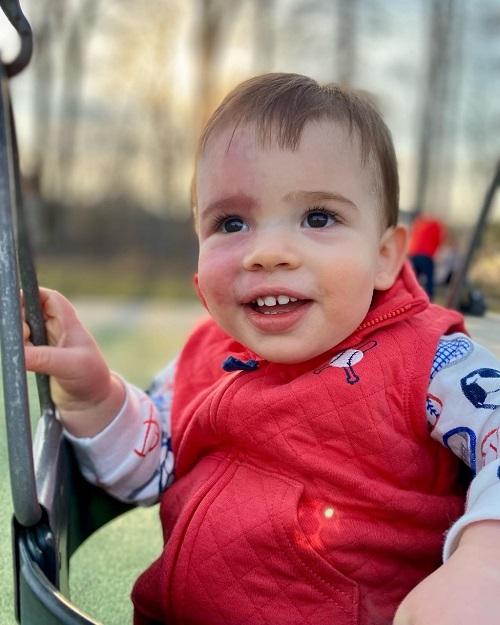
At just three years old, little Emily was living with a rare neurological condition that made her childhood different from that of many other children.
She was born with a large port-wine birthmark covering one side of her face. The reddish-purple mark extended across her forehead and cheek, making it one of the first things people noticed when they looked at her.
But Emily’s condition went beyond what could be seen on her skin.
Doctors had diagnosed her with Sturge-Weber Syndrome, a rare disorder involving abnormal blood vessels that may affect the skin, brain, and eyes.
For Emily, this meant growing up with regular medical examinations and careful monitoring. Abnormal blood vessels around her brain could increase the risk of seizures and other neurological problems. Her eyes also needed attention because the condition can be ᴀssociated with glaucoma, which may threaten vision without appropriate care.
Some days were especially difficult.
Emily sometimes experienced seizures, and her mother learned to recognize when her daughter needed extra attention and medical support. Hospital visits, examinations, and follow-up appointments became familiar parts of their lives.
Whenever Emily became frightened, her mother stayed close.
She would gently brush her daughter’s hair, hold her little hand, and speak softly to reᴀssure her. If Emily felt exhausted after a long appointment, her mother would lift her into her arms and hold her until she felt comfortable again.
Yet Emily’s life was not made up entirely of hospitals and medical concerns.
She was still a curious three-year-old who loved bright colors, playful toys, and the sound of her mother’s voice reading bedtime stories. She enjoyed looking at picture books, pointing at familiar characters, and discovering little things that made her smile.
Her mother tried to make every day feel as normal and joyful as possible. There were toys scattered around the room, favorite stories waiting beside her bed, and warm hugs whenever Emily needed comfort.
The birthmark across her face was part of her appearance, but it was never the whole story of who she was.
Emily was not simply a little girl living with Sturge-Weber Syndrome. She was a daughter who loved being held, a child who enjoyed stories, and a little person with hopes and possibilities still waiting ahead of her.
Her journey would require continued medical care, patience, and support. But she deserved the same opportunities as every other child: to play, to learn, to make friends, and to grow up knowing that she was beautiful and worthy of love.
And every night, as her mother tucked her into bed and kissed her forehead, one thing remained certain: Emily would never have to face her journey without someone holding her hand.
A birthmark may be the first thing people notice, but it should never be the only thing they see.